


The ideas below run from a simple fire pit pad you move with the bowl to a built-in stone ring that stays with the house.
1. Location of Fire Pit

A fire pit pushed to the corner of the deck keeps the center open for moving around and keeps the house at a safe distance.
I like at least 20 feet from any structure, though your local code or the manufacturer may ask for more. Check both before you buy.
Low-hanging branches, awnings, and even a pergola change the math. A gas model with lower BTU output can work under partial cover where wood would be out of the question.
Give yourself 3 feet clear on each side and 6 feet above, minimum, and walk the path you will take with a drink in hand; if you would bump a knee or weave around furniture, the spot is wrong.
Corner placement suits small decks best. You lose a little seating arc but gain the whole middle for a table or a grill.

Protect Your Deck and Patio: 36 inch round fireproof and oil-resistant mat can protect your deck, patio, lawn from embers, hot oil, sauces and food stains, prevent fire risks, reduce the burden of cleaning, perfect for fire pits, grills, fireplaces, etc.

Fun Moments Around the Campfire: If you want to create a welcoming atmosphere in your backyard for gatherings where you can enjoy delicious marshmallows and endless conversations together with your family and friends, the Gas One portable fire pit for camping is the ideal solution!
Protect Your Deck and Patio: 48 inch round fireproof and oil-resistant mat can protect your deck, patio, lawn from embers, hot oil, sauces and food stains, prevent fire risks, reduce the burden of cleaning, perfect for fire pits, grills, fireplaces, etc.
2. Deck Material Considerations
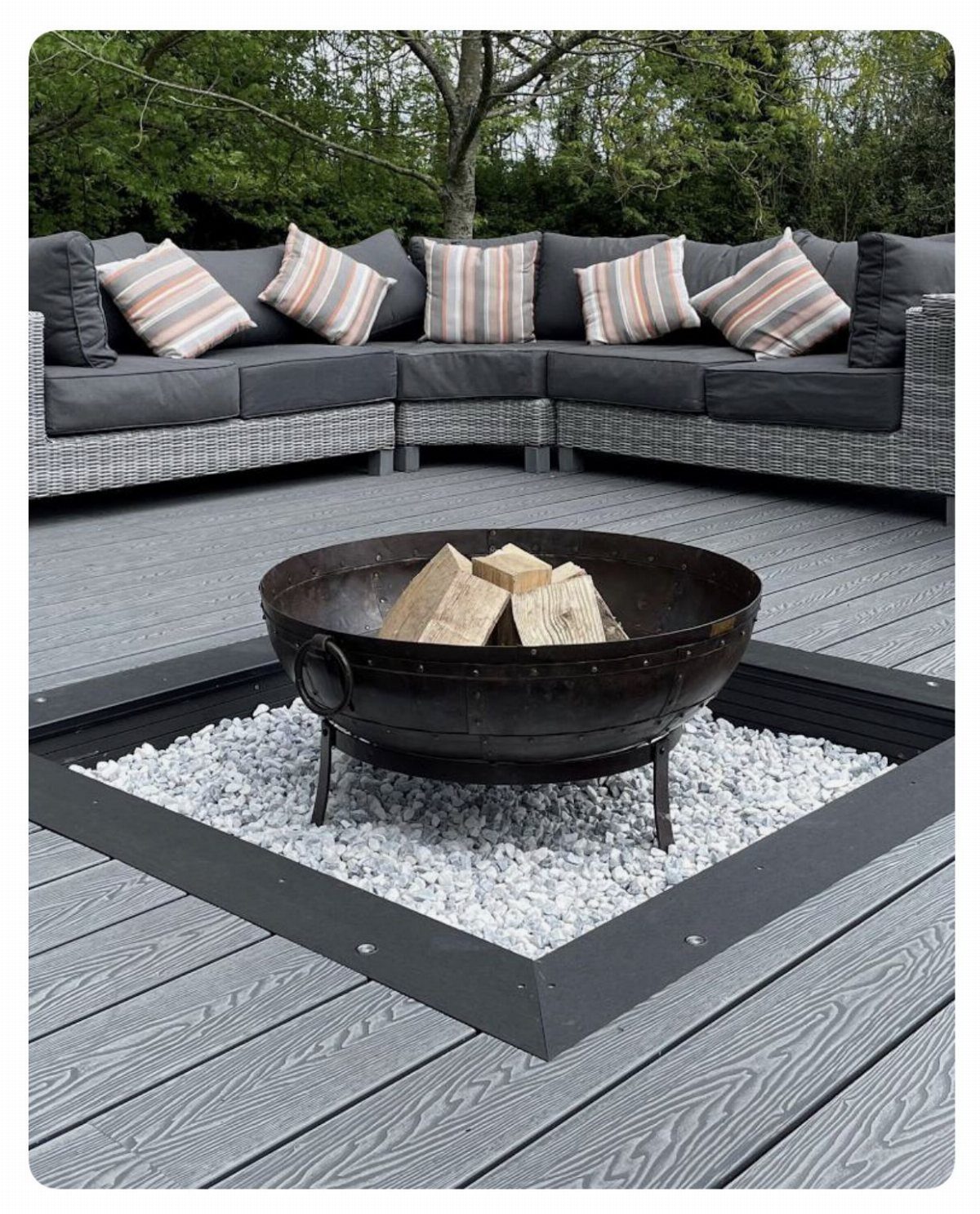
Composite decking like Trex or TimberTech looks clean with a fire pit set into it, but the boards are still combustible; they are wood fiber and plastic pressed together, not stone.
That matters when embers fly or a gas line leaks.
Hardwoods rated for fire resistance, or a composite with a high fire rating, buy you time. The rating you need depends on your local code and whether the pit is gas or wood.
A wood-burning bowl on composite without a barrier below is asking for trouble; I would not do it.
Check the fire rating printed on the sample board or the spec sheet before you commit. The salesperson knows where to find it, and the building inspector will ask.
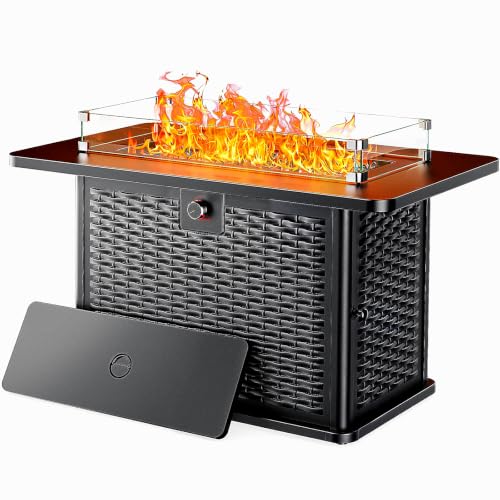
Powerful 60,000 BTU Heating: Enjoy efficient warmth on chilly nights with this high-heat 60,000 BTU output Ciays propane fire pit. The durable 304 stainless steel H-burner creates a denser flame pattern for consistent & effective heating. This gas fire pit will elevate your outdoor experience, reliability and safety.

Wanting a Great Patio Party?: Having a patio party is different from an indoor party. Outdoors you need to consider the coldness and a center of attention to gather everyone. A propane fire pit table can provide the atmosphere needed for a great time!(note:1:use soapy water to check for leaks before use 2:The reminder card contains interface size instructions and interface inspection instructions)

Elegant Ceramic Tabletop: Spacious enough for six people to gather, this 43″ fire pit table creates a cozy outdoor social hub. Its premium four-piece ceramic tabletop is beautiful, durable, and easy to wipe clean, with heat and moisture-resistance. The sleek stone pattern adds a touch of luxury, while the modern design fits seamlessly in your backyard, patio, deck, lawn, or poolside.
3. Gas vs Wood Burning Fire Pits

Gas fire pits can sit directly on a wood or composite deck with the manufacturer’s clearance; most wood-burning models cannot.
That alone settles the choice for a lot of renters and first-time owners who do not want to pour a paver pad or swap out their deck surface.
Wood gives you the snap and smoke that make a fire feel like a fire. Gas gives you a switch, no ash, and no spark patrol.
I keep a gas table on my own small deck because I can light it on a Tuesday night without planning, then shut it off and go to bed.
If you are set on wood, look for a model the manufacturer pre-approves for combustible surfaces; they exist, but they are few, and the base they require adds cost and height. For most weekend projects, gas is the practical path.

VERSATILE BACKYARD & PATIO CENTERPIECE – Ideal for backyard entertaining, garden gatherings, patio relaxation, and outdoor cooking. The compact 18-inch design fits smaller outdoor spaces while providing a welcoming focal point for family and friends. Includes the fire bowl, BBQ cooking grate, spark screen, and fireplace poker for a convenient outdoor fire pit setup.
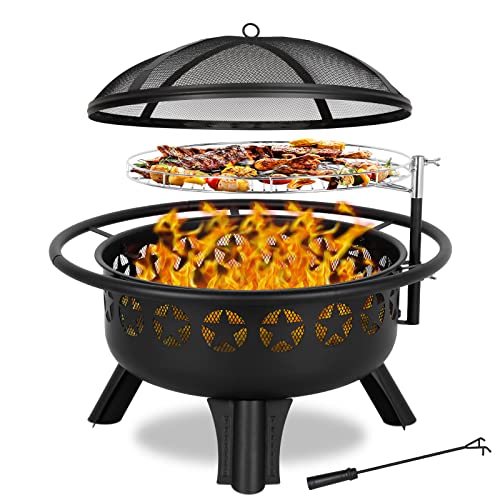
【2 in 1 Outdoor fire pit with grill】: 31” Dia x 24” H, this wood burning fire pit features a multi-functional design ideal for outdoor heating or grilling. The fire pit with cooking grate is designed with an outer ring around the central fire area allowing for easy movement. The creative pentagram vents help increase airflow for the firewood and brings a brighter flame. Air circulation burns longer and vigorously, and a mesh cover can prevent from flying sparks.

[Beautiful & Humanized] The fire pit table comes with 1 grill which disassemble freely. You can barbecue, keep food warm or put the pan to cook on them. The side of the wood-burning fire pit is created with a modern geometric cut-out design that catches firelight for creating fun shadows. The drilled design and log grate promotes airflow and keeps the fire strong.
4. Surrounding the Fire Pit

Stone or brick around the bowl catches what the deck cannot: popping embers, spilled ash, a dropped marshmallow. A gravel-filled cutout lets the pit sit below the deck boards so heat and sparks never reach the wood.
The deck can stay as-is; the cutout works with the framing already there. A fire pit pad, sold for this exact job, sits under the bowl and extends a foot or two in each direction.
Cost runs from cheap to moderate, and you can move it with the pit.
Permanent stone looks better and stays put. I would go that route if the pit is the center of a seating area you use every weekend.
For a portable bowl you store in fall, the pad wins.

Protects Your Floor And Lawn: Charcoal fires can cause irreparable damage to floor and lawn, a fireproof, heat-resistant fire pit mat is perfect for protecting your patio, lawn, composite decking, grass, yard, wood, cement, brick, and decorative stone. It keeps your outdoor floor or deck safe from embers and grease. FIREWESS's pit mats have conducted many lab tests and quality checks before the products leave the factory. They will not tear, curl at the edges or crack due to heat

3-in-1 Fire Pit:Panovue outdoor fire pit can provide inviting warmth for your patio, yard, or garden, also be used as an outdoor BBQ to cook food or as an ice bucket to keep beverages cold. When you enjoy the bonfire, you also get a 32-inch fire pit table to have a coffee for 4-6 people at same time,bigger than others.Panovue wood burning fire pit is also a practical gift for friends and family. Note:BBQ grate not included.Store assembled fire pit in a cool, dry location.

WOOD BURNING OUTDOOR FIRE PIT WITH SPARK SCREEN, BLACK: 22 inch round fire pit designed purely for warmth and cozy ambiance; heavy duty carbon steel construction; mesh spark screen blocks flying embers; 600 degree high temperature rust resistant paint; enjoy cozy evenings under the stars with family and friends
5. Fire Pit Design Ideas

Built-in stone with a curved bench turns the fire pit into the room’s hearth; the deck wraps around it instead of floating beside it.
That integration costs more and takes longer than a drop-in bowl, but it also seats more people in less total space.
The trade is permanence. A gas table you can sell or shift when you move; a stone ring and paver inset stay with the house.
For a first home you may sell soon, I would keep it loose. For the place you plan to stay, built-in seating with storage underneath pays back every summer.
Match the stone color to your siding or your trim, not to the deck boards. The eye reads the pit as architecture, not furniture, and it should talk to the house.

HEAVY-DUTY CONSTRUCTION: Built from durable, high-quality solid iron, this fire pit steel ring insert is both sturdy and long-lasting, providing exceptional durability for your outdoor fire pit, whether used above or below ground. Despite its heavy-duty build, it remains lightweight enough for easy transport, perfect for camping or outdoor gatherings.

Easy Installation: The 8-piece fire pit ring insertion kit is easy to assemble and can be assembled in just a few minutes.Seamless design allows for easy installation and integration into your DIY fire pit project.Fixed with screws, it will not easily fall off during use. Let you have more time to enjoy the joy brought by flames.
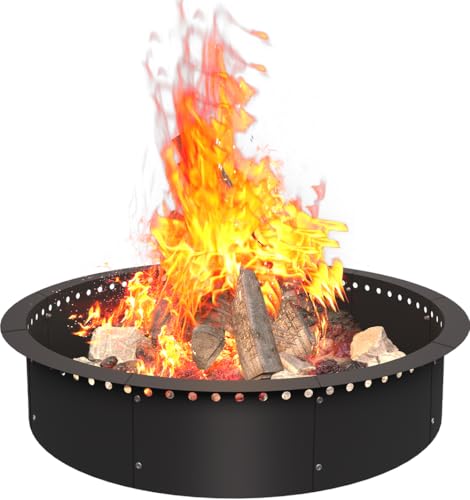
【Ventilation Holes Design】The smokeless fire pit ring is equipped with ventilation holes, which are arranged in circles at the top. They effectively enhance airflow and oxygen circulation, promoting thorough wood combustion, improving burning efficiency, and significantly reducing smoke. This allows users to enjoy a cleaner and more coamfortable fire experience during gatherings with family and friends.
Fire Pit Regulations
Your city may have rules about open flames on decks that differ from the backyard rules you already know. Some areas ban wood-burning pits outright; others require a permit for gas.
The manufacturer manual and your local code both set minimum distances from walls and railings, and the stricter of the two wins.
Weight limits matter too. A stone base plus the bowl plus anyone sitting nearby adds up fast.
If you do not know your deck’s load rating, a structural engineer can tell you; the fee is cheaper than a collapse.
I would read the installation manual before I buy, not after. Return windows close, and "I didn’t know it needed a paver pad" is not a reason the store accepts.

Double-Sided Fireproof and Waterproof: 42 inch round Fireproof fire pit mat is made of four layered non-itchy silicone coated fiberglass which stands up the temperature up to 2000℉. It has passed the UL94 -V0/5VA flame retardant test. Fire pit mat is not only fireproof but also waterproof, grease does not stick to them and they are easy to clean. The four layers of material make it last longer. It can perfectly protect your deck, patio, lawn, allowing you to easily enjoy barbecue and outdoors


【39" Round Fire Pit Mat】Rumlick fire pit mat, designed for Solo Stove Bonfire/Ranger 2.0, is crafted from double-sided fireproof fiberglass. It shields your deck and patio from sparker embers and hot grease. Versatile in use, it serves as an under grill mat, fireplace mat, and camping stove mat. Ideal for your patio.
Maintenance of Fire Pits
Before lighting anything, sweep leaves, pine straw, and old newspaper well back from the pit. Embers pop.
A single spark landing in dry debris turns a relaxing night into a call to the fire department.
Ash disposal is the part people rush. Let it cool completely, then bag it in metal, not plastic.
Hot coals stay hot longer than you’d think, and a garbage can fire is a bad end to a good evening.
Gas pits need less daily attention, but the burner ports clog. A toothpick and a can of compressed air, once a season, keeps the flame even.
For wood models, check the bowl for cracks that let embers through to whatever sits below.

Cozy Outdoor Ambiance: Our CSA-certified propane fire pit can extend your outdoor evenings with inviting warmth. Boasting 60,000 BTUs of heat, this fire pit can transform your patio into a cozy haven. Enjoy the beauty of the outdoors while staying comfortably warm on cooler nights.

Wanting A Great Patio Party?: Having a patio party is different from an indoor party, outdoors you need to consider the coldness and a center of attention to gather everyone. A fire pit table can provide the atmosphere needed for a great time!

Powerful 60,000 BTU Heating: Enjoy efficient warmth on chilly nights with this high-heat 60,000 BTU output propane fire pit table. The durable 304 stainless steel H-burner creates a denser flame pattern for consistent & effective heating. This fire table will elevate your outdoor experience and it’s certified by CSA for quality, reliability, and safety.
Deck Protection
Heat barriers sit between the pit and your deck boards, and they are not all the same thing. A thin pad may block direct flame but trap moisture underneath; that stains composite and rots wood.
DeckProtect uses an aluminum frame raised on rubber feet so air flows underneath. Inside the frame, two layers of volcanic rock fiber tile absorb and disperse heat.
The raised design matters: the gap stops water from pooling, which is how cheaper pads damage the surface they are meant to save.
Trex has recommended this specific system, which is worth noting if your deck is composite and the manufacturer warranty still matters to you. Sizes run from small bowl pads up to custom shapes for fire tables.

[3 IN 1]: OutVue fire pit is equipped with 2 cooking grills, 1 lid and tabletop. When you fix grills and tabletop to the fire pit, you can enjoy the roast and bonfire. When it not make fire and cover the lid, you will get a 36 inch round table to have a meal or coffee for 6-8 persons. OutVue provide a wood fire pit has 3 functions: bonfire, barbecue and table, which can be used all year for your garden, yard, patio. This's also a very thoughtful gift to friends.

Fun Moments Around the Campfire: If you want to create a welcoming atmosphere in your backyard for gatherings where you can enjoy delicious marshmallows and endless conversations together with your family and friends, the Gas One portable fire pit for camping is the ideal solution!

43 Inch Large Fire Pit Table for Outdoor Gatherings: This firepits for outside features 2 removable grill plates,a protective lid, and a wide tabletop that easily transitions from a wood-burning fire pit to a BBQ grill or outdoor table.The 43 inch design comfortably accommodates 8–10 guests, making it ideal for family dinners and backyard parties.This stove shines on special occasions like Halloween,Christmas,showing its true value.Note:Please place aluminum foil on the grill plate when grilling
Weight Considerations
A stone base for a wood-burning pit gets heavy fast before you add fuel or anyone gathering around. Add your furniture, the grill you left out, and the guests standing with drinks.
The total needs to stay under what your deck was built to hold.
If your house is newer, the builder may have left specs. For older decks, the safe move is a structural engineer’s opinion.
Gas fire tables weigh less, but the tank hides in a cabinet or below the table. A full propane tank adds serious weight right where you least want it, concentrated on small feet.
Spread that load, or place it near a joist, not between them.

[Durable Material] OutVue fire table are made with iron, rust-proof paint and 304 stainless steel burner which are heat-resistant, water-proof and easy to clean. OutVue fire pit is suit for heating in the garden, having bonfires in yard, entertaining guests and enjoying outdoor living at its finest.
Protects Your Floor And Lawn: Charcoal fires can cause irreparable damage to floor and lawn, a fireproof, heat-resistant fire pit mat is perfect for protecting your patio, lawn, composite decking, grass, yard, wood, cement, brick, and decorative stone. It keeps your outdoor floor or deck safe from embers and grease. FIREWESS's pit mats have conducted many lab tests and quality checks before the products leave the factory. They will not tear, curl at the edges or crack due to heat
Frequently Asked Questions
Is it okay to have a fire pit on a deck?
Yes, but the type of pit and where you place it matter more than the deck itself.
Gas fire pits built for deck use go straight onto wood or composite if you follow the manufacturer’s clearance specs; wood-burning setups usually want a paver pad or some other heat shield underneath.
Check your local code and the manufacturer specs before you buy, since both may require more distance from the house than you expect.
Can you put a fire pit directly on pavers?
Yes, if the pavers are non-combustible. Stone or brick pavers arranged under the pit protect the deck below from scorching, and extending them a foot or two around the bowl catches ash, embers, and dropped food.
You can also cut the decking away and set the pit into a gravel bed framed by the joists already holding the deck up.