

The range runs from a pair of cooking chopsticks cheap enough to try on a whim to a heavy cast iron tetsubin kettle, with pans, bowls, and teapots in between.
How often you cook the dish a tool was built for decides each pick, since something like the rectangular tamagoyaki pan only earns its drawer space if omelets are a regular thing.
Storage is the second filter: a bamboo sushi mat dries and stores flat, while a donabe clay pot and a cast iron kettle take real cabinet room.
1. Tamagoyaki Pan
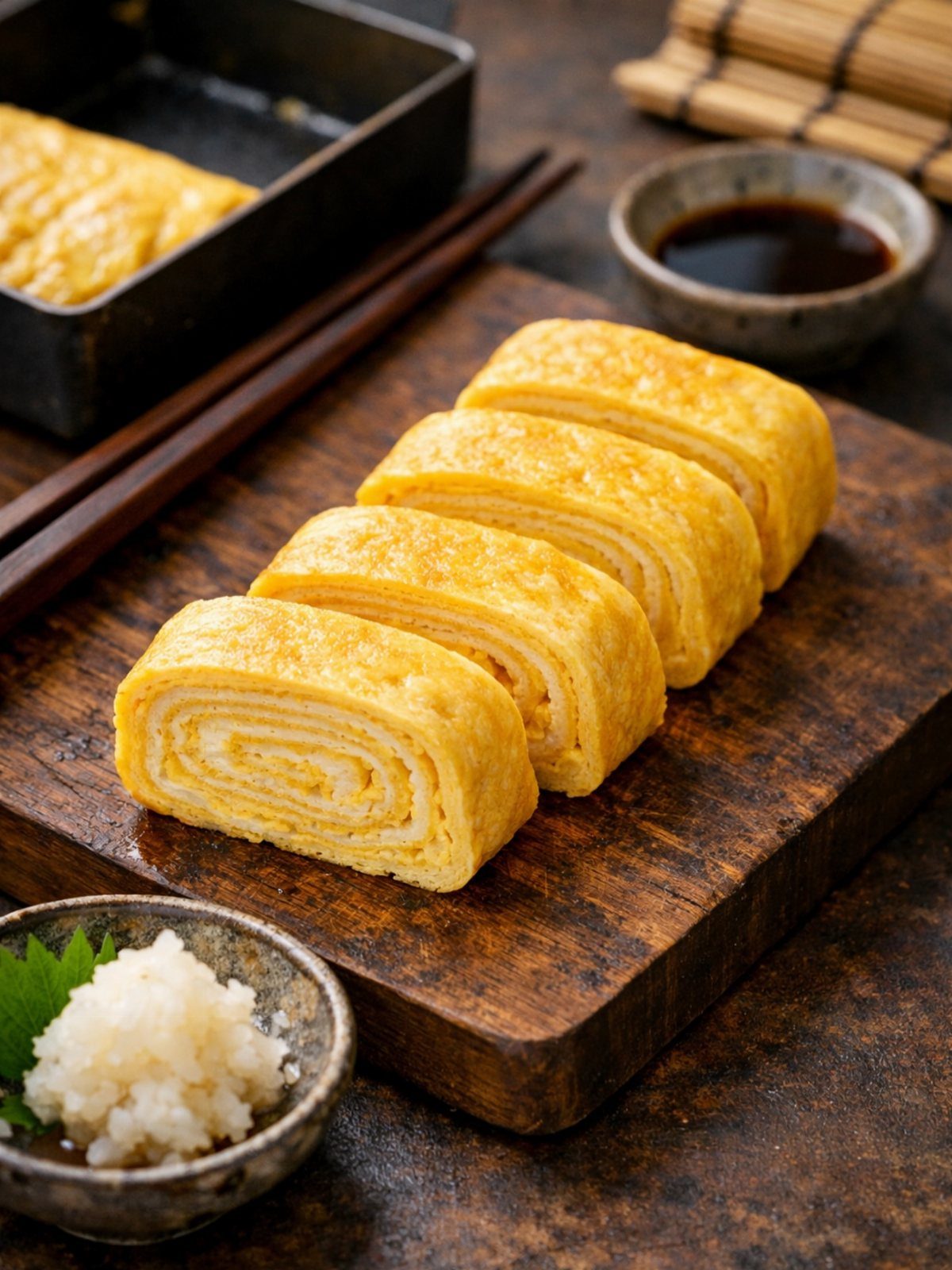
A rectangular pan is the whole reason tamagoyaki works at home. The straight sides let each thin layer of egg roll into a neat block, where a round skillet leaves you with a lopsided fold.
If you make omelets often, this is the one pan I’d buy before anything fancier.
2. Donabe Clay Pot
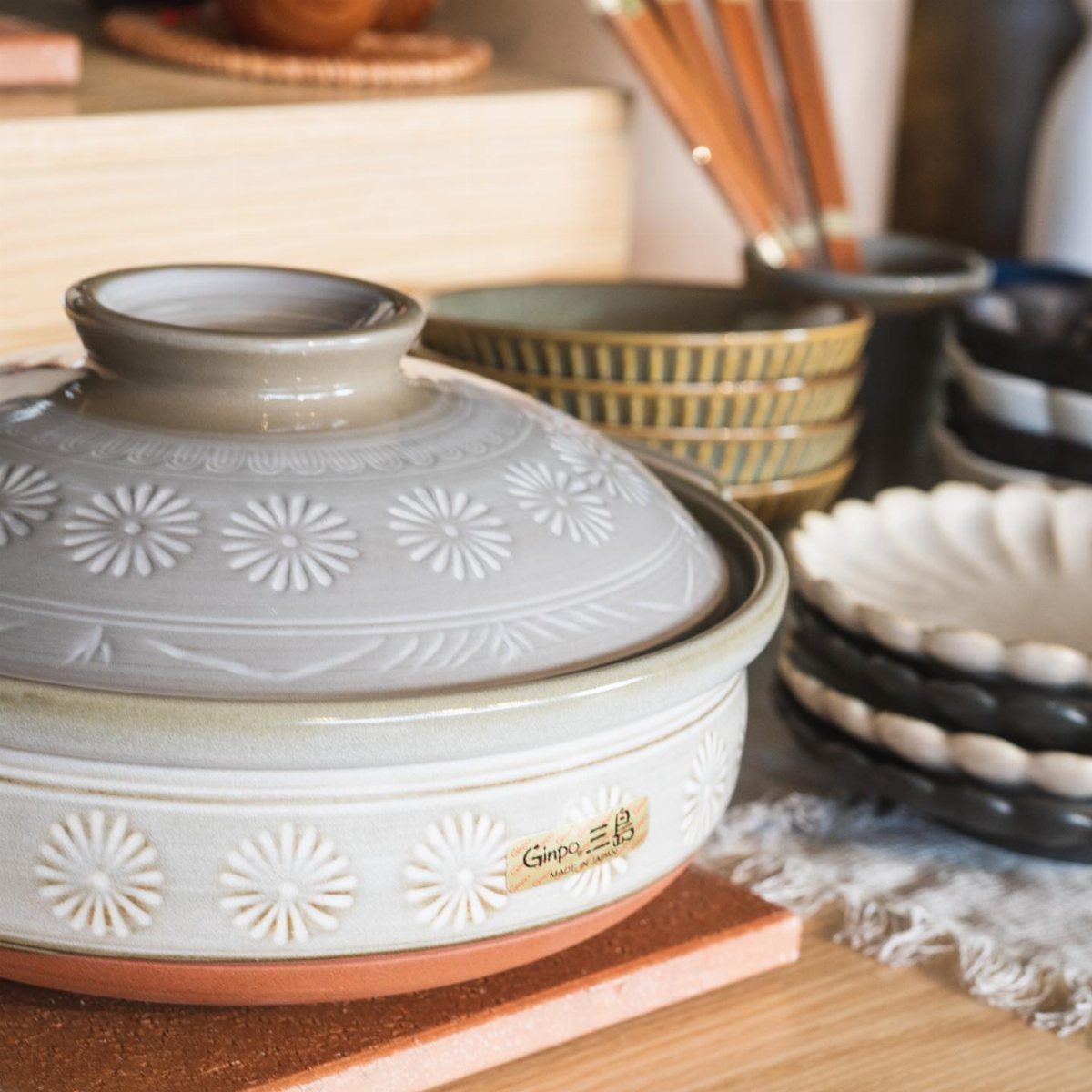
Rice, hot pot, steaming: one clay pot covers all three, which matters when cabinet space is tight. I’d pick a single donabe over 3 single-use pans.
Bring it to the table on a trivet and let the pot double as the serving dish, so there’s less to wash. A lidded pot in a soft grey pattern also makes a gift that gets used, not shelved.
3. Wooden Miso Soup Bowls
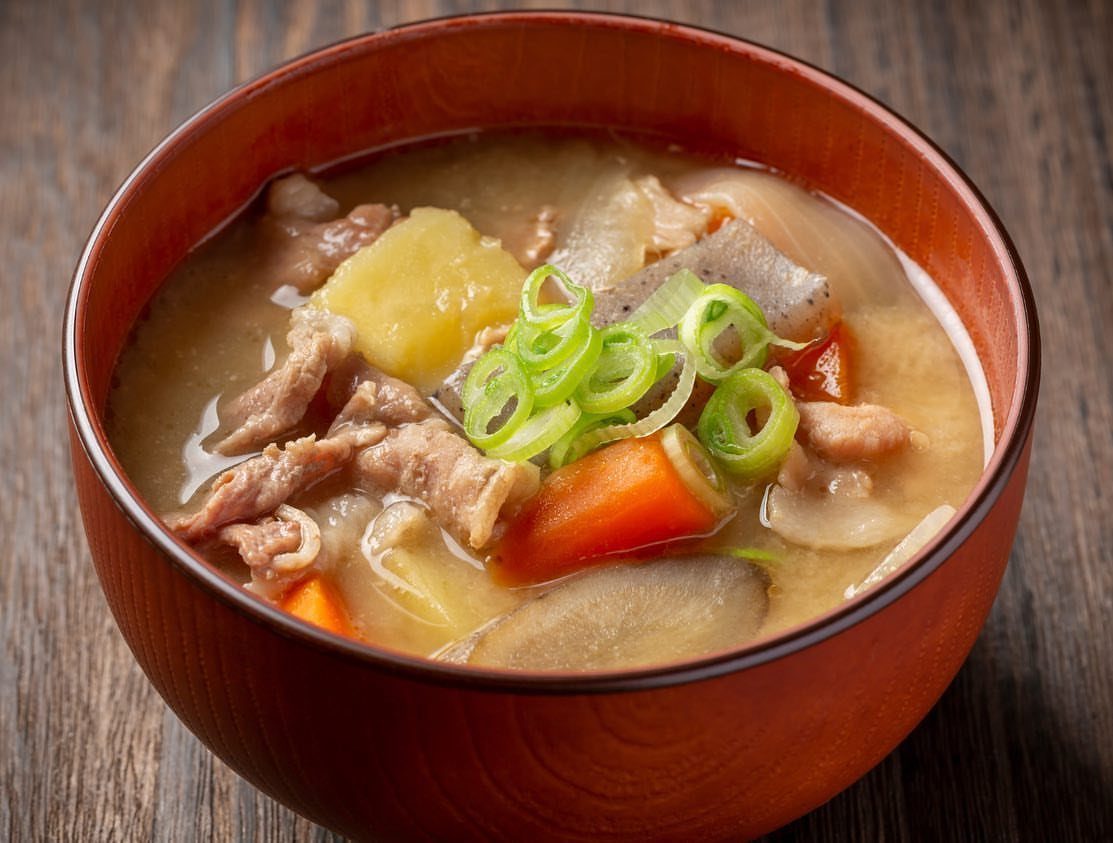
Dark wood against a bowl of miso soup looks good, and it’s an easy way to make an everyday meal feel considered.
Pick a bowl deep enough for a loaded soup, since chunky add-ins like meat, carrots, potatoes, and sliced green onions need room to sit in the broth.
Wooden bowls are made for daily servings, so I’d keep them in regular rotation instead of saving them for guests.
4. Kappabashi Ramen Bowls
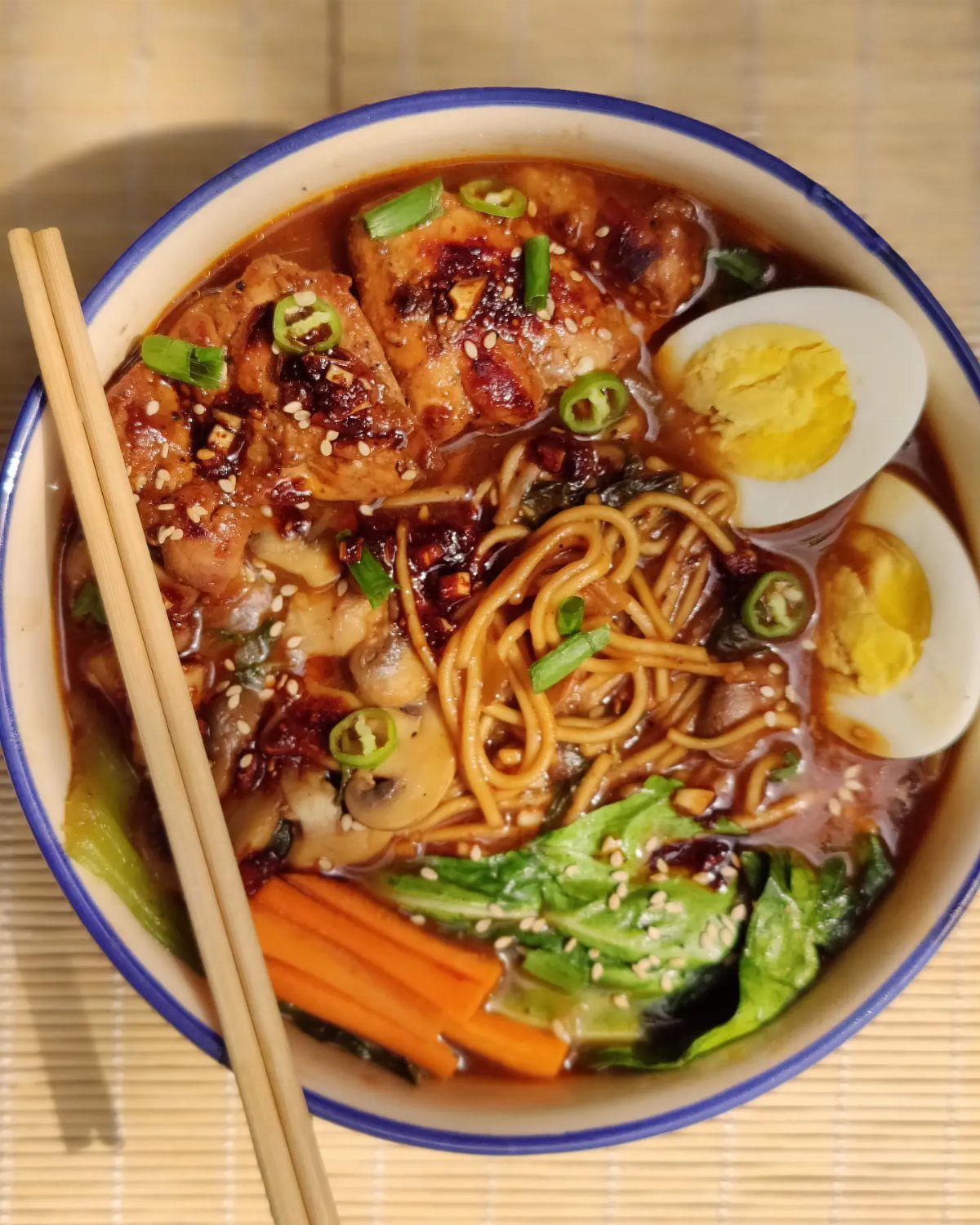
Serving ramen at home gets easier once you own a proper bowl. A wide one gives noodles, eggs, meat, and vegetables room to sit in their own spots instead of piling up.
A bamboo mat under the bowl protects the table and keeps the setup simple, with the chopsticks resting along the side. 2 matching bowls also make a practical housewarming gift for anyone who cooks noodles often.
5. Cooking Chopsticks
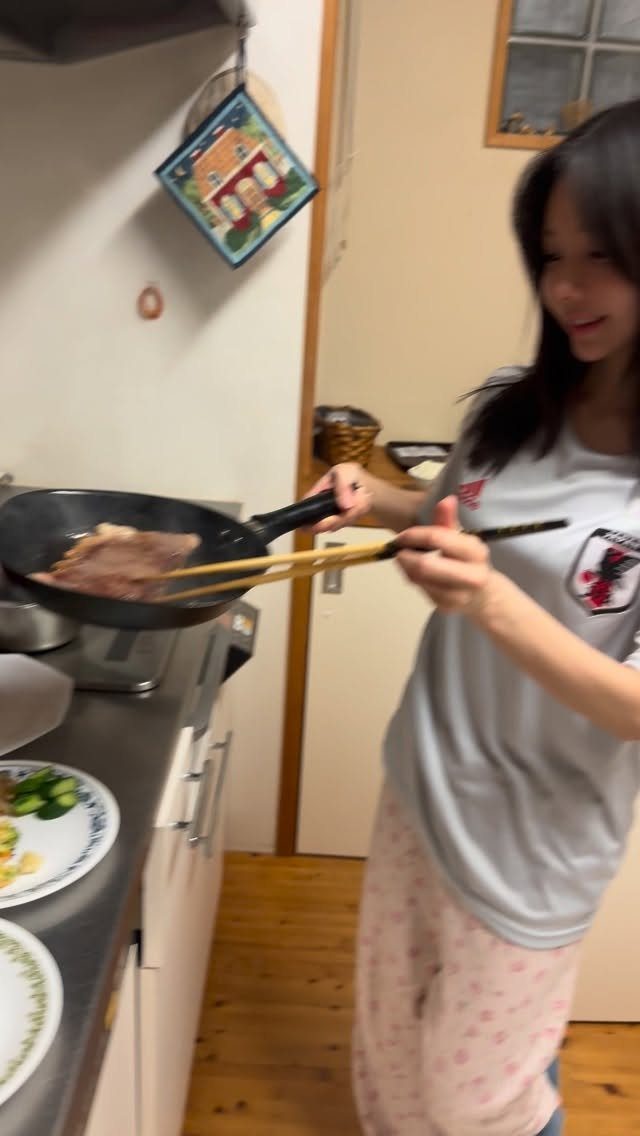
Extra length is the point of cooking chopsticks: your hand stays well back from a hot pan while the tips do the work.
They suit flipping thin pieces of meat and moving delicate ingredients you don’t want to pierce or crush.
Wood is the material I’d choose for them, and a pair is cheap enough to try before you commit to any other utensil.
6. Japanese Mandoline
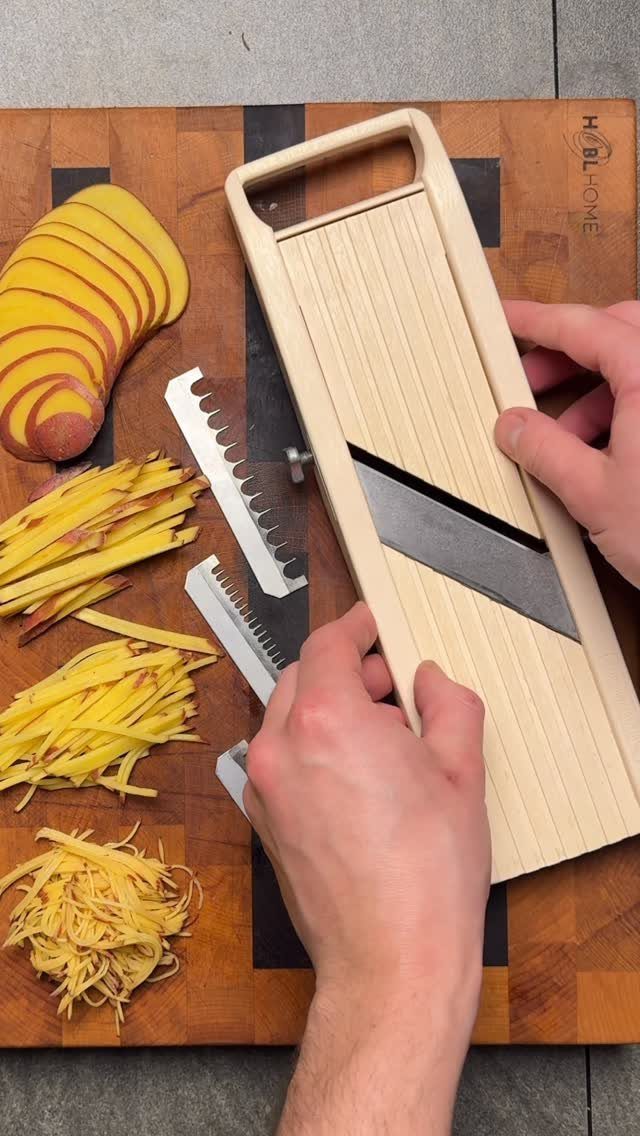
Potato strips and shreds that come out the same thickness are the reason to own a Japanese mandoline. Even cuts make a pile of vegetables look intentional on the plate.
The blade is sharp, so use the guard or a cut-resistant glove instead of pushing the last inch of a potato by hand. A wooden one stores flat, which suits a small kitchen.
7. Suribachi and Surikogi
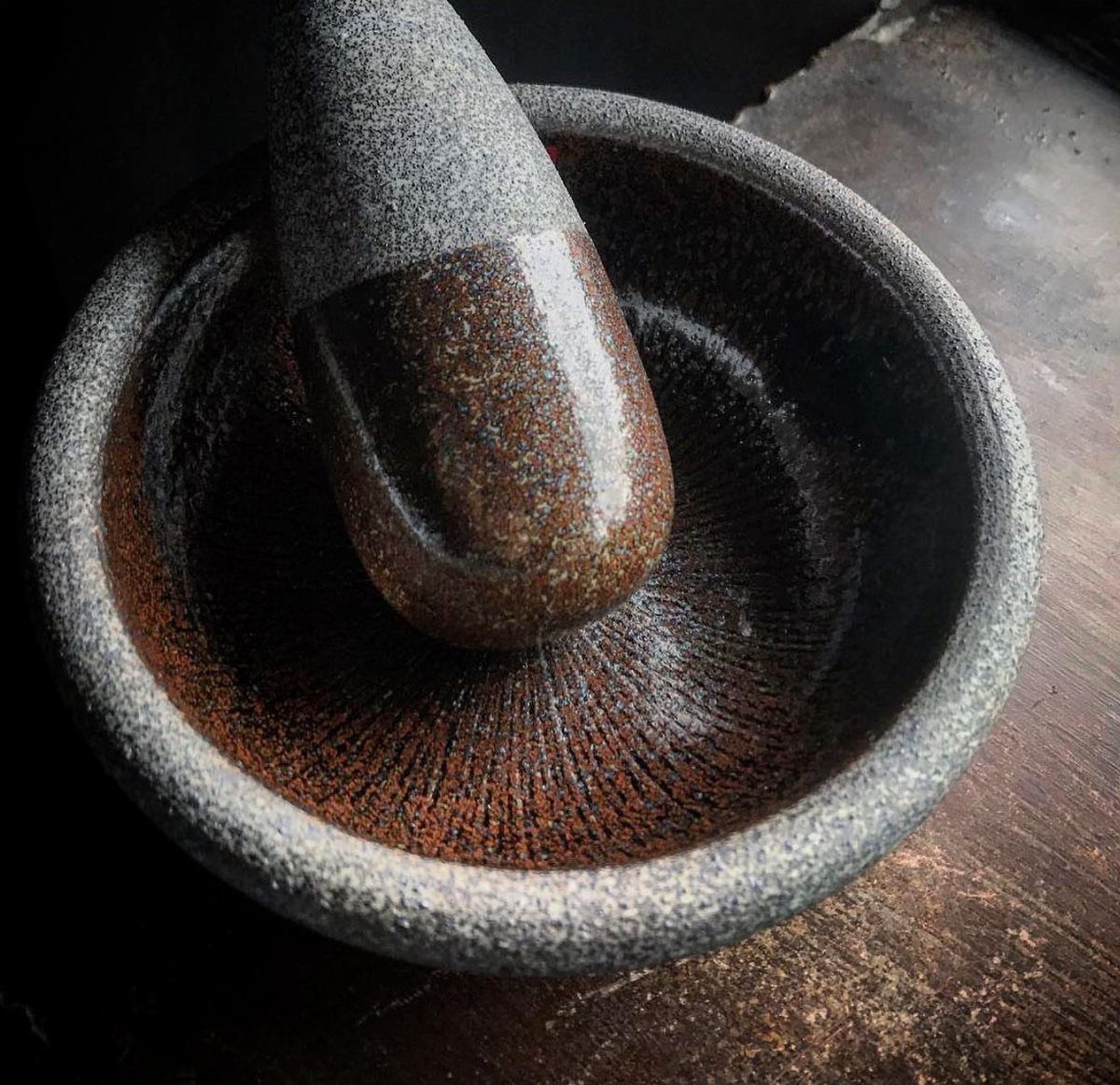
Ridges cut into the bowl of a suribachi do the grinding: seeds and spices catch on them and break down as the pestle turns.
The pestle you rub against those grooves is called a surikogi, and the pairing works as one tool, not two.
A stone-grey mortar like this one is a good fit for a small kitchen, since a single pair handles every grinding job you throw at it.
I’d keep it on the counter near the stove, where it gets used instead of forgotten.
8. Cooking Tongs
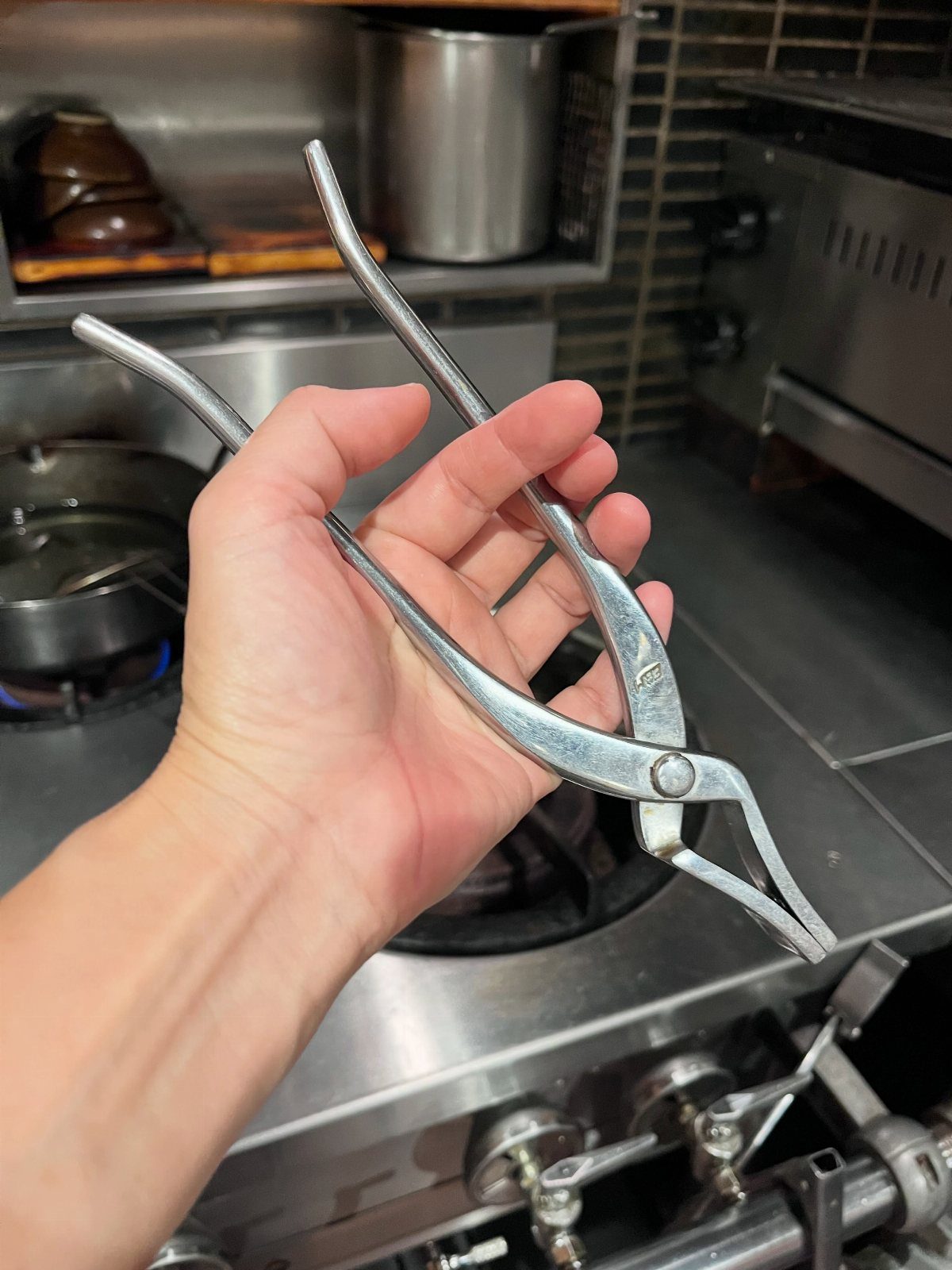
Metal tongs earn their place at the stove when you’re searing or grilling and need to turn or lift food without reaching over the heat.
Silver ones like these are the version I’d pick, since the same pair can move food in the pan and then carry it to the plate.
Buy one pair and use it for both jobs. Anything more specialized takes up drawer space a small kitchen doesn’t have.
9. Magewappa Bento Box
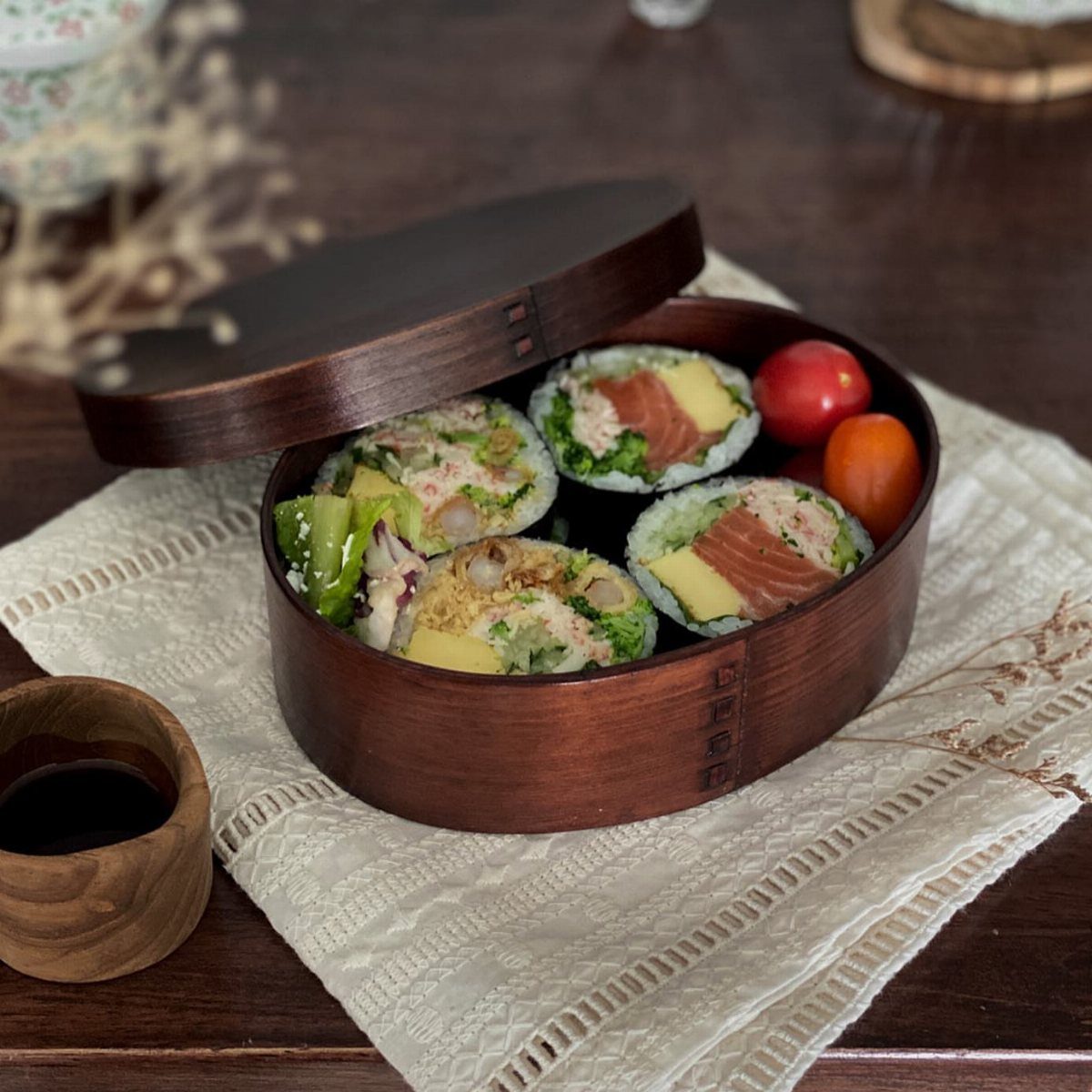
A round wooden bento box makes a packed lunch look like a meal someone planned. Sushi rolls and a few cherry tomatoes fill the space neatly, and the wood gives plain food a presentable frame without any extra garnish.
For a gift, it suits anyone who packs lunch or likes serving at the table. Pair it with a small dish of soy sauce so the box can go straight from kitchen to table.
10. Otoshibuta Drop Lid
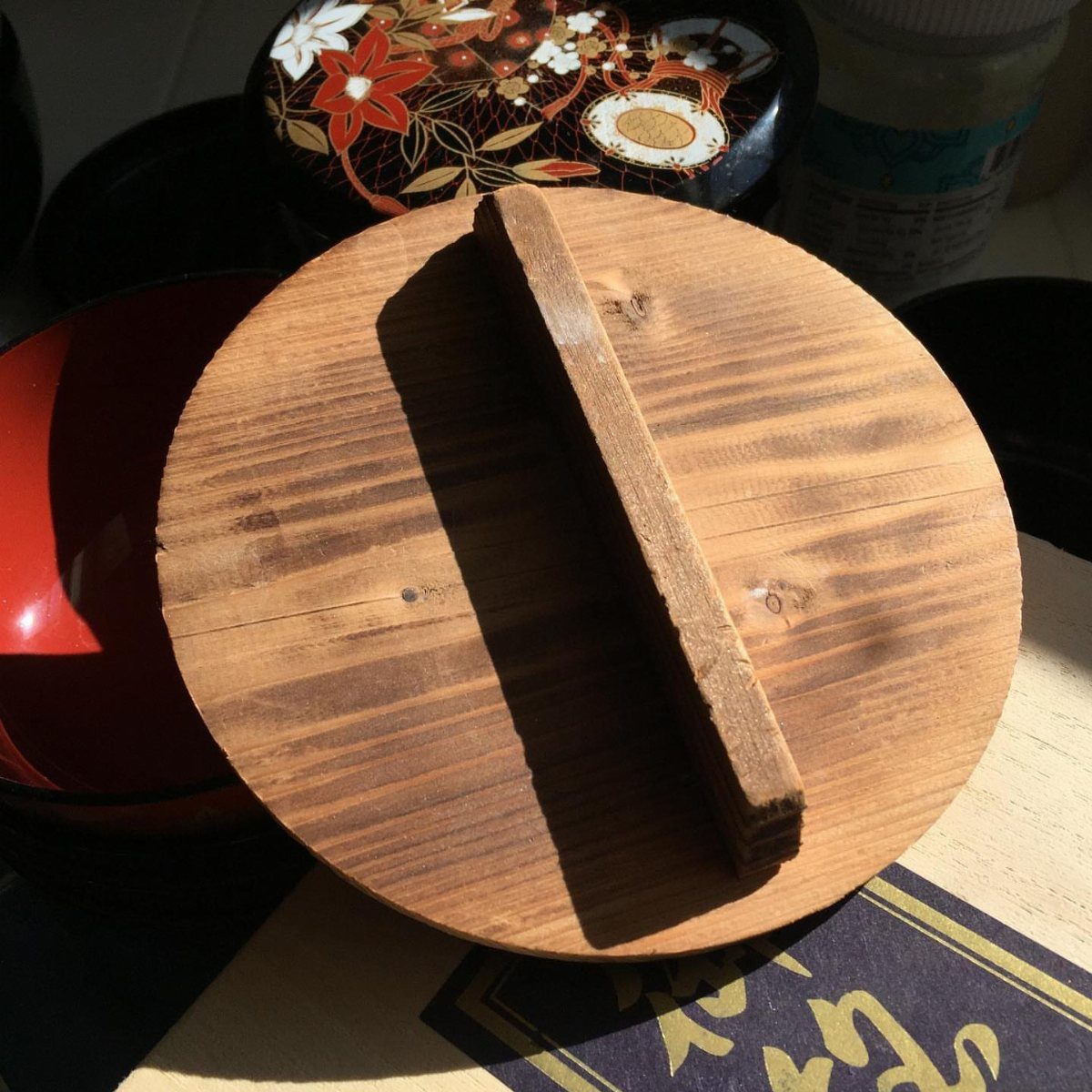
Simmered dishes call for an otoshibuta, a wooden lid that sits inside the pot instead of on top of it. The handle in the center makes it easy to lift in and out of the pot.
If you cook simmered foods even occasionally, this is a cheap tool to add. Wood stores flat, so it takes almost no room in a small kitchen.
11. Chiffon Cake Pans
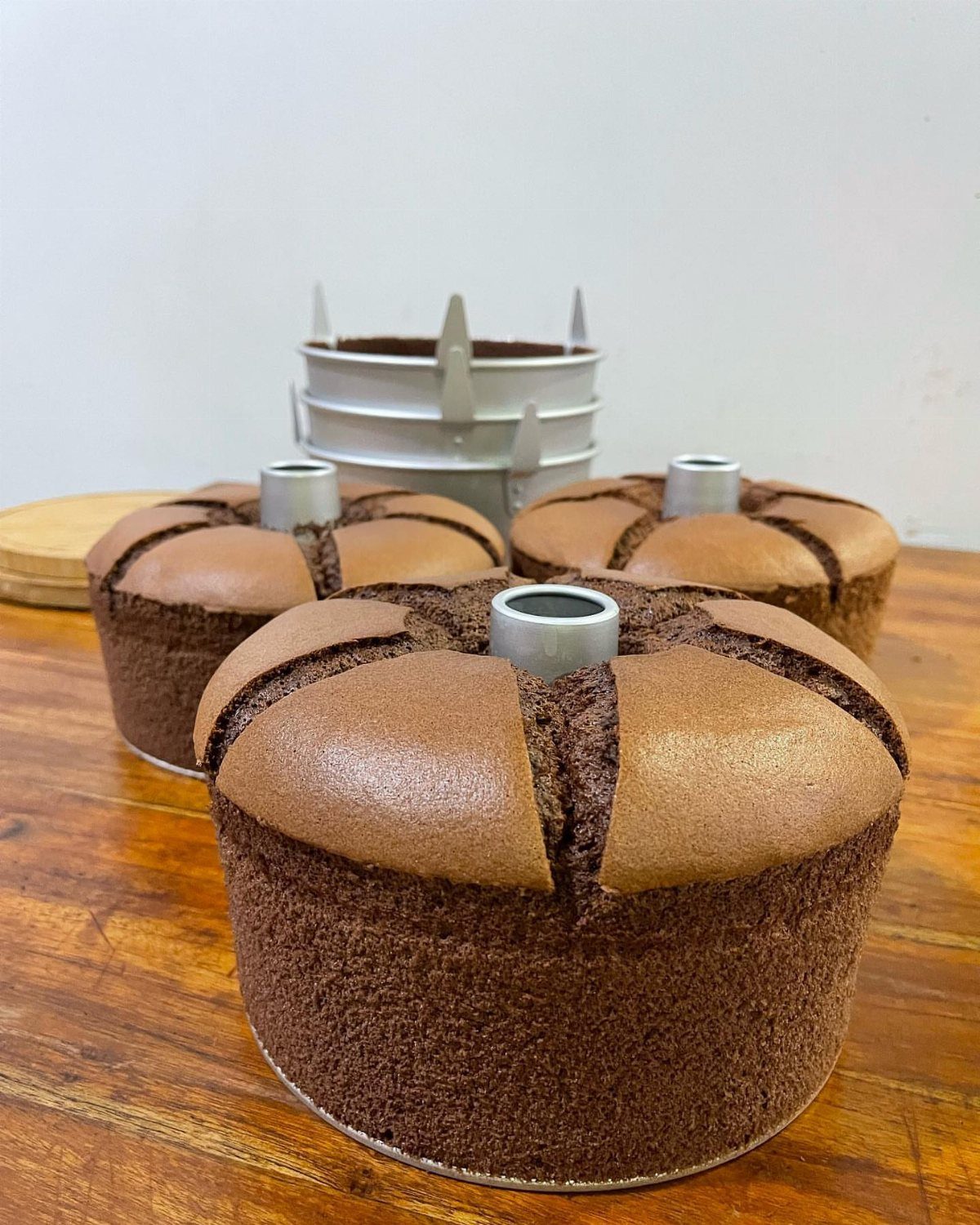
Chiffon cakes need a slim, tall pan, and the Japanese versions are built that way. Chocolate chiffon looks especially good coming out of them, because the height shows off the cake’s shape when you slice it.
If you plan to bake chiffon more than once, buy the proper pan instead of improvising with a standard cake tin. It’s one more thing to store, so I’d skip it unless you really want the cake.
12. Japanese Plates and Bowls
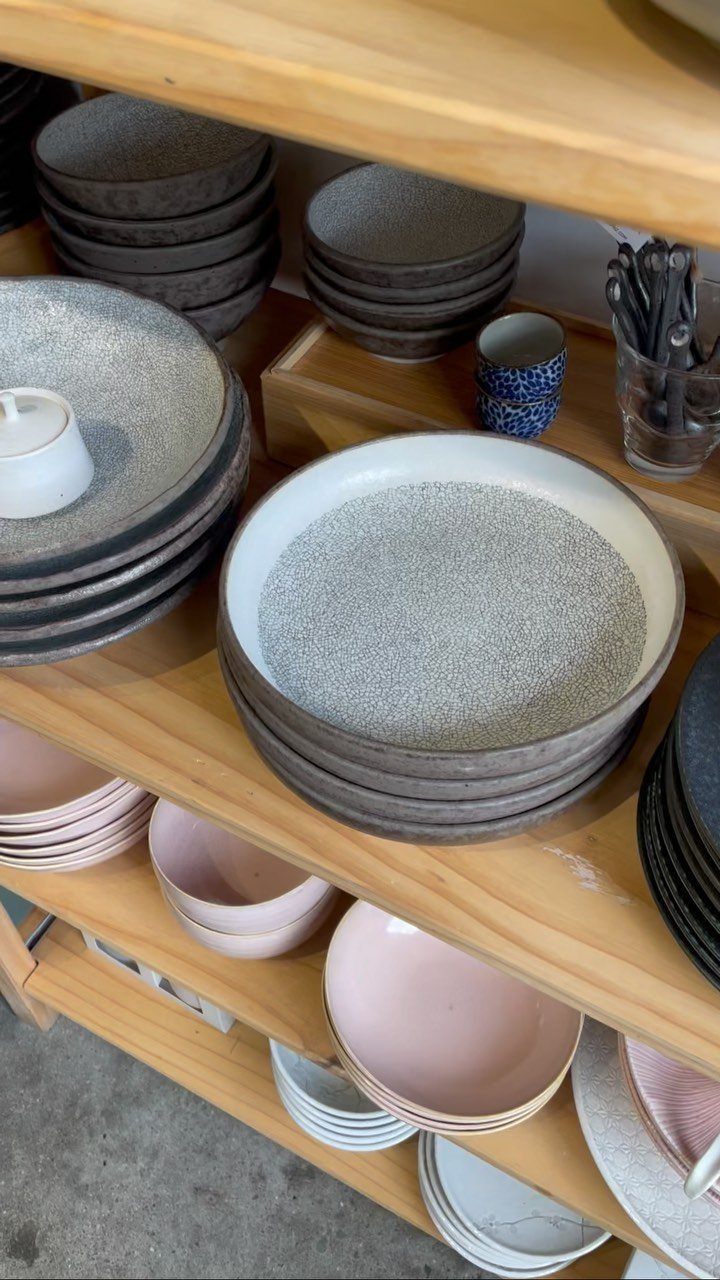
Handmade ceramics give a table more character than matched dinnerware ever will. Soft grey and pink pieces like these stack well, so a shelf of them takes up little room and still looks good on display.
Buy a few bowls and plates at a time instead of a full set; mixing pieces is half the appeal. A single handmade bowl also makes a gift that feels chosen, not grabbed.
13. Glass Teapot with Built-In Strainer
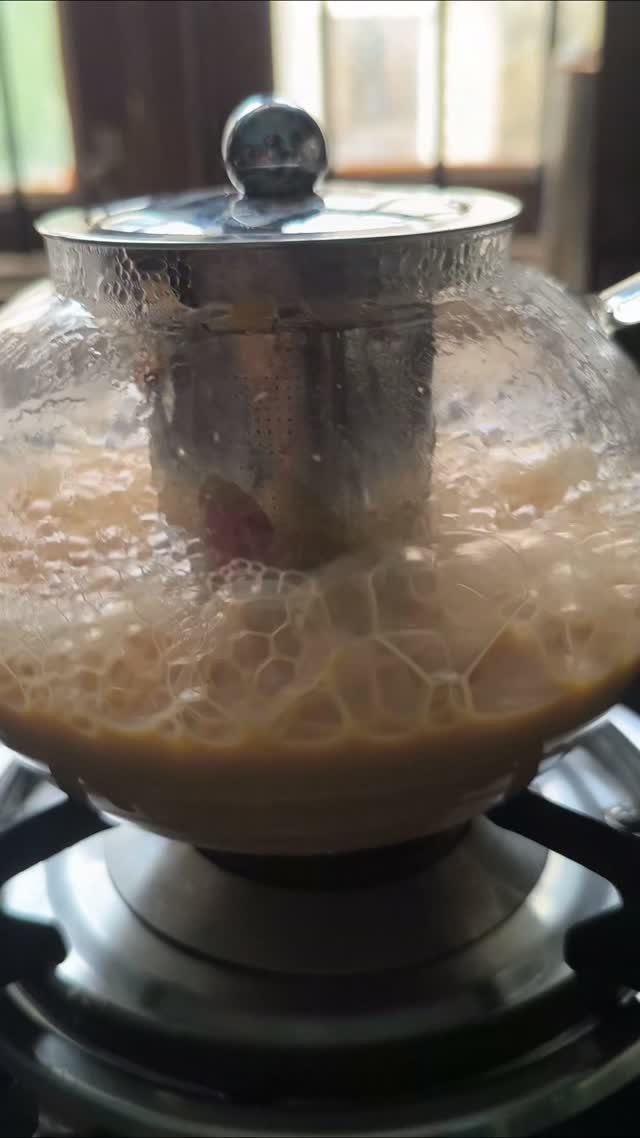
Clear glass lets you watch the leaves open and the color deepen, so you know when the tea is ready without guessing.
The built-in metal strainer keeps the leaves out of the cup, and the lid holds the heat in while it steeps.
I’d pick glass over an opaque pot if you drink loose-leaf tea and like seeing what’s happening.
A glass teapot can sit right on a gas stove only if it’s made for stovetop use, so check the label before you try it.
14. Tetsubin Iron Kettle
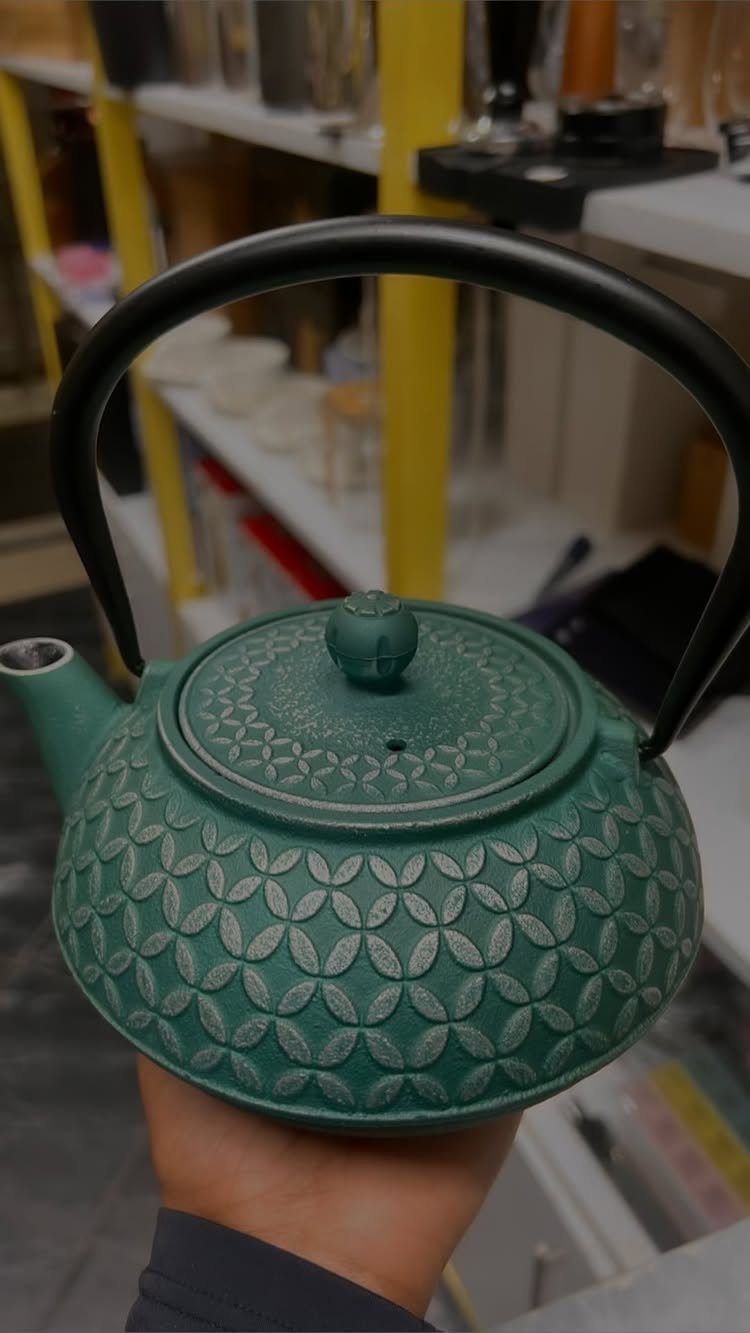
Warm water for tea is the job of a tetsubin, and a green one with a raised texture like this also looks good sitting out on a shelf. The black handle gives you something sturdy to hold when you pour.
Cast iron is built for heat, so expect a heavier kettle than a thin steel one.
I’d choose it if you want a piece that does the work and doubles as decoration, since a kitchen with limited counter space benefits from tools that earn their spot twice.
15. Rice Washing Bowl
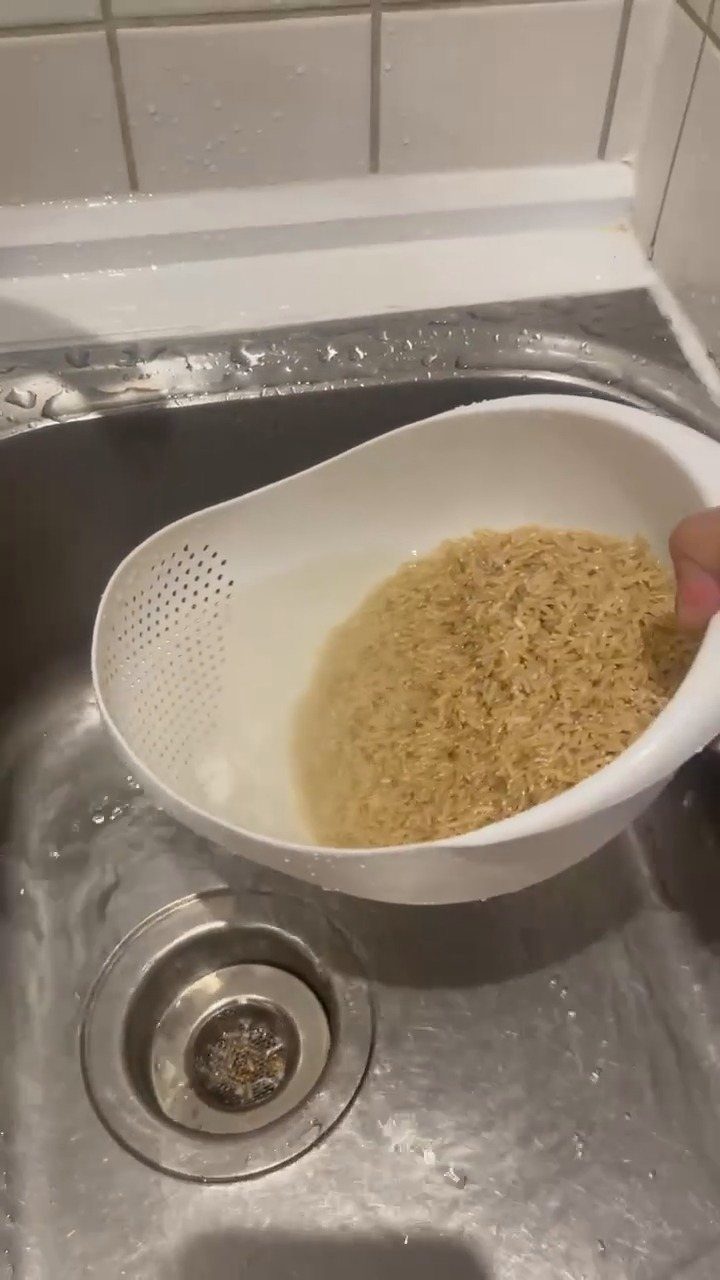
Rinsing rice in a perforated bowl means the water drains straight out through the holes while the grains stay put. Hold it over the sink, add water, swirl, and tip the cloudy water away without losing any rice.
The white plastic version is light and cheap, and it works for brown rice as well as white.
I’d buy one if you cook rice several times a week, since a regular pot and your hand do the same job less neatly.
16. Japanese Chef’s Knife
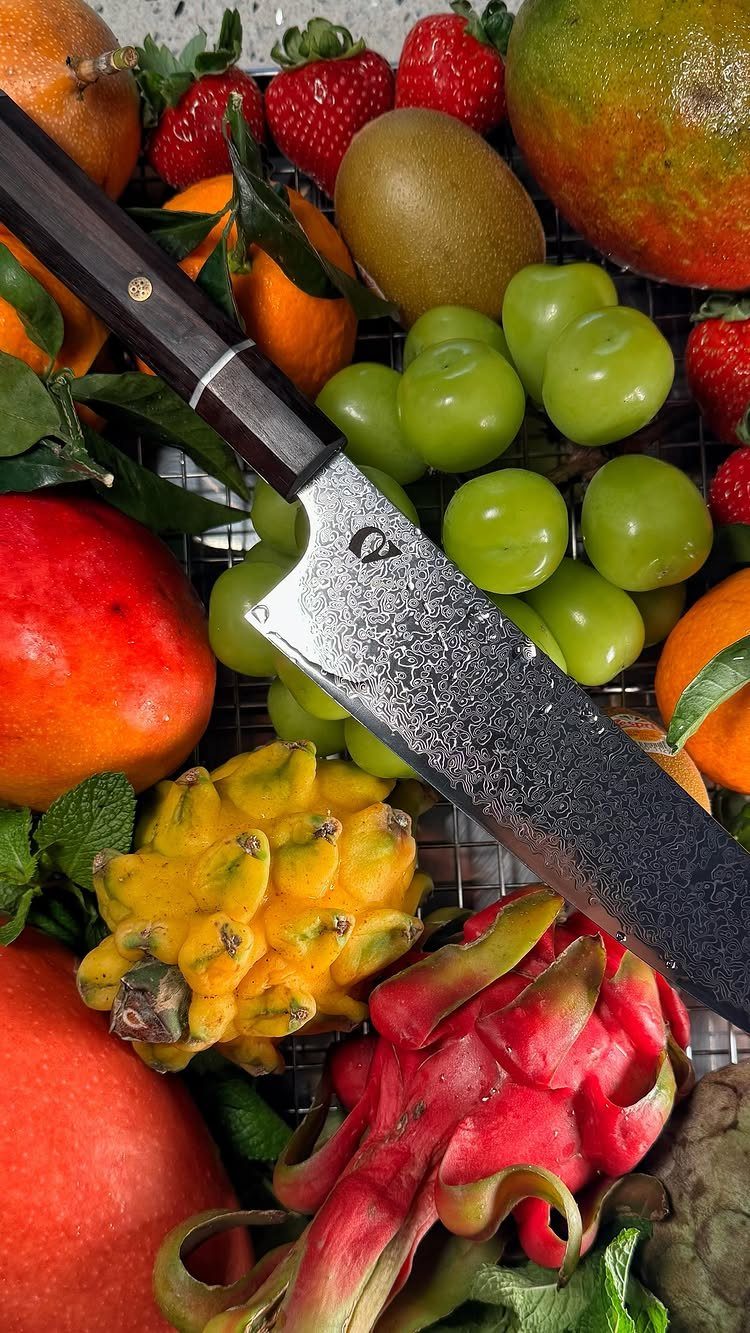
A hammered blade like this one is a good sign of a knife made for slicing and chopping.
Soft, juicy produce such as mango or dragon fruit is where a sharp edge pays off, since a dull blade crushes the flesh instead of cutting it.
If you can afford only one good knife, I’d make it this one, because it covers fruit, vegetables, and most prep.
Hand-wash it and dry it right away, and store it on a rack or in a sheath, not loose in a drawer.
17. Donabe Cooking Pot
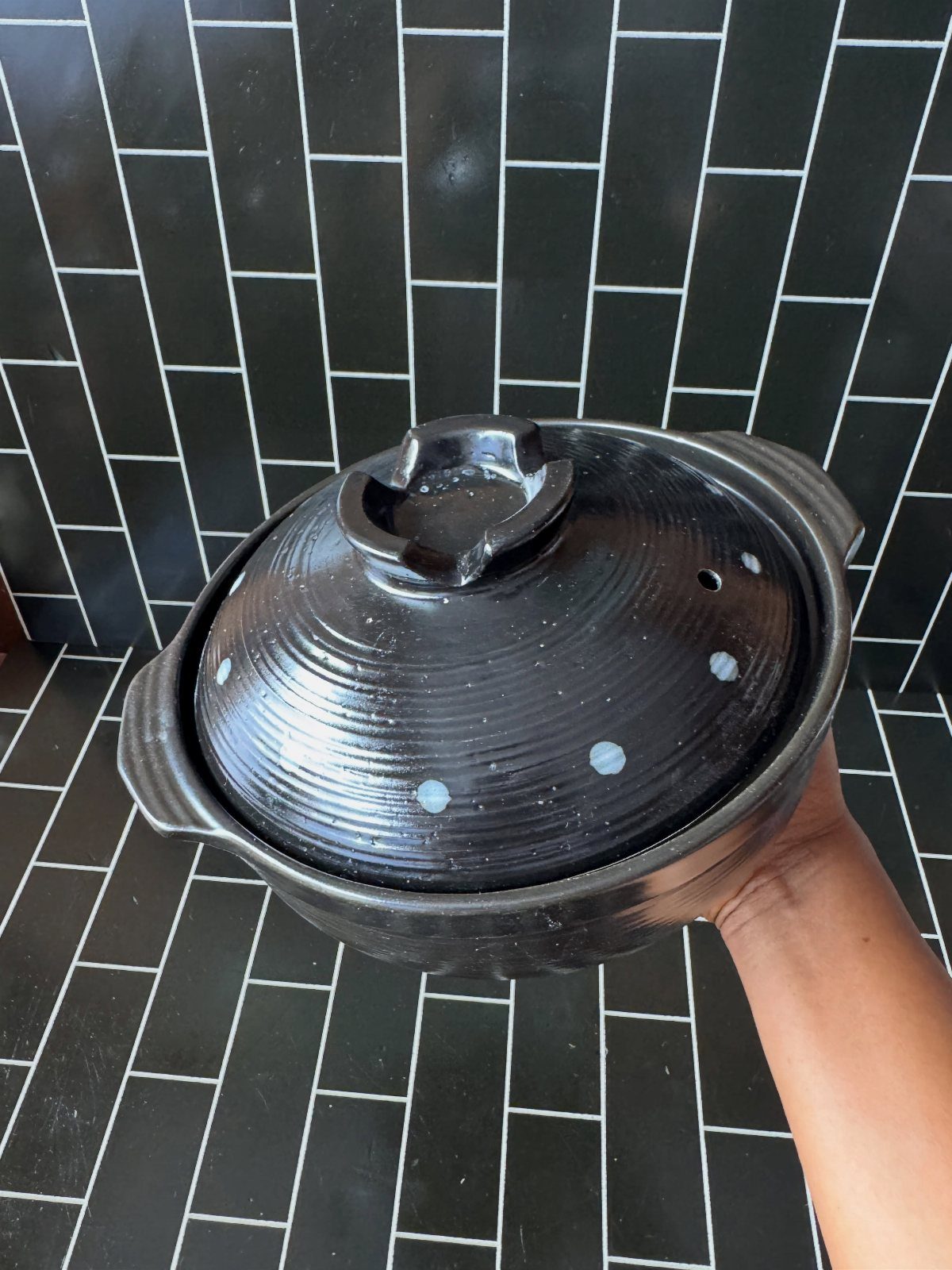
Black ceramic gives a donabe a modern look, and the lidded shape traps steam while the food cooks. A pot this dark suits a kitchen with black or slate tones, where a pale one would stand out.
My view: pick the color you’d happily leave on the stove or table, because a donabe works best as the dish you serve from.
Since entry 2 already covers the clay version, this is the choice if you want the same job in a darker finish.
18. Daikon Slicer
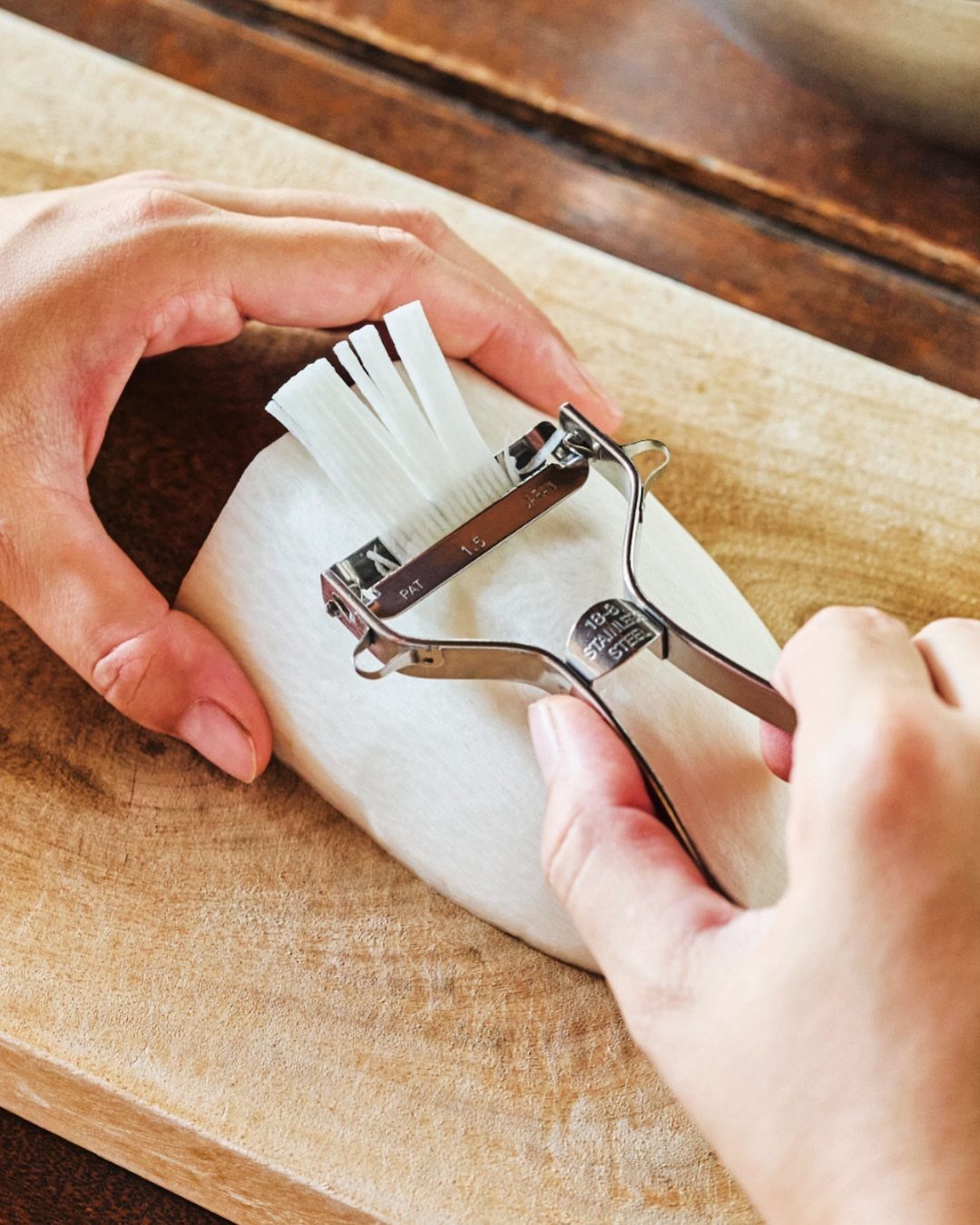
Thin daikon slices come from guiding the radish across a stainless steel slicer, with one hand steadying the vegetable and the other pushing it along.
Look for a stainless steel slicer, since it won’t rust or hold onto flavors the way some cheaper metals can.
Work over a wooden board to keep the slicer from slipping.
I’d get one if you cut daikon often, because a knife rarely gives slices this even. Keep your fingertips clear of the blade as the radish gets short.
19. Bamboo Sushi Mat
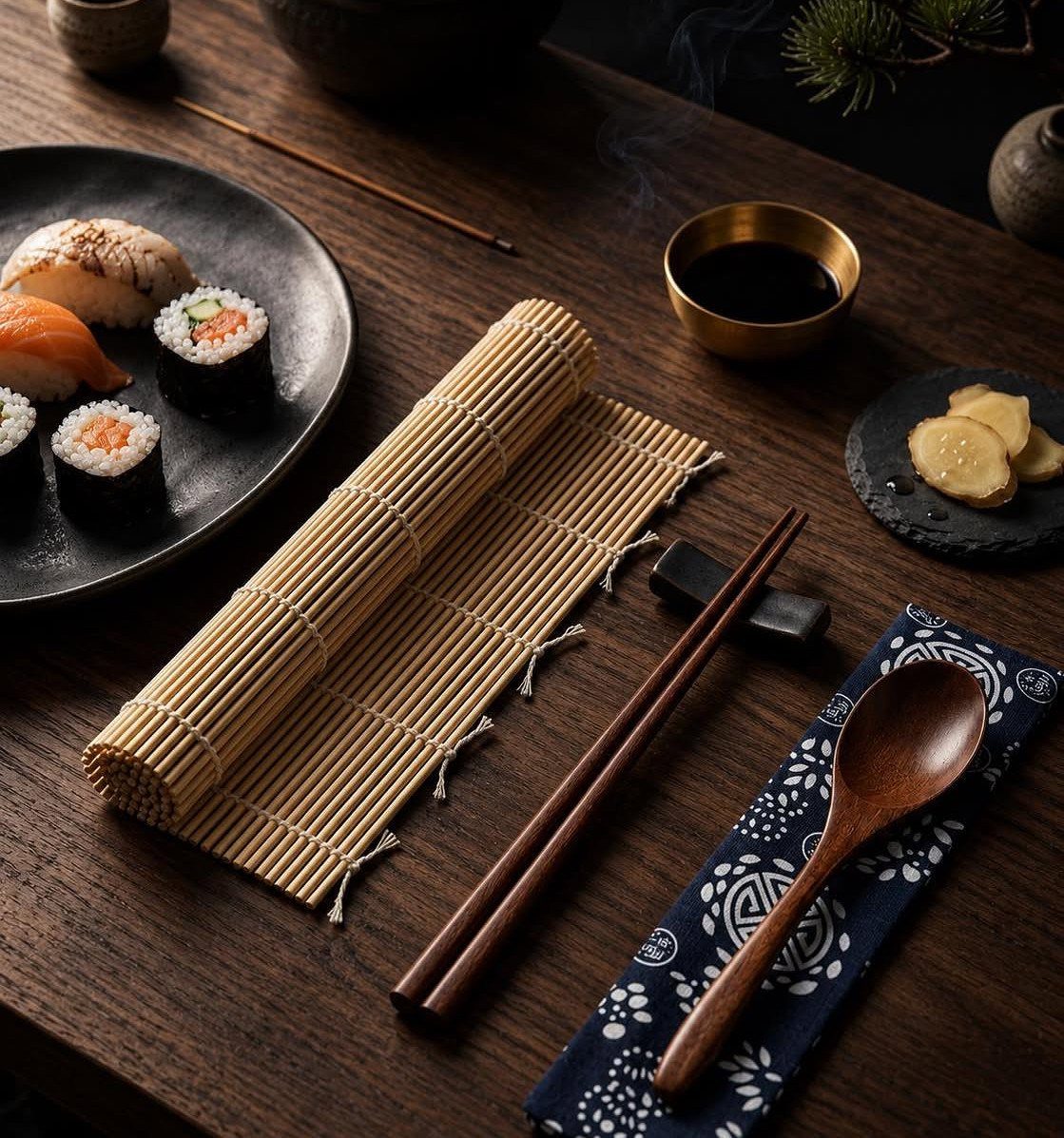
Rolling sushi at home is a lot easier with a bamboo mat under the nori, since the slats let you press the roll into a firm, even cylinder.
Wrap the mat in plastic wrap first if you plan to use it often, so rice doesn’t lodge between the strips.
Plain wooden chopsticks and a wooden spoon suit the same table, since they keep the mat and the utensils in one warm, natural material.
Rinse the mat by hand and let it dry flat; it takes up almost no space, which helps in a small kitchen.
20. Cast Iron Teapot
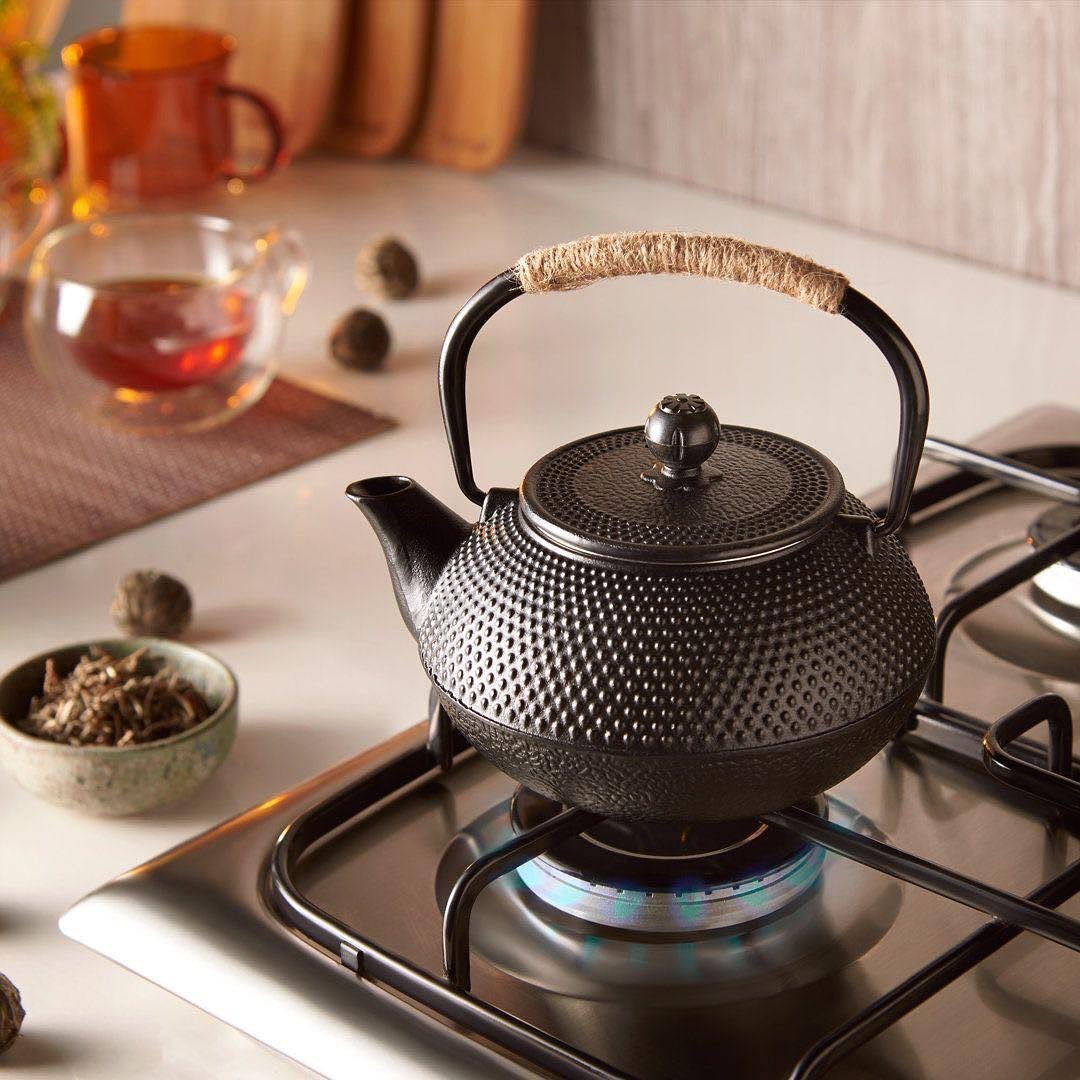
Heating a black cast iron teapot right on a gas burner is part of its appeal, and the rope-wrapped handle gives you something to grab. Cast iron holds heat well, so the tea stays hot at the table.
I’d choose it for loose tea and slow afternoons, not for a quick bag in a mug.
Expect real weight when it’s full, and dry it after use so the inside doesn’t rust. Check the maker’s instructions before putting any teapot over a flame.
21. Japanese Tea Strainer
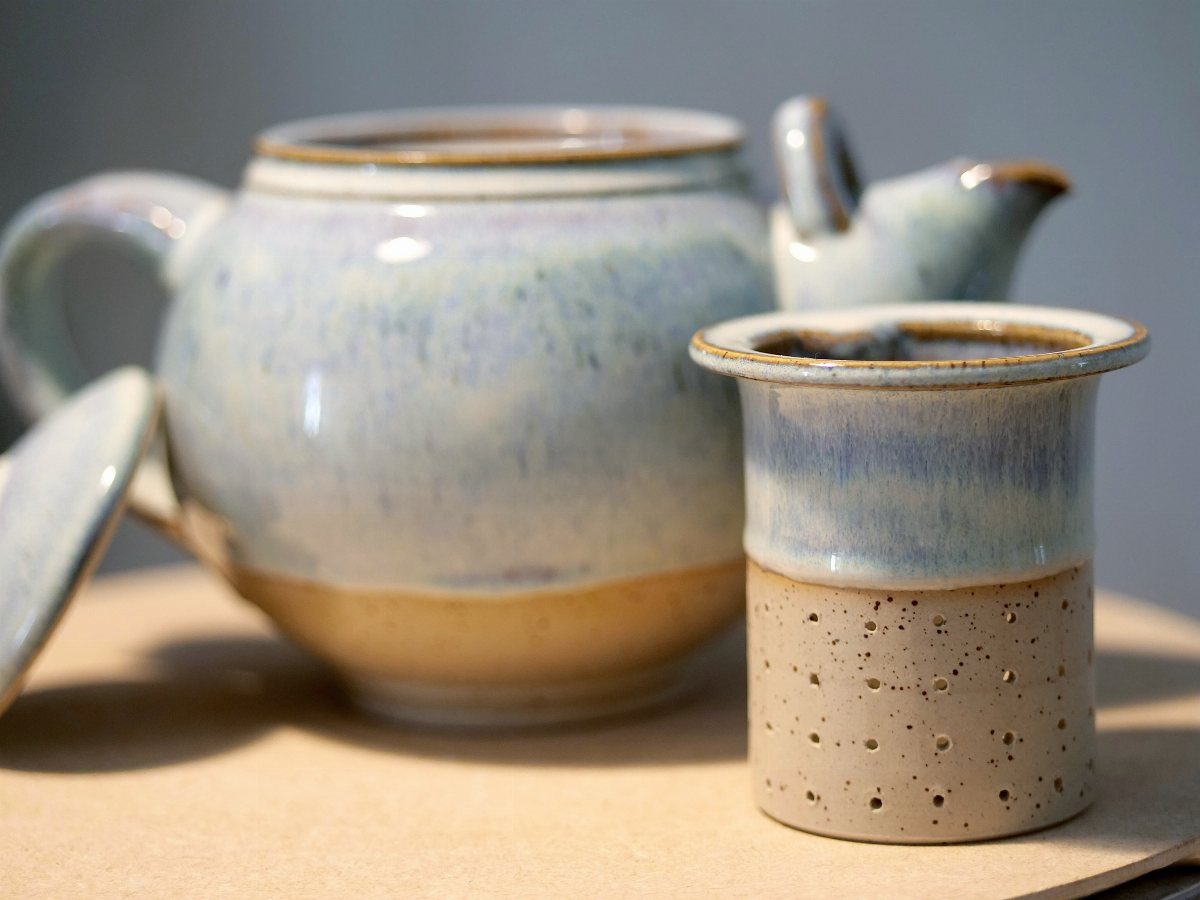
A perforated ceramic strainer that matches the teapot is a small detail that makes a set feel complete. The cylinder holds loose leaves while the tea steeps, and lifting it out stops the brew before it turns bitter.
Soft blue and tan glazes sit well on a neutral shelf, adding a little color without clashing with wood or white dishes.
As a gift, a teapot with its own strainer is easy to use right away. I’d pick this over a loose metal basket if you care about how the set looks on the table.