


The projects run from a roll of masking tape and a Sharpie to a full slatwall system that needs stud alignment before you order.
Renter or owner, that single fact decides whether you seal the concrete or cut a kitchen bench’s legs to rental height.
1. Durable Flooring
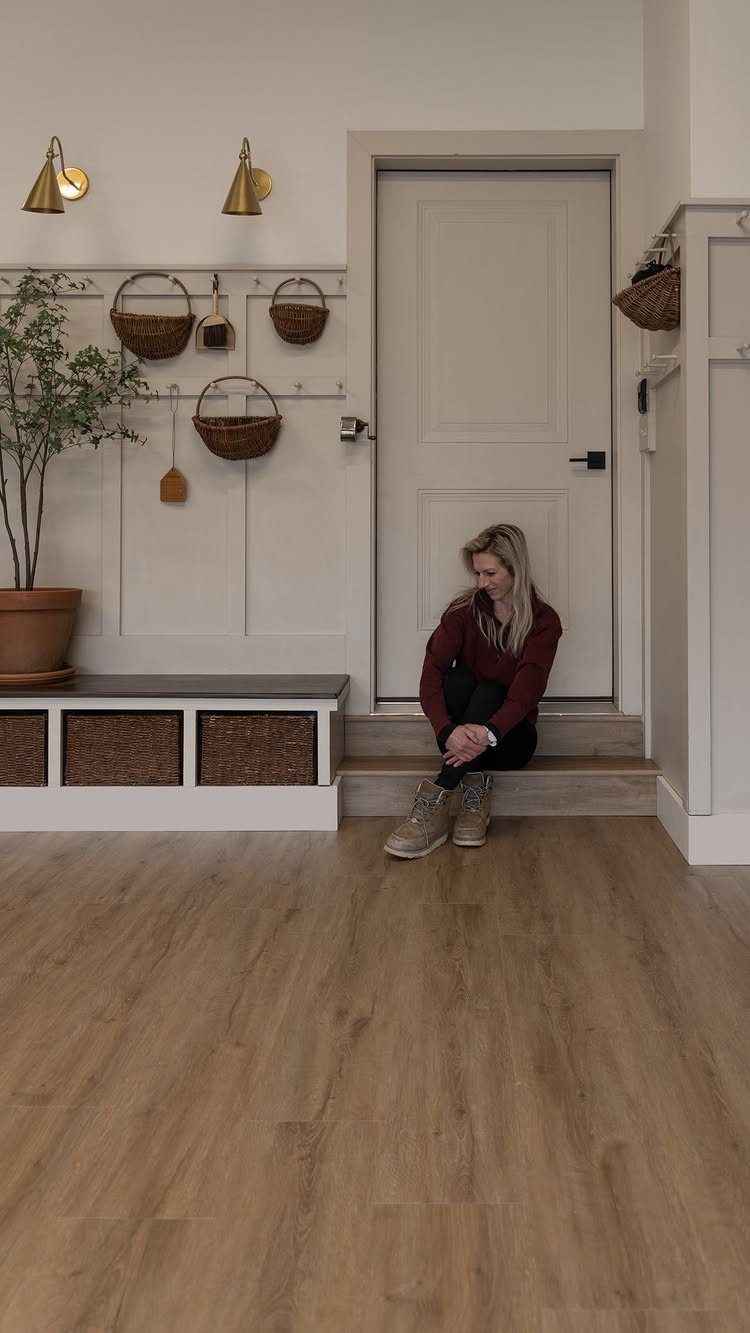
Garage mudroom floors take a beating from road salt, melting snow, and whatever your boots tracked through. I like sealed concrete for a quick weekend fix: sweep, etch, roll on a sealant, and you’re done by Sunday night.
Polyaspartic coating costs more and needs a pro, but it lasts years longer than epoxy and won’t peel where hot tires sit. Tile works if you never see freeze-thaw cycles; otherwise the grout cracks and you’re patching by spring.
A good vinyl plank with a waterproof core looks like wood, mops clean, and handles a wet dog better than laminate ever could.

DEEP PENETRATING WATER REPELLENT — This ready-to-use penetrating concrete sealer soaks into porous concrete and masonry instead of sitting on top, helping reduce water and moisture absorption from rain, snow and seasonal weather. Ideal for concrete driveways, patios, sidewalks and other exposed surfaces where freeze-thaw stress is a concern.

ELASTICITY & EXTENSIBILITY: Waterproof coating sealant can smoothly cover small gaps and cracks, effectively resisting deformation of the substrate. Rubber sealant Initial film formation occurs in 2-4 hours, forming a flexible rubber coating that provides lasting waterproof protection
2. Slatwall Storage
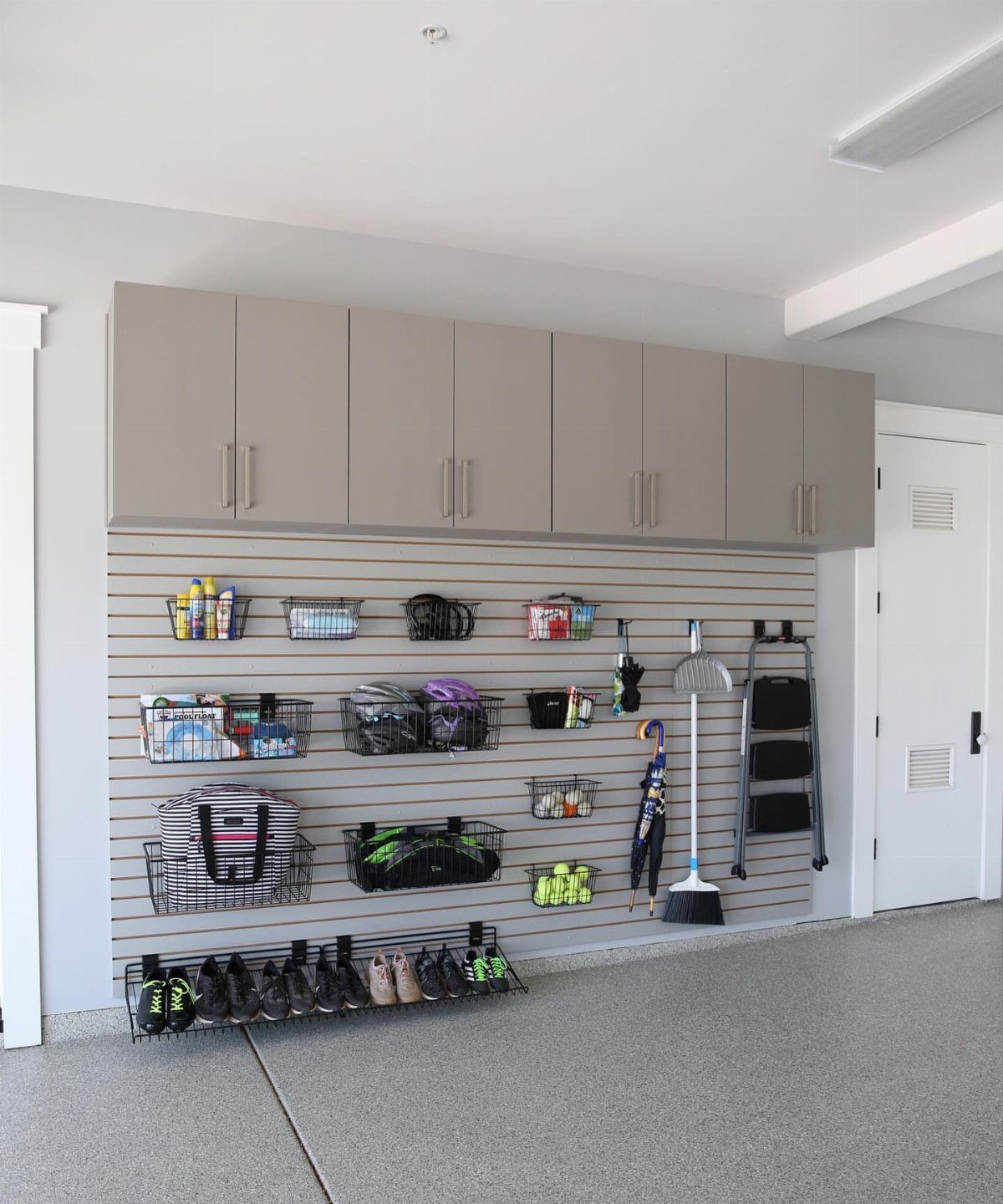
A slatwall system turns the dead middle of your garage wall into usable real estate.
The horizontal grooves take hooks, baskets, shelves, or bins wherever you need them today, and you slide everything around when the kids’ sports change season to season.
I mounted mine floor-to-ceiling and kept the bottom open for the step stool and the dog’s leash; the upper rows hold holiday bins and the ladder I use twice a year.
Check that your studs line up with the panel seams before you order, or you’ll be anchoring into drywall alone. Metal slatwall costs more than PVC but doesn’t sag under a loaded bike rack.

IMPORTANT – WHAT'S INCLUDED: This listing includes PP-80 Polyaspartic Floor Coating only. Epoxy resin, decorative flakes, primers, additional coatings, and other flooring system components are sold separately and are NOT included. Please review the product title and package contents before ordering.

Super low odor formula Low VOC (5 g/l)

ADDS SLIP RESISTANCE: Aluminum oxide–based additive designed to increase skid resistance when mixed into epoxy, latex, or oil‑based paints or stains
3. Shoe Storage Solutions

Shoes multiply in garages the way socks disappear in dryers. A wall-mounted wire rack keeps pairs visible and off the concrete where puddles pool; I hung mine at kid height so they actually use it.
Bins work better for flip-flops and the shoes nobody claims, and a boot tray by the door catches the melt before it reaches your flooring.
Giving everyone less space than they think they need keeps the pile from growing: one pair for daily wear, one for wet or muddy days, and a slot for guests.
Rotate the out-of-season pairs to a higher shelf or a labeled bin, or the rack becomes a junk drawer with laces.

【Multi-function suit】Set of 20pcs slat wall hanging hooks.Contains:4 x Small U Hook,2 x Medium U Hook,2 x Large U Hook,4 x Small J Hook,2 x Large J Hook,4 Single Hooks,2 Velcro straps.

You Will Receive - Our slat wall accessories kit includes a total of 32 baskets and hooks, featuring 4 baskets and 28 hooks!

🥇 What You Get ------ In this kit, You will get 20Pcs 4 Inch Heavy Duty Slatwall Hooks Assortment Kit, Including 20Pcs 4 Inch Slatwall Hooks. Their dimensions are 100 × 24.3 × 74.5 mm / 4 × 0.96 × 2.93 inches (L× W× H). Intotal 20Pcs enough quantity can meet your daily needs, and the combination of different sizes can save your space usage and space planning.
4. Floor Mats

A good mat buys you time between moppings. I run a low-pile runner with rubber backing from the garage door to the bench; it catches grit without tripping anyone and hoses clean in the driveway.
Waterproof mats or trays beneath the shoe rack handle the boots that drip for hours, and I keep a spare rolled up for swap days when the first one saturates.
Avoid anything with a thick pad in a narrow space; the door catches and the edge curls. For a finished look, match the mat width to your bench or your cabinetry so the eye reads it as built in.

[Adjustable 4-Tier Metal Design Fits All Shoes] The over the door shoe organizer features an adjustable structure that flexibly stores various footwear—from flats to boots. Each tier holds up to 3 pairs of heels or small-size flats, or 2 pairs of sneakers (fits up to US size 12). The 4-tier model accommodates 8 –12 pairs. The thoughtful design also supports taller shoes like boots and hightop shoes. With a sleek, stable construction, this shoe hanger is perfect for families and renters seeking a reliable shoe organizer door hanger to maximize storage in compact living spaces

【Expandable Wall Mounted Shoe Rack】Tired of tripping over scattered shoes or struggling to find space for your footwear collection? Our 4-Pack wall shoe racks are designed with remarkable flexibility. They can effortlessly stretch from 17.5" to 31", providing ample space to neatly organize up to 32 pairs of adult shoes. Moreover, it comes with four hooks that can be used for hanging clothes, hats, keys and so on. It can make good use of wall and corner space at home to keep your shoes in order.

High Stability: The premium materials and sturdy connections make structure of wall mounted shoe rack more stable, and can hold up to 44.09 lbs, so you can store various kinds of shoes with confidence.
5. Seasonal Storage

Out-of-season gear owns most garage mudrooms by default, shoving daily stuff to the corners.
Tall cabinets with doors hide the camping coolers and golf bags most of the year, and I label each shelf with a month range so nobody "temporarily" stores a kayak where the snow boots belong come January.
Clear bins on upper shelves let you see what you forgot you had; opaque ones keep the visual clutter down if your cabinets have glass fronts.
A twice-yearly rotation, Memorial Day and Labor Day weekends, with a labeled system means I don’t think about it the rest of the time.

BUILT TOUGH FOR HIGH TRAFFIC: the Gorilla Grip Traffic Guard doormat is ultra strong and built tough to withstand high foot traffic; constructed with a high quality textured rubber backing and raised fabric topside to help scrape off dirt and debris; thick and plush topside is gentle on bare feet, but durable for boots
BUILT TOUGH FOR HIGH TRAFFIC: the Gorilla Grip Traffic Guard doormat is ultra strong and built tough to withstand high foot traffic; constructed with a high quality textured rubber backing and raised fabric topside to help scrape off dirt and debris; thick and plush topside is gentle on bare feet, but durable for boots

BUILT TOUGH FOR HIGH TRAFFIC: the Gorilla Grip Traffic Guard doormat is ultra strong and built tough to withstand high foot traffic; constructed with a high quality textured rubber backing and raised fabric topside to help scrape off dirt and debris; thick and plush topside is gentle on bare feet, but durable for boots
6. Create Cubbies
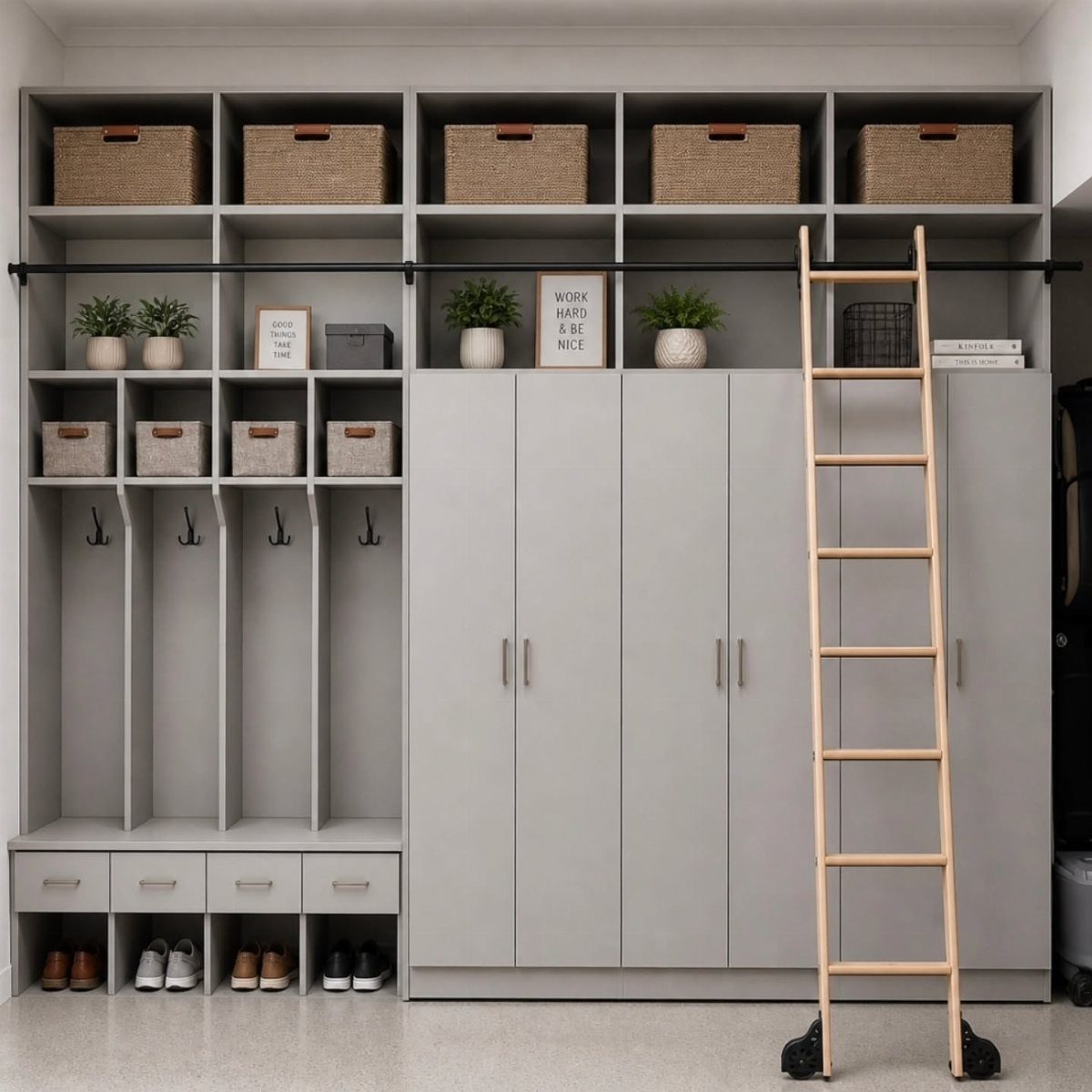
Cubbies give each family member a territory, which matters more than you’d think until you’ve watched two kids fight over the same hook. Label each cubby with names, not numbers, or the youngest will claim the biggest one by seniority.
The lower compartments work best for shoes if they’re deep enough for a pair side by side; shallower ones become a jumble of single shoes you match by sound.

SUPERIOR WATERPROOF & COMPLETE SEALING: Say goodbye to water damage! Erigathe concrete crack filler advanced formula creates a permanent, waterproof barrier that effectively seals out moisture, oils, and chemicals. Protect your concrete from freeze-thaw cycles, corrosion, and further deterioration, ensuring a longer lifespan for your surfaces.

【Complete 4-Pack Concrete Repair Kit】Includes 4 packs of self leveling concrete crack filler (20 oz each), 4 precision nozzles, 4 scrapers, and 4 pairs of gloves. Everything needed for concrete crack repair in one convenient kit, ideal for driveways, patios, sidewalks, and garage floors.

SUPERIOR WATERPROOF & COMPLETE SEALING: Say goodbye to water damage! Erigathe concrete crack filler advanced formula creates a permanent, waterproof barrier that effectively seals out moisture, oils, and chemicals. Protect your concrete from freeze-thaw cycles, corrosion, and further deterioration, ensuring a longer lifespan for your surfaces
7. Family Lockers

Family lockers give each person a wall of their own. Gray built-ins with open cubbies and hooks keep coats and bags off the floor, and a labeled top rail ends the morning hunt for whose stuff is whose.
Two pre-fab pantry cabinets plus a 1×12 pine bench board make a solid locker bank without custom woodworking. Paint the whole unit one color and the seams disappear.
Names go on with a vinyl cutter or a steady hand and a paint pen.
Skip the doors if your crew is under ten; open cubbies mean they might actually use them. Add doors for teens who want their mess invisible.

Polyaspartic Garage Floor Coating: Use this polyaspartic clear coat as a clear garage floor top coat over prepared concrete, epoxy base coats, flakes, metallic effects and solid-color systems; creates a high-gloss finish


RAPID-CURE POLYUREA FOR 1-DAY FLOOR SYSTEMS – Two-component, high-performance polyurea basecoat engineered for fast installation and same-day return to service when used in a full flake broadcast system.
8. Bench with Storage
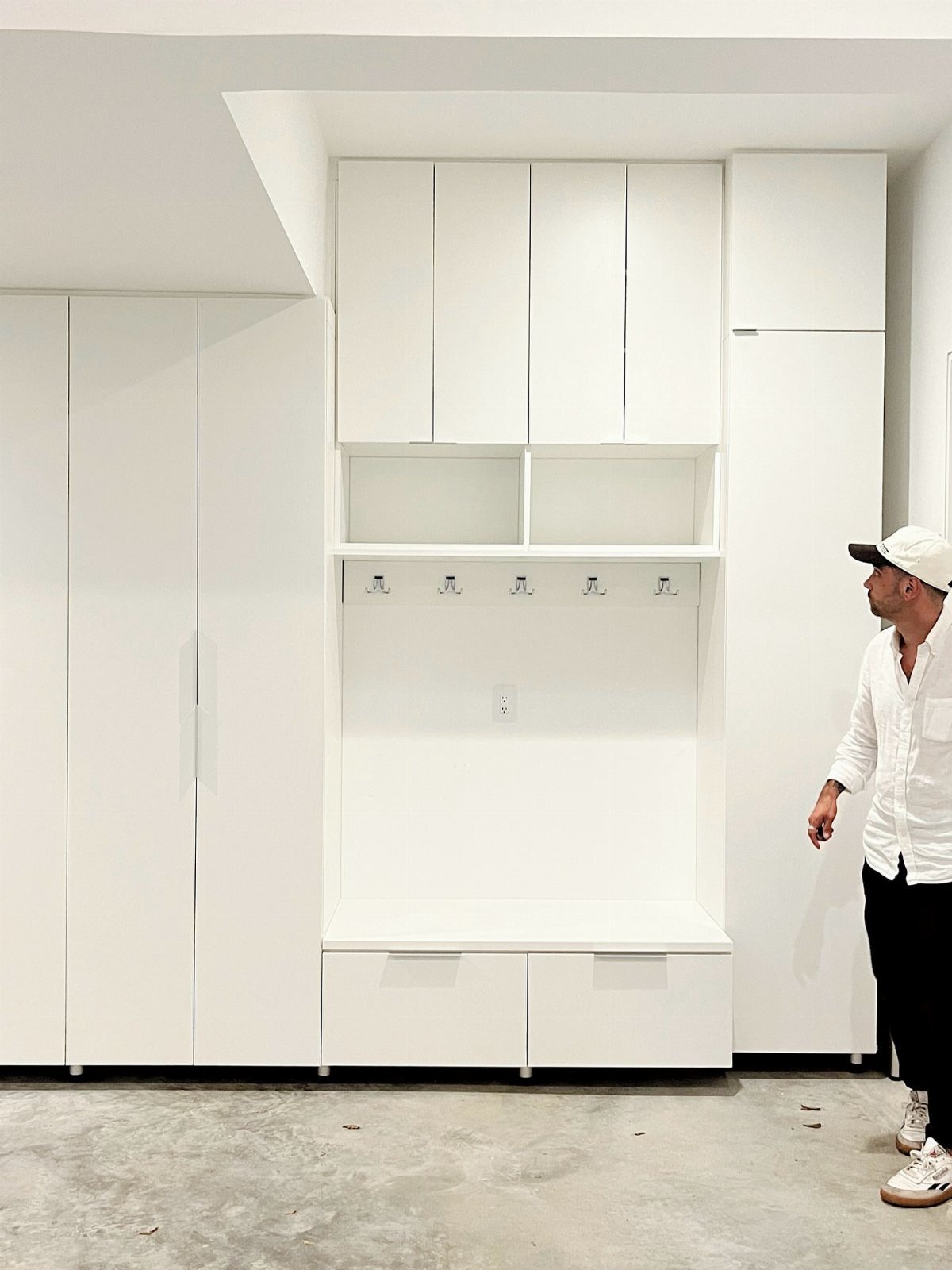
A bench with storage underneath turns the mudroom into a place you actually sit down. Drawers under the seat beat reaching into a dark cabinet with muddy hands.
Drawers on soft-close slides hold shoes flat and keep the top clear for grocery bags or a kid tying their laces.
Built-in wins for a permanent garage spot, but a solid wood kitchen bench with the legs cut to length works in a rental. Throw a washable cushion on top; bare plywood gets cold in January.

Multi Sizes Slat Wall Accessories Kit: This set includes 34 pieces of slat wall accessories in 9 different sizes. The collection comprises 4 slatwall baskets, which are designed to accommodate various tools for use in the garden, workshop, store, or studio. Our proslat accessories are engineered to meet your daily organizational needs by optimizing space efficiently.

VALUDED PACKAGE: Our slatwall accessories kit comes with 12 pack slat wall bins with 12pcs matching metal slatwall hooks, forget buying extras, every part fits flawlessly right out of the box. Install, detach, or rearrange in seconds – total flexibility, convenient and pratical. Please note: Not included the slat wall panel

SLAT WALL ACCESSORY KIT – includes 35 pieces: 3 slatwall baskets, 3 slatwall bins, 20 multi-type slat wall hooks, 2 wooden slat wall shelves, and more.
9. Organizational Labels

Handwritten labels on black bins look like someone lives here, not a warehouse. The reader’s eye finds "SUMMER TOYS" in half a second, and half a second is all you get before someone drops the bin in the wrong spot.
I use a Sharpie on masking tape for the first month, then peel and replace once the category sticks. Permanent labels commit you to a system that might not fit next season.
Paper labels fail in humid garages; laminate them at the library for a quarter, or write directly on the bin with a paint pen and mineral spirits when you change categories.
Beauty matters less than your kid actually putting the bin back.

【Practical Shoe Shelves】There are 2 shoe racks that can be mounted side by side or up and down to accommodate different shoes, such as slippers, sandals, leather shoes, and sports shoes. The unique slopping design makes it convenient to place and access your shoes.

[Space Saving Storage] Maximize unused vertical space with this wall mount shoe rack and hanging shoe rack for door, designed to turn cluttered entryways and bedrooms into tidy, organized spaces. Whether you live in an apartment, dorm, or compact home, this door shoe organizer helps keep sneakers, flats, sandals, and kids’ shoes neatly stored without taking up valuable floor space. The slim hanging shoe organizer design fits seamlessly behind most doors, making daily organization easier and more convenient

[Heavy-duty Metal Wire Frame]: Crafted from heavy-duty metal wire, the wall-mounted shelves boast great sturdiness, strength and substantial weight capacity. Additionally, each shelf features a spray-coated surface for long-lasting use.
10. Pet-friendly Features
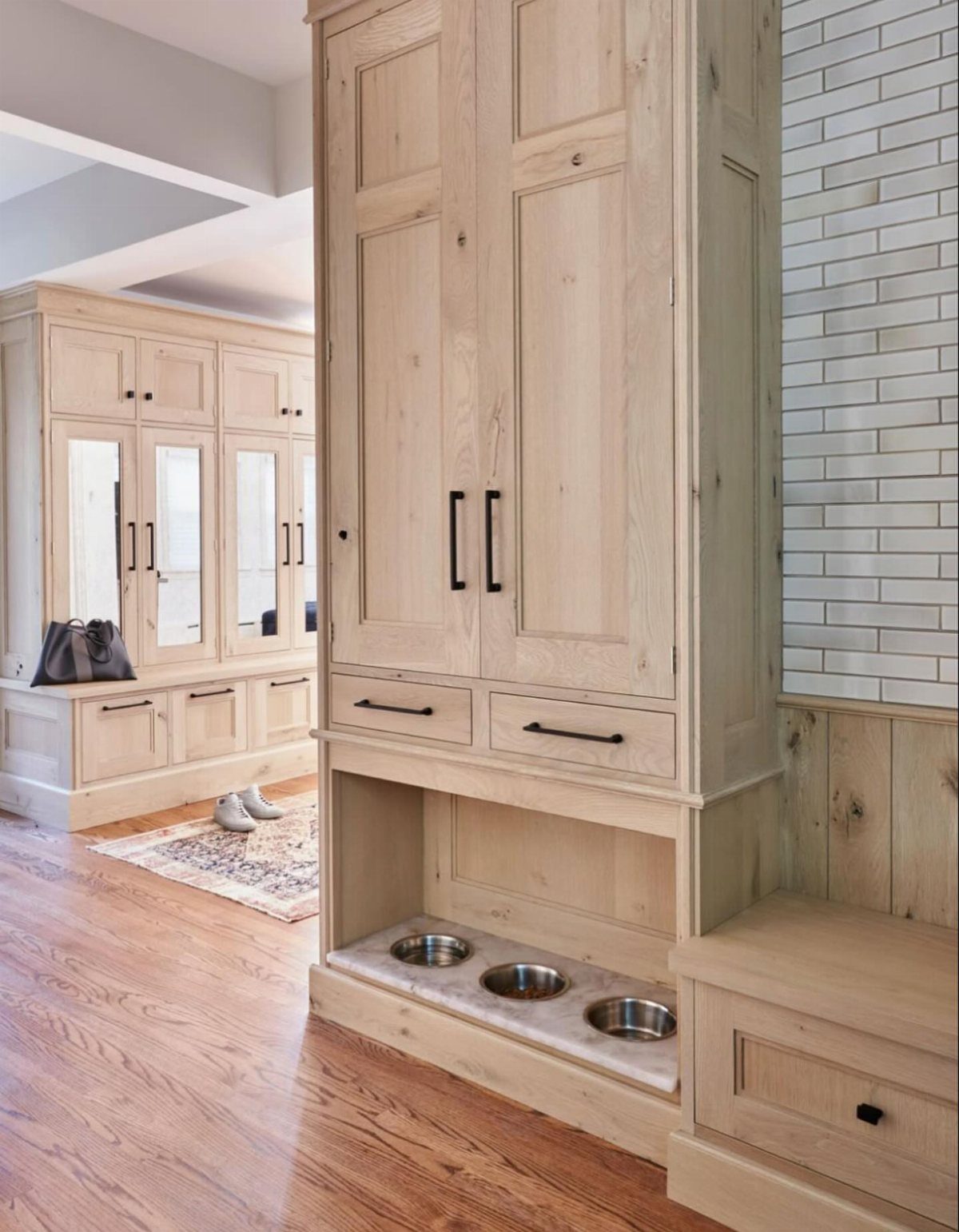
A marble-topped feeding nook with three bowls built into the base cabinet keeps the dog station from colonizing the kitchen. The wood finish here matches the lockers, so the pet corner reads as planned, not patched in.
A pull-out drawer above the bowls holds the food bag so you are not lifting from the floor every day. A hook at kid height for the leash means the dog gets walked by someone other than you, sometimes.
A washing station sounds luxurious until you price the plumbing. For most garages, a heavy rubber mat and a bucket by the door handles muddy paws fine.
Build for the feeding and the leash; upgrade to the wash station when you remodel the laundry room too.

HEAVY-DUTY DURABILITY – Built for high-traffic areas, this commercial floor mat (3 x 5 feet) offers reliable performance and long-lasting use.

Keep Floors Clean & Dry: This boot tray for wet shoes traps water, mud, and snow, protecting your floors from messy boots, sneakers, and high heels. The rubber boot tray design is ideal for entryways, garages, and mudrooms

BUILT TOUGH FOR HIGH TRAFFIC: the Gorilla Grip Traffic Guard doormat is ultra strong and built tough to withstand high foot traffic; constructed with a high quality textured rubber backing and raised fabric topside to help scrape off dirt and debris; thick and plush topside is gentle on bare feet, but durable for boots
11. Umbrella Holder

A wall-mounted holder by the door beats the umbrella vase that tips when you bump it with a hockey bag.
The black rack here carries two full-size umbrellas plus a compact, with a shoehorn clipped on the side; everything leaves dry, everything returns findable.
Mounting on the door frame instead of the wall steals zero floor space. Check the swing: the holder needs to miss the door edge by an inch or the umbrellas get pinched every time you pass.
Skip this if your climate runs dry half the year. In Seattle or Miami, it earns its spot.
The shoehorn is the sleeper hit; once you stop fighting boots with your thumb, you will wonder why you waited.
DIY Options for Mudrooms
Organizational products do the heavy lifting: woven baskets corral shoes, hats, and gloves into something that reads intentional, not leftover. Hardware swaps matter more than you’d expect.
Swapping the builder-grade hooks for black iron or brass ones, or switching out cabinet pulls, adds weight to the wall and packs up when the lease ends.
For about $250, you can build a system that holds up to real traffic. Caulk the seams where trim meets wall; that single step is what makes a Saturday project look like it cost more than it did.
Add a chalkboard or a small message board if you want the space to feel lived-in, not catalog-ready.
Importance of Organization
An organized mudroom saves more time than a clean kitchen, because you hit it twice a day under pressure.
When everyone knows where the boots go, the morning argument about missing shoes disappears, and that alone is worth the shelf space.
A labeled bin for each season pays for itself by March, when you find both gloves instead of buying a third pair.
What looks like overkill in September earns its keep in January when the snow hits and you’re not digging for a boot tray.
“Determine the three most important uses for the space and let those drive floor plan and storage decisions,” English suggests. Britt shares some additional mudroom ideas.
Choosing Materials
Materials have to handle that without asking for attention every spring. Nonporous floors mop clean fast, which matters when you’re doing it twice a week in March.
Metal cabinets hold up better than particleboard where humidity shifts. Heavy-gauge steel doesn’t swell or sag, and it doesn’t mind the car dripping on it.
For hooks and hardware, stainless steel, aluminum, or galvanized steel resist rust; brass and bronze work too if you prefer the tone. Mesh baskets or solid plastic bins clean up with a hose or a wet cloth.
Skip anything that needs dry indoor air to survive.
Frequently Asked Questions
How can I use my garage as a mudroom?
Pick a spot between the garage door and your house entry, then build up from the floor.
Sealed concrete or vinyl plank handles the wet and grit; a slatwall or mounted shelving system keeps gear off the floor; hooks, cubbies or lockers give each person a landing zone.
Plan around the studs and the traffic line, not the other way around.
What shouldn’t be stored in a garage?
Stick to common sense: anything temperature-sensitive or attractive to pests. Paint, electronics, and paper records suffer in freeze-thaw garages; pet food and linens draw rodents.
Your mudroom gear, by contrast, is built for this space.
Do mudrooms add value to a home?
They can, especially when buyers picture their own coats and boots landing there. Realtors note that ready-made storage solutions help people see easy living in a house.
Return on investment matters: cap cosmetic spending if you’re selling soon, and check local comps before you commit.
How much does it cost to add a mudroom to a garage?
Cost swings hard based on what you choose. A sealed concrete floor, wall-mounted racks, and a hand-built bench run a weekend and your own labor.
Polyaspartic flooring or metal slatwall systems push the price up, and custom built-ins sit at the top. DIY projects stay friendly; pro work changes the math entirely.
Do I need permits to build a garage mudroom?
Permits usually aren’t needed for interior shelving, benches, or wall-mounted storage, though local laws vary. If you’re adding plumbing for a pet wash station or hardwiring new outlets, your city likely wants a look.
A quick call to your local building department settles it; interior carpentry usually doesn’t trigger the same review as electrical or plumbing work.
What’s the ideal depth for garage mudroom cabinets?
Twelve to eighteen inches is the standard range, deep enough for shoes side by side or baskets that don’t tip.
Build cubbies deep enough to fit a pair of kid sneakers flat; anything shallower and you’re fishing for mates in a pile. For coats and bags, hooks beat cabinets anyway, since air circulation matters in a humid garage.