


You can eat an orange in your California bathtub without breaking any law. No state statute or city code actually bans it. The myth circulates online without any real ordinance numbers or arrests to back it up.
The actual concerns are practical: citrus juice makes bathtubs slippery, peels create cleanup work, and juice can irritate your eyes. Sticky residue might attract mold if you don’t rinse thoroughly. So legally you’re fine, but the real hazards are safety and mess.
Understanding where this myth comes from reveals surprising details about how false rules spread.
California Doesn’t Prohibit Eating Oranges in Bathtubs
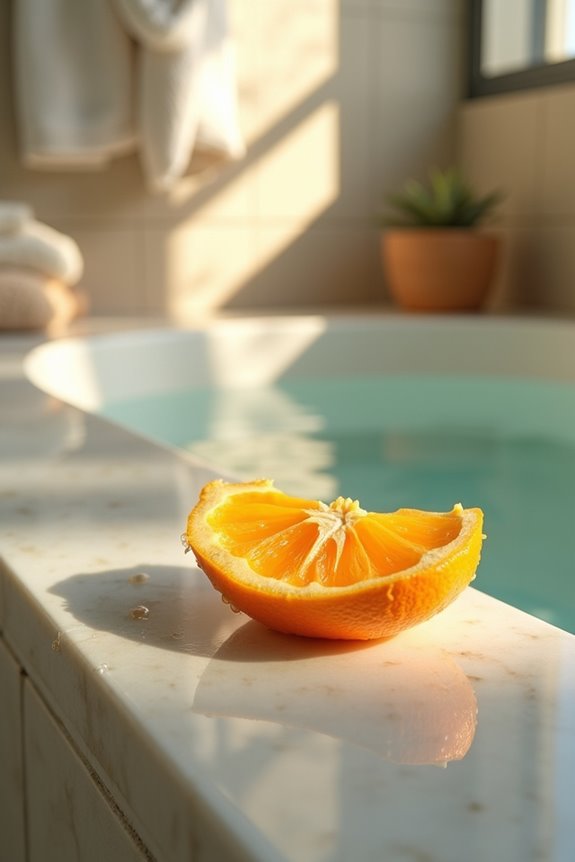
Ever wonder if California has some weird law tucked away that forbids eating an orange while you’re soaking in the tub. California’s legal codes don’t prohibit eating oranges in bathtubs. I checked the state statutes and municipal codes thoroughly, and there’s nothing banning this act anywhere.
This legal myth has circulated online for years, but it’s completely unfounded. No arrests, fines, or court cases document anyone getting in trouble for citrus in bath situations. The legality is straightforward: you can eat oranges in your bathtub without legal consequences.
That said, practical considerations matter. Citrus juice can be slippery, and cleanup takes effort. California law permits this activity without restriction.
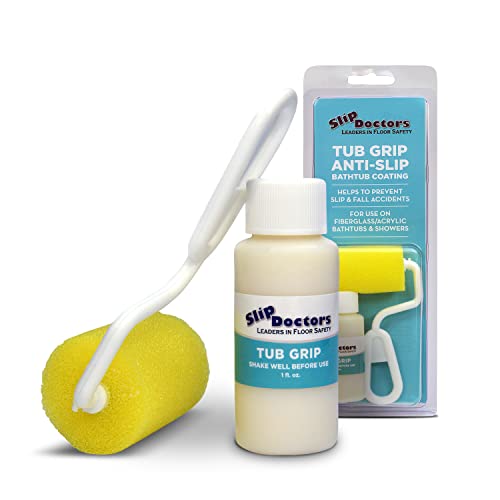
ROLL-ON ANTI-SLIP COATING: The anti-slip coating by SlipDoctors is excellent for use on fiberglass, acrylic and other surfaces. This convenient coating is the perfect...
Where This Myth Actually Came From
Now that we’ve cleared up the legal facts, you might be wondering where this strange idea started in the first place.
This California law myth actually comes from several sources blending together:
- Online compilations spread the story across Reddit, TikTok, and Instagram without citing actual ordinances or statute numbers
- Early 1900s plumbing concerns may have inspired local rules about citrus waste oils clogging hotel pipes, which got exaggerated over time
- Historical statutes from California’s agricultural era possibly contained hyper-specific rules that people misremembered and twisted into legend
- Urban legend characteristics make these quirky stories stick; they’re memorable, shareable, and appeal to our love of surprising legal myths
The bottom line: Nobody can point to actual California law banning bathtub oranges because it doesn’t exist. We’re all just passing along folklore.

PATENTED DESIGN WITH POWERFUL SUCTION GRIP: a bath mat designed to securely stay in place; this patented bathtub mat features hundreds of suction cups that effectively help secure the tub mat to your shower floor

NON-SLIP LARGE BATH MAT: The superior bath and shower mat is 39 x 16 inch for maximum coverage, 30% Longer than standard bath mats that smaller leaving parts of your tub exposed. Our tub mats features 200 special large suction cups and help hold in place on smooth, clean surfaces. Perfect choice for home, spa, sauna, gym bath and shower and more.

NON-SLIP DESIGN: Features a textured surface and strong suction cups on back for secure grip and placement in tub or shower
Real Risks: Slips, Peels, and Practical Hazards
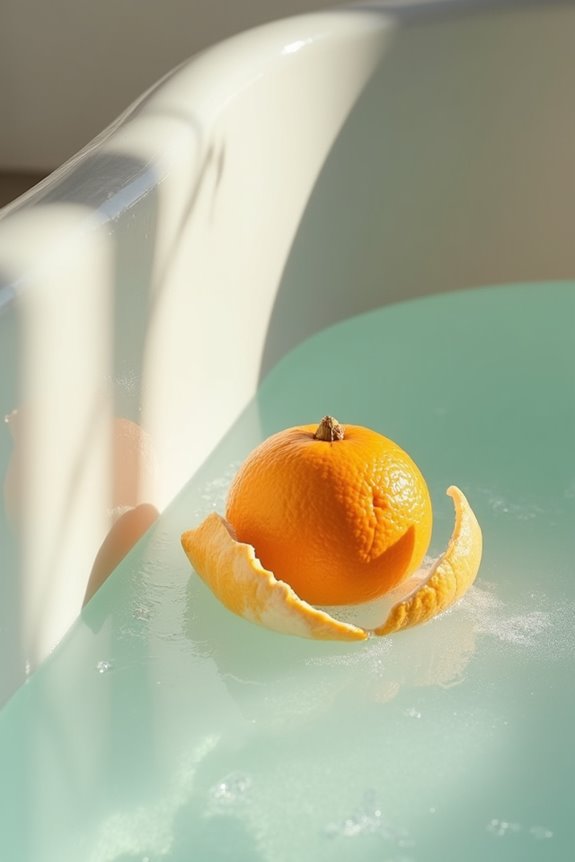
So what’s the real danger if you decide to eat an orange in your bathtub? While there’s a legal void around this activity, the actual risks matter more than any law. Orange peels create serious slip hazards on wet porcelain or fiberglass surfaces, dramatically increasing your fall risk. Citrus juice can irritate your eyes in a wet environment. Sticky residue attracts mold and mildew if you don’t clean thoroughly. In apartments, this mess could trigger housing codes violations under nuisance rules. Personal safety means thinking through bathtub safety before eating there. You’re free to do it legally, but practical hazards like slippery peels, eye irritation, and cleanup challenges are genuine concerns worth considering first.
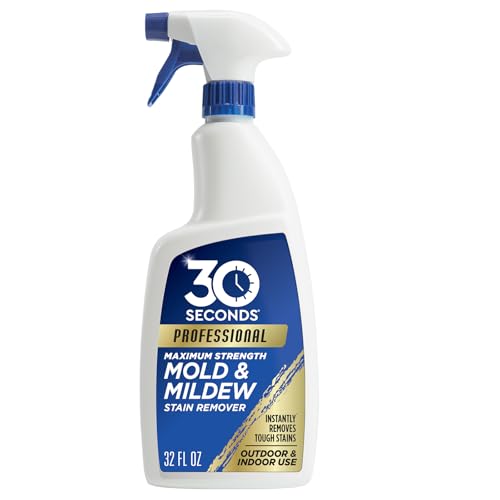
BRIGHTER RESULTS INSTANTLY: Noticeably brightens indoor and outdoor surfaces, removing black mold and mildew stains as you watch, with no scrubbing or pressure washing required for fast, visible results

Fast and Effective: ACTIVE Seal & Grout Stain Remover is a Powerful Whitening Deep Cleaner. Mildew Stain Remover has an Instant Effect in Minutes to Quickly Clean Mold Stain and Eliminate Unwanted Musty Dirt and Grime

MOLD REMOVER: One 32 fl. oz. spray bottle of Clorox Plus Tilex Mold and Mildew Remover that harnesses the power of Clorox bleach to kill mold and mildew
Why This Myth Spreads Despite No Legal Basis
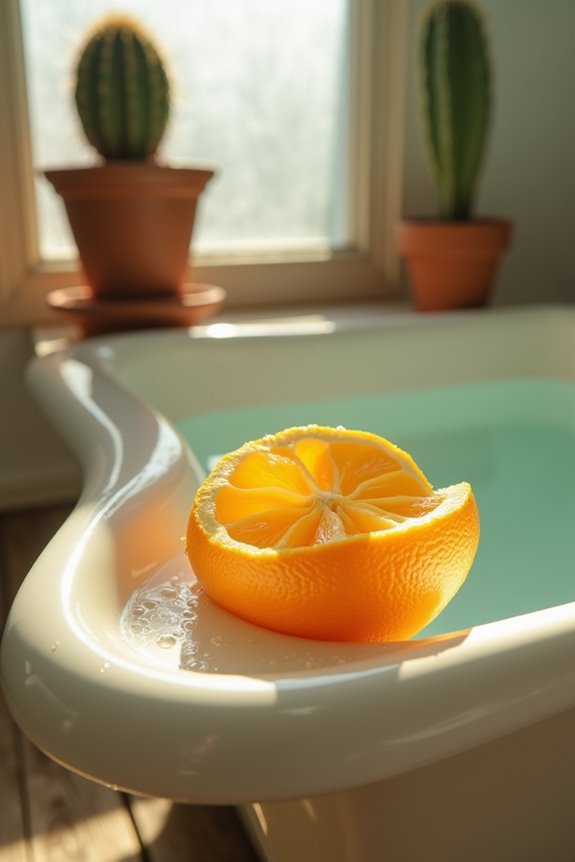
Why does this orange-in-the-bathtub rule stick around so firmly when it doesn’t actually exist anywhere in California law? The myth thrives because it’s memorable and shareable.
This orange-in-the-bathtub myth thrives because it’s memorable and shareable, not because California law actually prohibits it.
Several factors keep it alive:
- Internet culture rewards surprising rules – People love sharing weird “facts” on Reddit, TikTok, and Instagram
- No one verifies the source – Folklore claims a 1920s ordinance, but no statute number or legal code supports it
- It sounds plausible – A bathroom safety ordinance feels real enough to believe
- Humor makes it stick – The absurdity of the image makes people repeat and share it
No arrests, fines, or prosecutions for eating citrus in a bathtub exist anywhere in America. Official statutory research confirms California has no such law. The myth persists because it’s entertaining, not because it has any legal foundation.

Size - This diameter of this shower drain hair catcher is 2.79 x 1.75 x 0.74 inch. 2PCS bathtub drain cover fit for the drain hole between 1.75 inch to 2.79 inch.

UPGRADED COLLAPSIBLE DOWNSTREAM HAIR CATCHER: Our collapsible sewer hair catcher is equipped with small holes to easily catch hair without clogging the drain, and effortlessly prevents toys or objects from going down the drain. Our hair catcher keeps dirt out of the bathroom.

Drain Hair Catcher : Made of flexible Thermo-Plastic-Rubber, anti-slip, characterized by resilience and abrasive resistance. Use time is very long.
You Can Legally Eat Oranges in Your Bathtub
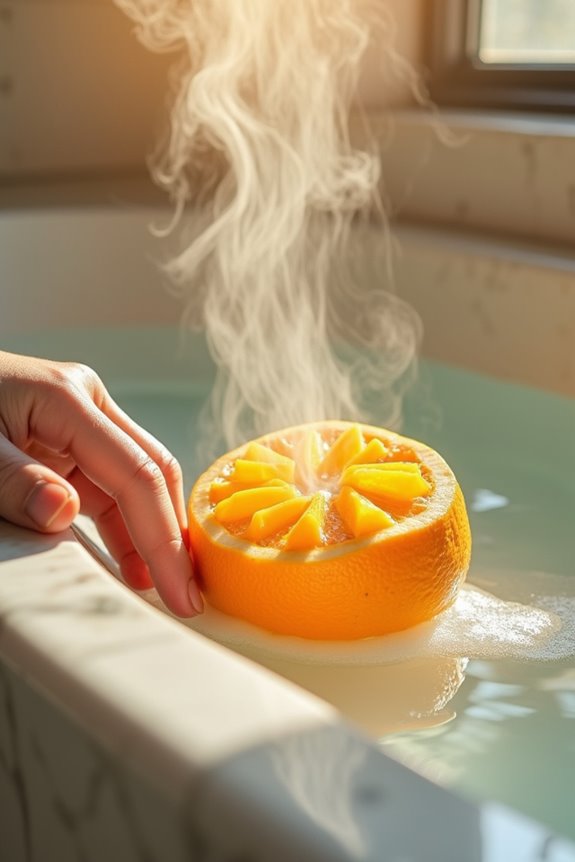
What if I told you that you’ve been worried about breaking a law that doesn’t actually exist?
You can eat oranges in your California bathtub without legal trouble. I’ve verified this through California’s legal codes, and there’s no ordinance prohibiting it. No statute bans bathtub orange consumption anywhere in the state.
Legal verification across multiple databases confirms this. You won’t face fines or arrests for enjoying orange slices during your bath.
That said, safety matters. Orange juice can make surfaces slippery, so watch your footing. Citric acid might irritate sensitive skin if you’re soaking long-term. These are practical concerns, not legal ones.
You’re free to enjoy your oranges. Just be mindful of the physical risks, not imaginary legal ones. An informed approach means understanding actual hazards rather than worrying about regulations that don’t exist.

Industrial Grade Protection - MELASA protective goggles meet ANSI Z87.1 Safety Goggles Standards and CE EN166 certificate requirements, designed for industrial, commercial, and housework.

Specially designed chem goggles for laboratories.

ANTI-FOG AND ANTI-SPLASH: The lens surface is treated with a specialized anti-fog and impact resistant coating, ensuring that your vision remains clear even in high humidity environments or during strenuous activities and preventing chemical splashing effectively.