


Most temporary dog fences stand between 4 and 6 feet high, but that height only works if your dog isn’t a jumper, digger or climber.
A determined hound will tunnel under a 6-foot barrier, while an athletic breed can clear 4 feet without effort.
Options range from plastic snow fence you stake in an afternoon to free-standing kennels with roofs that eliminate the escape route entirely, and the right choice depends on what your dog actually does when you’re not watching.
1. Plastic Mesh and Snow Fence
Plastic mesh and snow fence offer a highly visible, inexpensive barrier that works well for supervised containment or temporary patches.
The standard size is 4 feet high by 100 feet long, though you can find shorter heights and smaller rolls if you need less coverage.
I reach for this type when I need a quick fix or a short-term enclosure, like closing a gap in an existing fence while waiting on permanent repairs.
It shows up at construction sites and dog sporting events, where dogs stay under verbal control or on leash.
Securing it is where this option gets tricky. You can drive metal rods through the mesh or wrap it around trees if your yard allows for that, but neither method holds up against a determined dog working the base.
For an unsupervised dog with any tendency to dig, push, or chew, this fence will not reliably contain them. The mesh itself is light enough that a strong pull can dislodge it even with stakes in place.

EASY TO USE: The auger kit comes with a 6-inch wide by 32-inch long auger, a universal handle, and everything you need to connect it to your drill. Be up and running in minutes!
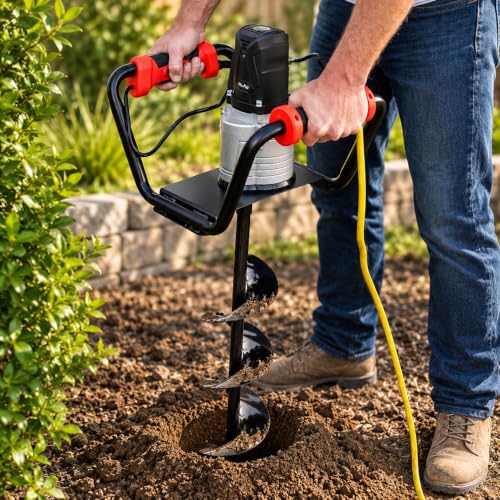
HOLE DIGGER MACHINE - Perfect for installing fence post, deck, planting tree and many other lawn applications and even ice fishing with specialized electric ice augers. It's the ideal digging tool for any homeowner or professional landscaper
2. Wire Mesh, Welded Wire and Chicken Wire
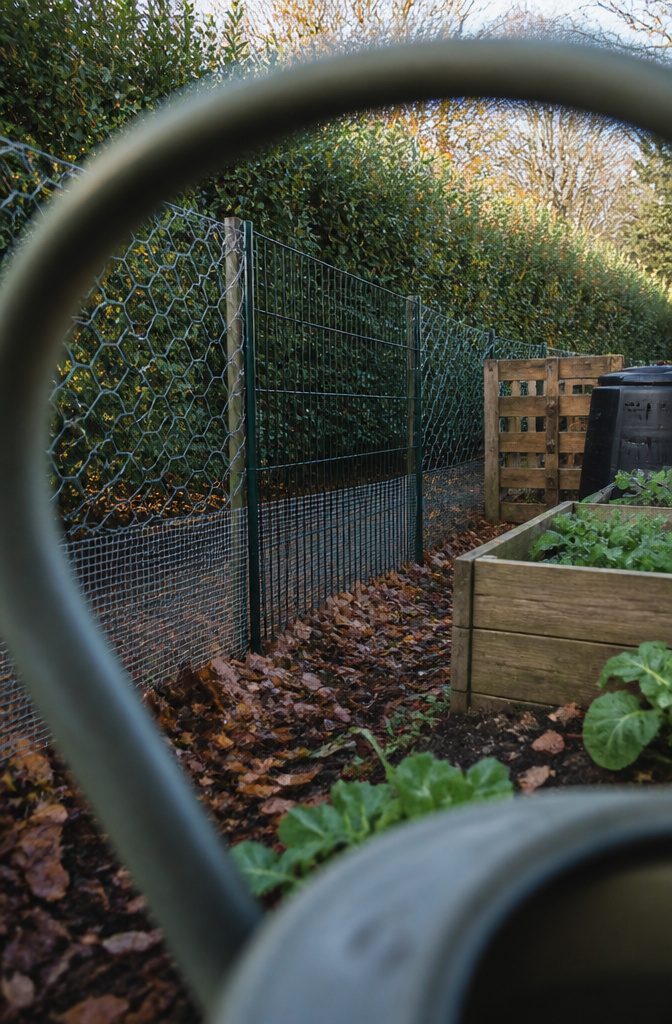
Wire mesh, welded wire and chicken wire all act as see-through physical barriers that let you watch the dog while keeping the boundary clear. The difference comes down to wire gauge and how you anchor it.
Chicken wire uses thinner, more flexible galvanized steel and is the easiest to shape around corners or awkward yard edges, though it can be frustrating to handle over large areas.
Welded wire is stiffer and stronger, made of galvanized steel with a black vinyl coating that makes the fence less visible. That rigidity works well against digging and chewing, but precise installation matters or the fence loses effectiveness.
For gardens where rabbits or other small pests are the issue, I look for closely spaced rabbit-guard mesh rather than standard chicken wire.
The mesh tightens at the bottom of the roll, so small animals have a harder time squeezing through. Chicken wire still has a role, especially when stapled or wired to an existing fence post to close gaps.
Lighter wire costs less and bends easily, but heavier welded wire brings you close to the expense and effort of building a permanent fence.

Upgrade iCover Privacy Screen For Fence: Our privacy screen is made of heavy-duty knitted net, measuring 4 ft high by 50 ft long. It is suitable for fences with a height of 4 ft or slightly higher. Please accurately measure your fence before purchase

Enhanced Security: Enjoy increased privacy and protection with chain link fencing Tape (Material Depth 0.52 mm); easily integrate privacy fence tape for a more secluded outdoor space

Sturdy Construction: Built to withstand harsh weather conditions, this chain link fence wire netting is crafted from 9-gauge black vinyl-coated galvanized steel, providing exceptional rust resistance and long-lasting durability. The design minimizes sharp edges or burrs, ensuring a sturdy and weather-resistant construction ideal for extended use.
3. Exercise Pens
Exercise pens are interlocking panels you can set up in minutes to create a temporary enclosure anywhere in the yard. Most outdoor models come in heights between 4 and 6 feet, which matters if your dog is a jumper or climber.
The panels connect using built-in clamps or clips, and I find the clip-only versions more secure than gate models, since gates can pop open if the latch isn’t perfect.
Just open the clips when you want to let the dog out.
The panels anchor to the ground with metal stakes that come with most kits, which keeps the fence from shifting when a large dog leans or pushes.
Brands like FXW Rollick and Midwest make panels sized for outdoor use, and setup usually takes less than an hour.
When you’re done, the panels fold flat or nest together for storage, which makes them practical if you only need the fence part of the year or want to move it between different spots in the yard.

DIMENSIONS: Each unit is 41" H x 44" W and includes 2 complete fence panels with posts for a total of 88in of fence.

Animal Barrier Fence : Garden fence is suitable for use as a path edge fence stakes, lawn, garden, vegetable garden border fence, and can effectively prevent is dogs, cats, rabbits, chickens or other rodents entering your garden to form a protective. It does not digging and easy to install. In addition to its practical uses, this garden fencing dog fences for the yard can also serve as a decorative element for your garden

GARDEN FENCE ANIMAL BARRIER: Each garden fence measures 29" wide, 33" high, 1.4" gap, comes with 11 metal stakes, a set of 10 panels connects to 24 feet in length, these tall garden fences making it strong enough to prevent animals from entering & leaving, dog digging, and even keep rabbits away from your plants.
4. Free-Standing Kennels
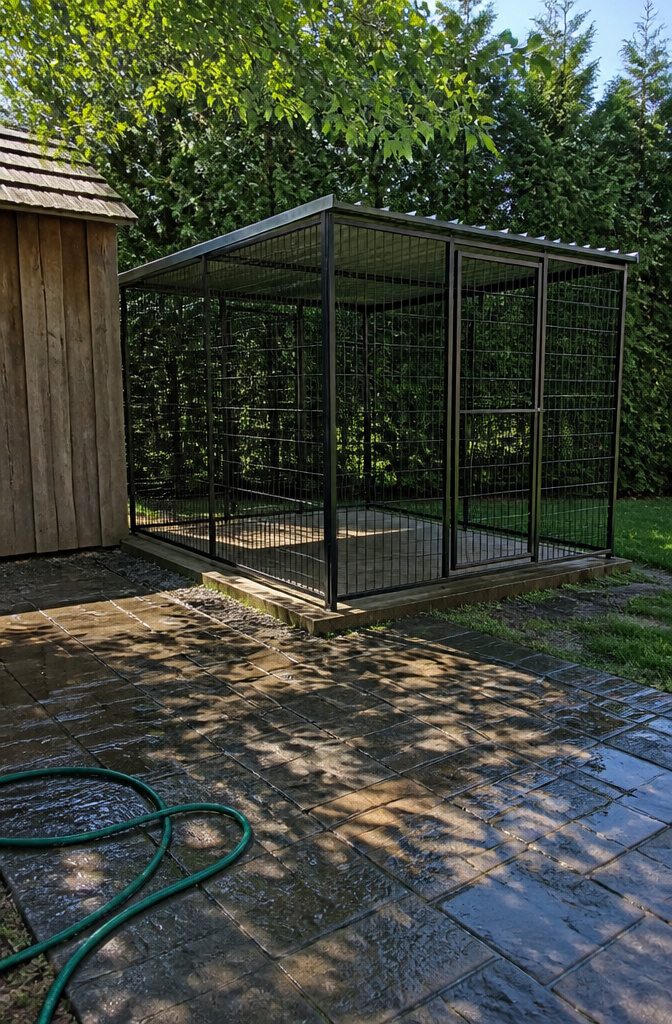
Free-Standing Kennels
A free-standing kennel is the most secure temporary option if your dog is a climber or a jumper.
The fencing runs tall enough that even athletic dogs struggle to clear it, and models with a roof eliminate the escape route entirely.
Setup is quick because nothing anchors into the ground, and the roofed versions throw shade on their own.
You pay more for a better-looking kennel.
A kennel large enough to give a dog room to move costs more than any other temporary fence on this list, and the cage-like look is hard to disguise if that matters in your yard.
For backyards where function wins over aesthetics, brands like Veikhous, Retriever Lodge, KennelMaster, and K9 Kennelstore deliver the containment without much else to think about. If your dog has already beaten lighter fencing, this is where I would start.

TOTAL 30 PANELS, 42.5FT LONGER SIZE - Included 30 panels of fences, total length: 42.5 feet, more fences, and longer lengths can meet more of your needs, including filling the gaps under the bottom of the existing fence, building garden edging border, surrounding the garden bed to avoid plant damage, etc

UPGRADED 1.25IN GAP SPACING GARDEN FENCE ANIMAL BARRIER - Upgraded 1.25-inch gap spacing design can fill gap in the bottom of the origin fence more efficiently, extend the protection range of the original fence, prevent the dogs from digging out of the fence, keep small animals out of your yard, protect your garden, yard and patio

【Complete Set for Wider Coverage】Includes 30 metal fence panels, 60 cable ties, 1 pair of gloves, and 1 pair of cutting pliers. With a total length of 42.5 feet and a 13-inch height, this garden fence animal barrier provides wide coverage and works as a decorative garden border for various outdoor and bottom blocker to help protect your backyard from pets and small wild critters.
5. Metal No-Dig Panels
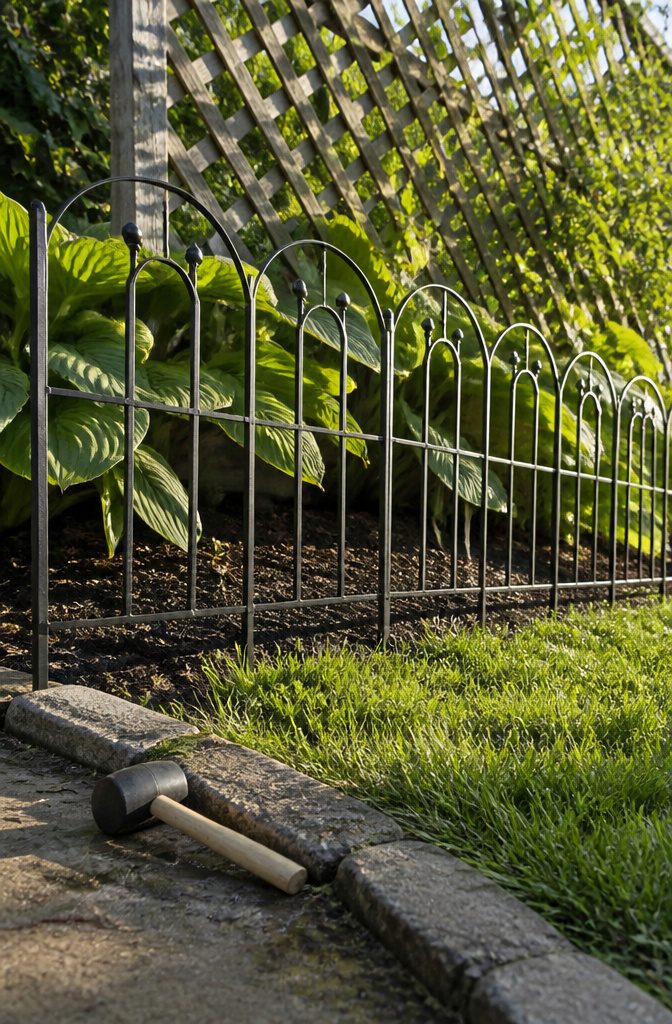
Metal panels that drop straight into the ground with no post holes are about as fast as installation gets.
Most models stand 24 to 48 inches high and lock together with interlocking tabs or stakes that you drive through the bottom rail with a rubber mallet.
The panels slide into soil or lawn without digging, which makes them appealing for renters or anyone who wants to avoid disturbing a planted bed.
The problem is stability. Without concrete footings or set posts, these fences rely entirely on shallow ground stakes, and a determined dog can push them over or dig underneath if the panel height is marginal.
I would use them for small dogs or calm breeds in a low-traffic part of the yard, but not as primary containment for a jumper or a digger.
The speed of setup does not fix the fact that the anchor is only as deep as the stake, and most stakes sit no more than six inches down.
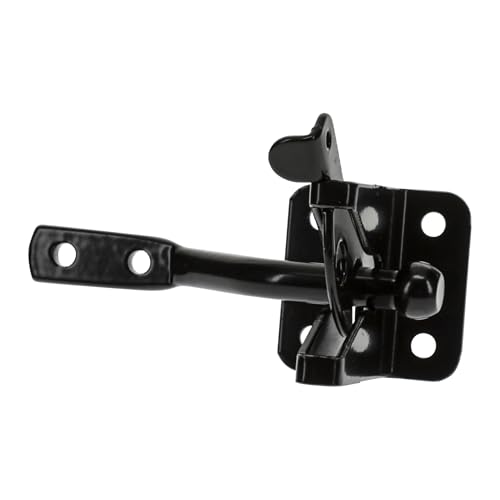
AUTOMATIC GATE LATCH: Self latching gate latch mechanism provides hands-free convenience for outswing gate latches, doors and animal pens with fingertip release that engages automatically upon closing for secure operation.

This gate latch is made of Galvanized steel, It is durable and Anti-Rust.

【Self Closing Gate Latch】Privacy gate latch made from heavy gauge steel construction with superior black powder coat finish & zinc plated corrosion resistance, designed to offer simple but solid security for fence gates and doors, features a self-latching fingertip release with durable steel spring cable pull.
6. Portable Panel Systems
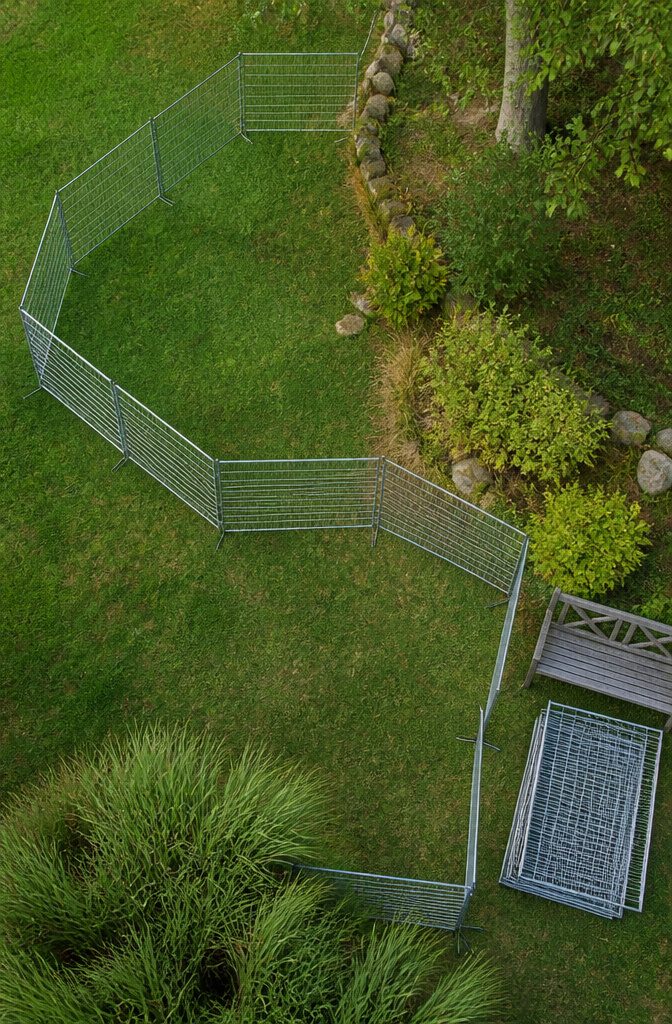
Interlocking metal or heavy-duty plastic panels give you a fence you can move, reconfigure, or take down when the season changes.
The panels typically measure 4 to 6 feet in height and connect using built-in clamps or locking mechanisms, so you can build rectangular, square, or even circular enclosures depending on what the yard allows.
Professional-grade options in galvanized steel or powder-coated aluminum hold up better than lighter plastic versions, which work fine for smaller or calmer dogs but tip more easily under pressure.
Installation usually takes under an hour.
Most systems include ground anchors or stakes that keep the panels from shifting or tipping when a dog pushes or climbs. That anchoring matters more than the panel weight itself, especially with larger or active breeds.
One advantage over permanent fencing is that portable panels handle uneven ground without extensive prep work. They also fold or nest flat for storage, which makes them practical for renters, travel, or yard areas that change function through the year.

An Ingenious Snap-fit Connection: Unlike conventional threaded joints, this post hole digger manual uses a spring-loaded locking mechanism with double-layer reinforcement at the connection. It effectively withstands lateral pressure during digging, greatly reducing the risk of the pole bending or loosening over time. The all-stainless-steel shaft also stands up to rainy or humid conditions without issue
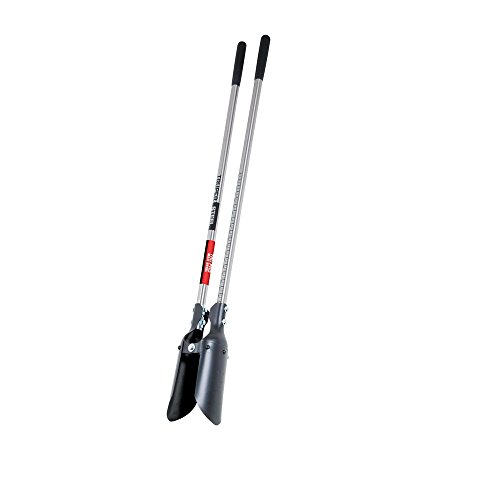
Truper Post Hole Diggr STL 48

Dual Sharp-Edge Spades for Maximum Versatility: This post hole digger tool features two opposing spade heads with sharp, per-sharpened edges—perfectly designed for digging, cutting through roots, breaking compacted soil, and lifting weeds. Whether you're opening a planting hole or edging a flowerbed, each blade delivers clean, efficient performance with every push
7. Chain-Link Temporary Fencing
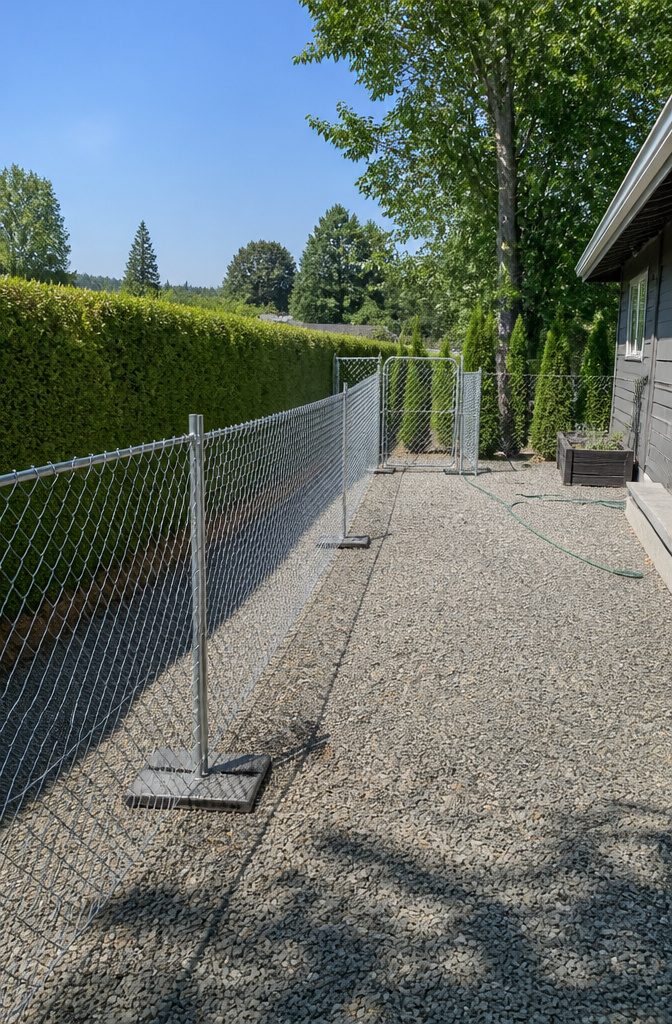
Chain link temporary fencing gives you the strength of traditional metal fencing without digging post holes or pouring concrete. The system uses lightweight mesh attached to portable posts that anchor with weighted bases, ground screws, or drive-in stakes.
That makes it a strong choice for rental properties or any situation where permanent installation isn’t allowed, because you can pull the whole thing out when you move without leaving damage behind.
The mesh itself is galvanized or vinyl-coated, so it holds up in weather without rusting through a season or two of use. Height options typically run from 4 to 8 feet, which covers most dogs unless you have an exceptional jumper.
Gates are available as part of the system, so you get a real access point instead of stepping over panels or unhooking a section every time you need to get through.
I like the visibility here. The open weave lets your dog see out, which tends to reduce fence-line anxiety and territorial barking that can build up behind solid barriers.
Air moves through freely, too, so you don’t create a hot pocket in summer the way you might with wood or fabric panels.

Sturdy Construction: Built to endure harsh weather conditions and minimize sharp edges or burrs. Made from 11.5-gauge heavy-duty galvanized wire for maximum rust resistance and long-lasting durability.

Enhanced Security: Enjoy increased privacy and protection with chain link fencing Tape (Material Depth 0.52 mm); easily integrate privacy fence tape for a more secluded outdoor space
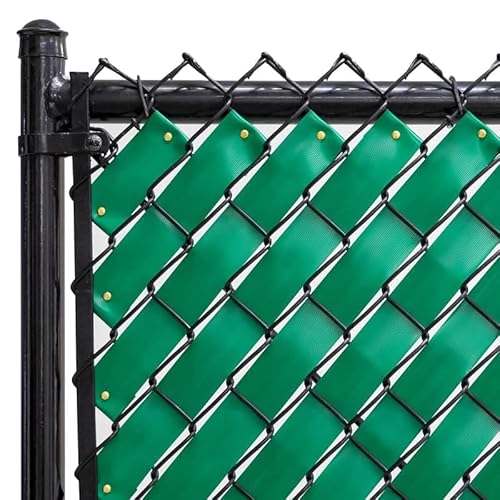
Enhanced Security: Enjoy increased privacy and protection with chain link fencing Tape (Material Depth 0.52 mm); easily integrate privacy fence tape for a more secluded outdoor space
8. Fabric Fencing
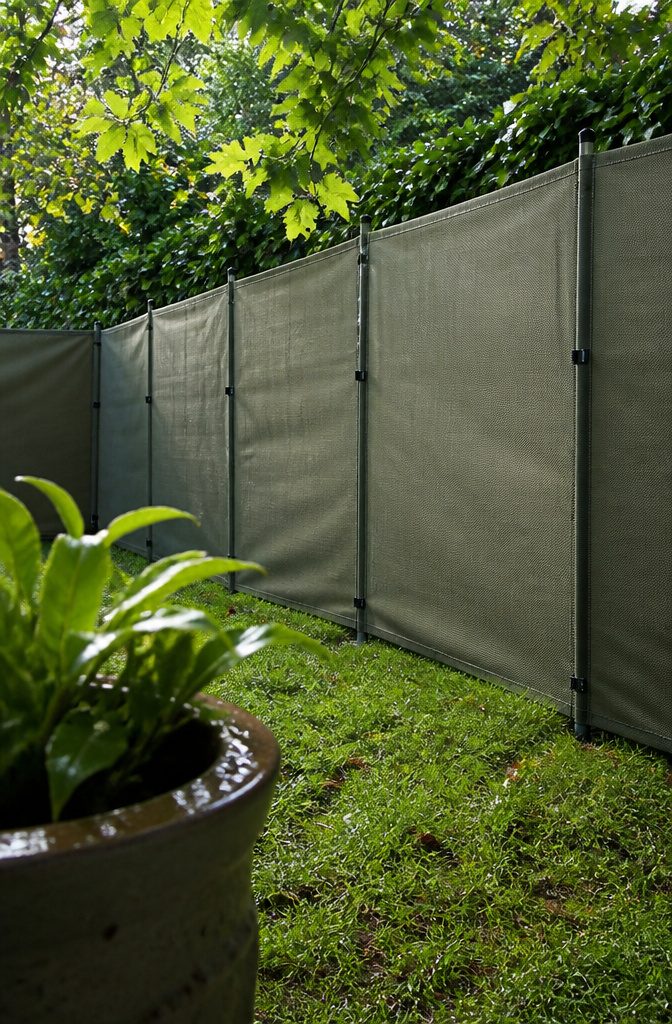
Fabric panels sit somewhere between privacy screens and actual fencing, which makes them useful when you want to keep a dog contained and calm an anxious one that reacts to movement outside the yard.
The material itself runs from heavy-duty vinyl to reinforced canvas, often with internal framework or border binding that adds stiffness without much weight.
Installation usually clips onto an existing structure or uses portable posts matched to the fabric, so setup stays simple and the system relocates without trouble.
Higher-quality fabric holds up better in weather. Higher-grade materials hold up better under sun and rain, while cheaper options can fade or weaken faster if your climate brings intense UV or frequent storms.
I weigh local conditions heavily when fabric comes into the conversation, because a panel that performs well in Portland might deteriorate quickly in Phoenix.
If you need something temporary or seasonal, fabric works. For year-round outdoor exposure, check the material specs carefully and expect to replace lighter panels sooner than you would a rigid fence.

DIMENSIONS: Each panel measures 24" W x 24" H. One box comes with 6 total linear feet of white vinyl picket fence for your garden.

DOG FENCE: This no dig fence is great for creating an outdoor dog playpen to keep your pet contained. Have peace of mind knowing that your puppy is safe to run within the boundaries of your backyard. Ideal for small to medium sized dogs.

TOTAL 22 PANELS, 30FT LONGER SIZE - Included 22 panels of fences, total length: 30 feet, more fences, and longer lengths can meet more of your needs, including filling the gaps under the bottom of the existing fence, building garden edging border, surrounding the garden bed to avoid plant damage, etc
9. Wooden Privacy Panels
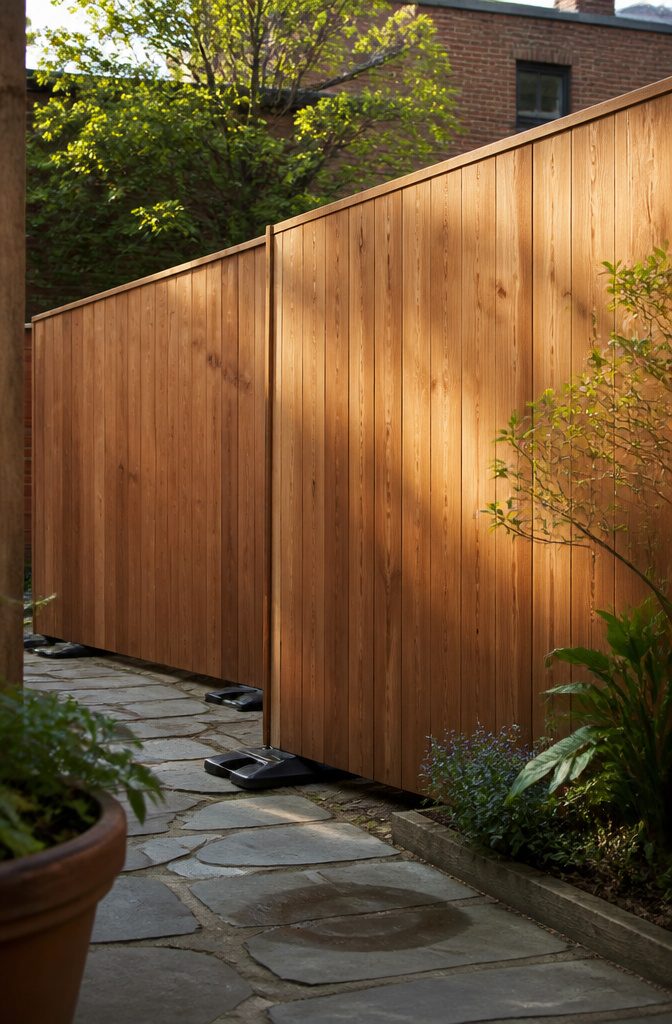
Solid wooden panels work well when the dog reacts to movement outside the yard.
The complete privacy these panels provide means passing pedestrians, cars, and other animals stay out of sight, which can make a real difference for dogs that bark or lunge at external triggers.
I find this setup particularly useful in urban settings where foot traffic is constant and neighbors are close enough to hear every reaction.
Prefabricated panels in cedar, pine, or composite materials are lightweight enough for one person to move and reposition without help.
Standard panel sizes usually range from 6 to 8 feet in width and 4 to 6 feet in height, giving you flexibility in shaping an enclosure that fits the available space.
Installation typically relies on weighted bases or ground spikes rather than permanent posts, so the fence can be relocated or removed without altering the property.
The slick surface of finished wood discourages climbing better than wire or chain-link, and there are no gaps for a small dog to slip through if the panels meet flush at ground level.
Watch for clearance at the bottom if you have a digger, and expect some dogs to jump when curiosity gets the better of them.

SECURE PET CONTAINMENT & YARD PROTECTION - Keep dogs and other pets safely contained while helping limit animals from accessing areas around your fence line. This underground barrier works with existing fences for added yard security.

Longer Size: Good cost performance with longer fence. Each piece of the garden fence barrier is 17" long and 13" high, 14 panels. The entire length of the fence set is 20 feet long! More quantity, longer garden fence can more effectively prevent small animals from digging pass the fence to enter and leave the garden.

The Original Animal Barrier Fence - Our animal fence barrier makes sure that your pets are securely and humanely contained while also keeping critters and pests out of your yard.
10. DIY PVC Pipe Construction
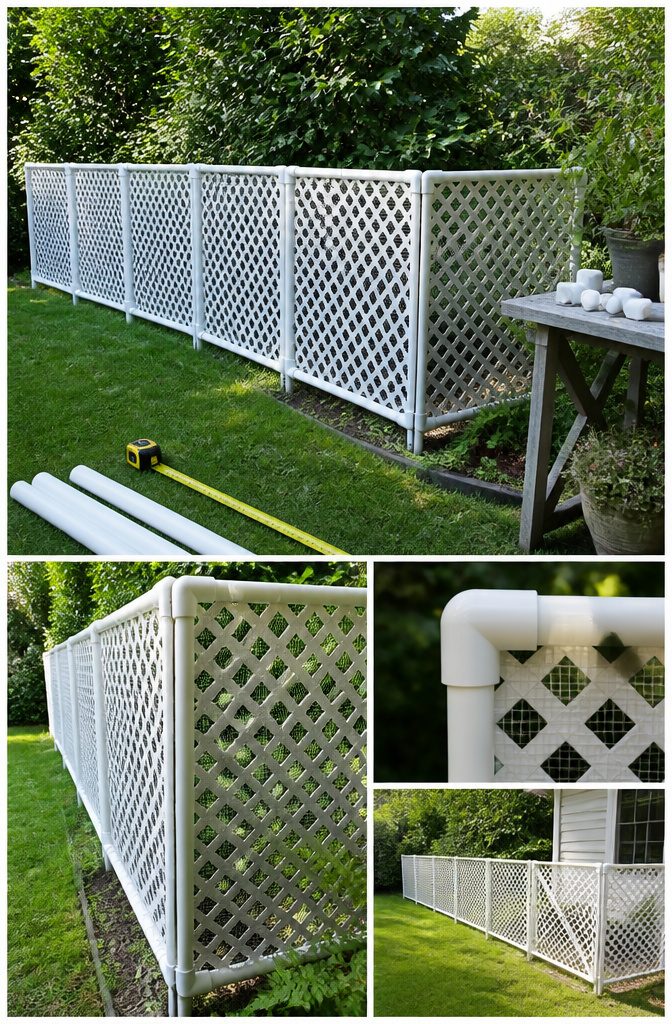
A modular PVC frame lets you build the fence to the exact dimensions your yard needs, then attach mesh, fabric or panels to complete the barrier.
The frame uses ground stakes set with a drill and auger bit rather than post holes, which keeps the work fast and reversible.
Standard residential plumbing pipe and fittings supply the structure, and because PVC is lightweight, you can disassemble, move or store the fence when it is no longer needed.
Planning and measuring matter more than construction skill here. The pipe cutting and fitting steps are straightforward, but irregular yard shapes and custom gate openings demand accurate measurements before you start.
Many hardware stores will cut pipe to size if you bring the list, which gives you cleaner cuts and tighter joints than rough field work.
One frame system designed for dogs relies on both lattice and wire mesh to reach full height and prevent climbing.
A 4-foot frame alone will not keep a dog out. The cost advantage is real, since you buy exactly the amount of material the layout requires and avoid the markup commercial systems carry.

Gate latch can be used for any fence that from 1-1/4'' to 1-3/8" gate frame and from 1-1/4'' to 1-3/8" panel frame.

dog kennel gate latch can be used for any fence that from 1-1/4'' to 1-3/8" gate frame and from 1-1/4'' to 1-3/8" panel frame.

【Gravity Self Locking Gate Latch】Privacy Exterior Fence Latch made from heavy gauge steel construction with Superior Black Powder Coat Finish & Zinc Plated corrosion resistance, features a self-latching fingertip release, can also be operated with a pull string.
11. Retractable or Expandable Fencing
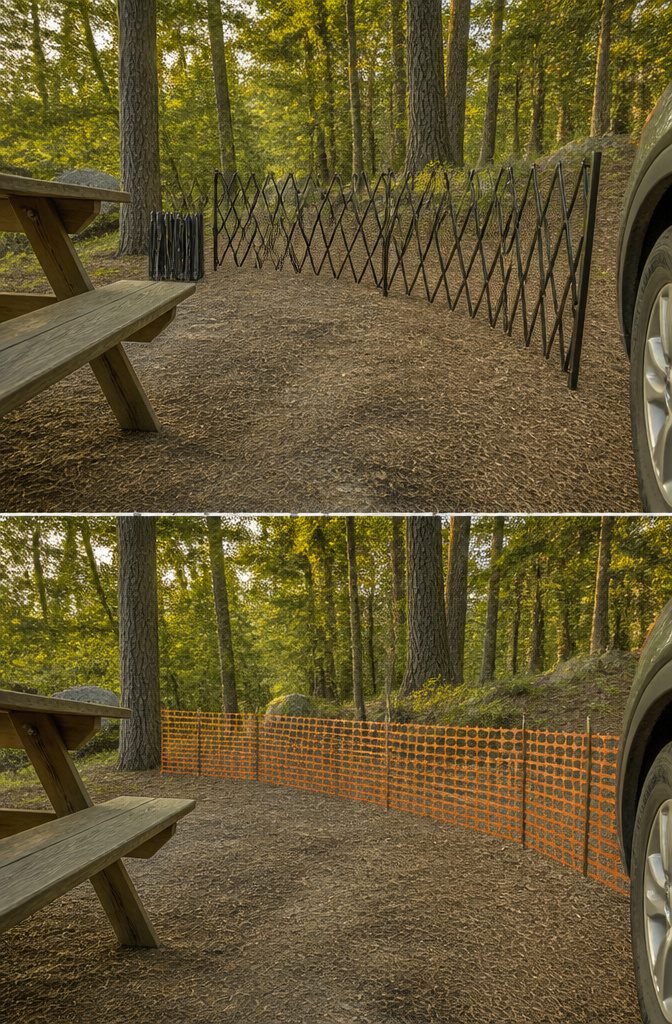
Retractable and expandable fencing systems fold flat for storage and deploy in minutes without tools, which makes them worth considering if you move the barrier often or need something that travels.
Retractable versions use a spring-loaded housing that extends mesh or fabric panels the way a large tape measure does, keeping tension consistent as the barrier extends.
The mechanism sits in a compact unit you mount near a doorway or gate opening, and the panel retracts cleanly when you’re done.
Expandable accordion-style panels work differently.
Hinged sections fold into a narrow stack for storage and stretch out along a fence line or curved boundary when you need them. Most include end clips or stakes that anchor the panel to a post or the ground.
I find the accordion design easier to adjust on the fly because you can shorten or lengthen the run by folding fewer or more panels, and the hinges let the fence follow a curve without extra hardware.
Both types pack small enough to fit in a vehicle, so if you camp or visit family with the dog, the fence comes along and sets up fast at the new location.
The portability is the real advantage here. If you need something permanent, metal panels or wood will hold up better long-term.
Match the Barrier to Your Dog and Your Setting
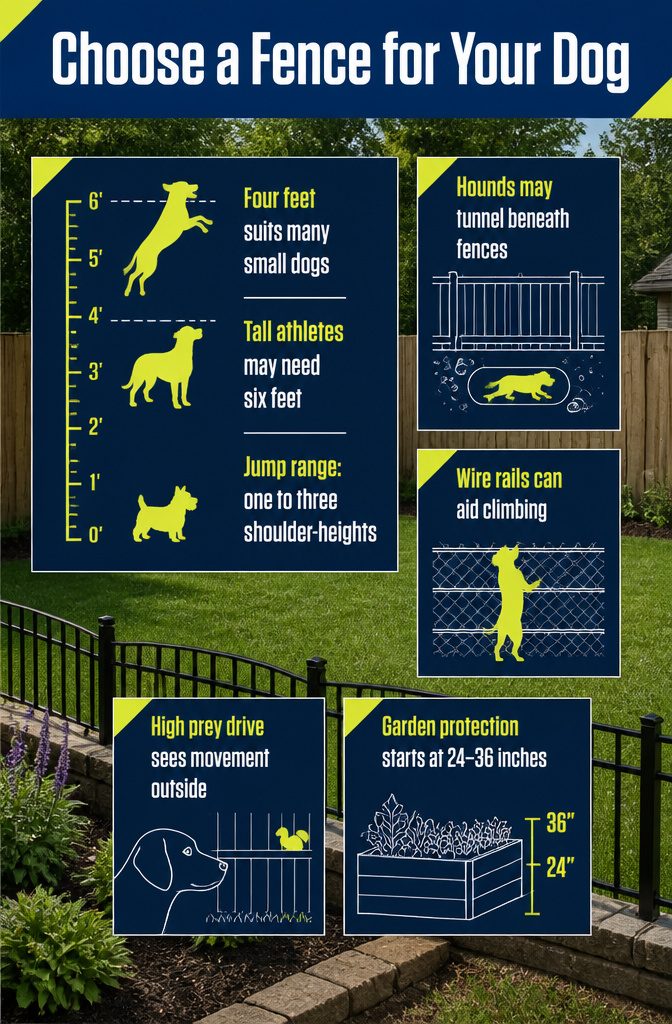
No single fence keeps every dog contained, and the stakes are higher than most people think before they measure their own dog against the options.
A 4-foot barrier handles many small to medium dogs, but an athletic or large breed can clear that height without much effort.
The rule some trainers use is that a dog can jump one to three times its shoulder height, so a tall, lean dog may need a 6-foot fence while a compact terrier stays in at four.
Digging and climbing change the calculation just as much as jumping does. Hound breeds tunnel under a fence that stands tall enough, and younger dogs scale chain-link or wire mesh by using the horizontal rails as a ladder.
Breeds with high prey drive react to movement outside the yard, so visibility matters more than height for those dogs. Livestock guardians, on the other hand, prefer to see their surroundings and may become stressed behind a solid barrier.
Most dogs, regardless of breed, will respect a 24-inch barrier. If your dog is particularly active, athletic, or a giant breed, 30–36 inches should do it.
— Rover
That low range works for garden protection, where you want to keep a dog out of a bed but not fence in a whole yard.
For full containment, match the fence to what your dog actually does when you’re not watching.
Visibility and Privacy Trade-Offs
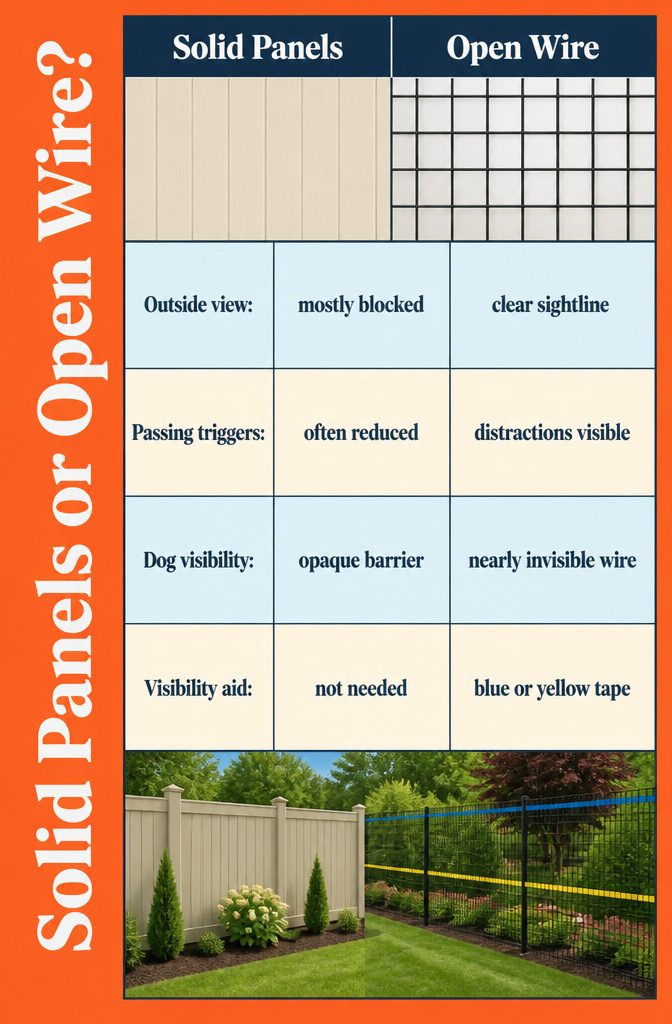
Solid panels cut off most of what a dog can see beyond the yard, which often calms barking at passing traffic or squirrels.
Open wire mesh keeps your view intact but gives the dog a clear line of sight to distractions.
Wire can be nearly invisible to a dog, especially dark metal or chicken wire backed by planting, and a dog running after a ball can hit the barrier without seeing it coming.
Weaving blue or yellow surveyors tape along the top and middle of a wire fence makes it visible, since those are the two colors dogs see best.
Black vinyl-coated welded wire offers strength and low visual intrusion from the human side, though the dog still sees through it. For picket styles, blue or yellow paint on the slats does the same job the tape does on mesh.
Frequently Asked Questions
Will a 4-foot fence keep a dog in?
A 4-foot fence works for many small to medium dogs, but athletic or large breeds can clear that height without much effort.
Dogs can jump 1 to 3 times their shoulder height, so a tall, lean dog may need a 6-foot fence while a compact terrier stays in at 4 feet. Always match the height to what your dog actually does when unsupervised.
What to put at the bottom of a fence to keep dogs in?
Lay chicken wire flat on the ground along the fence line and cover it with soil or gravel to stop digging.
Landscape fabric works similarly but may not hold up as long. Specialized dig-proof barrier kits are available that integrate with the fence for a more durable solution.
How do I keep my dog in my backyard without a fence?
In-ground and wireless containment systems create boundaries without physical barriers, though they require training and may not work for every dog.
For a visible option, exercise pens or portable panel systems set up quickly and contain the dog without permanent installation.
What is the cheapest way to build a fence on a budget?
Plastic mesh or snow fence runs about the lowest cost per linear foot and installs quickly with metal stakes or posts.
Wire mesh and chicken wire cost slightly more but hold up better against determined dogs. Both options work best for supervised containment or temporary patches rather than full-time unsupervised use.