

A fence typically costs $5 to $100 per linear foot depending on your material choice. Chain link runs cheapest at $5–$15, while wood averages $44–$67, vinyl costs $30–$60, and wrought iron tops out at $30–$100. Labor usually makes up about half your total bill, and where you live matters. Coastal and urban areas cost 15–25% more than rural regions. Site challenges like sloped terrain or rocky soil can bump costs up another 15–40%. Your actual project price depends on these variables beyond the per-foot estimate.
Average Fence Cost Per Linear Foot by Material Type
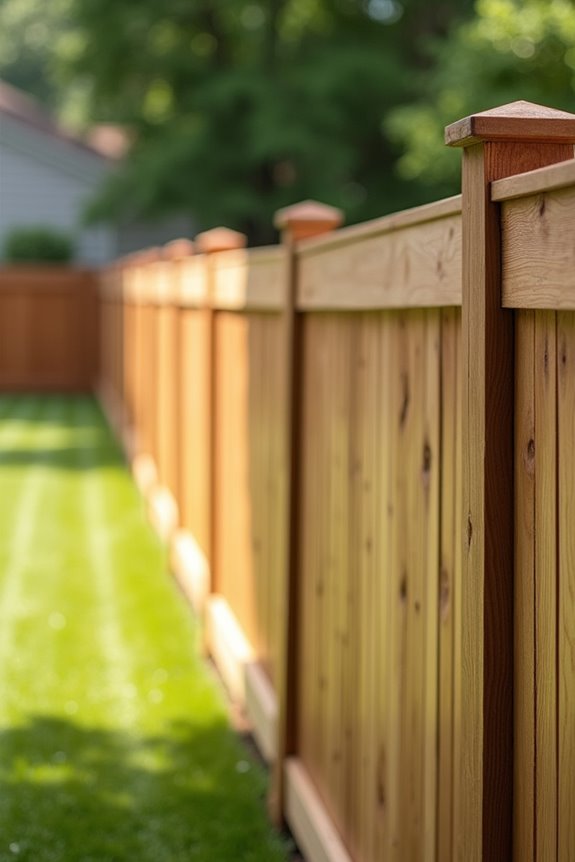
When you’re planning a fence project, the material you choose will make the biggest difference in your budget. Consider what you’ll pay per linear foot for different options.
Chain link fencing is your most affordable choice at $5–$15 per linear foot. Wood fencing costs more at $44–$67, though cedar lasts longer than pressure-treated pine. Vinyl fencing falls in the middle at $30–$60 per linear foot and requires less maintenance over time.
Wrought iron fencing is the priciest option at $30–$100 per linear foot, depending on height and style. Steel fencing offers a middle ground at $20–$90 per linear foot with solid long-term durability.
Comparing these fence costs by material type allows you to select an option that aligns with your budget and performance requirements.

STYLISH NATURAL WOOD: This FSC certified wood screen is made with real wood meaning no two boards have the same grain color, finish, or wood knots differing it from vinyl outdoor privacy fence screen panels.
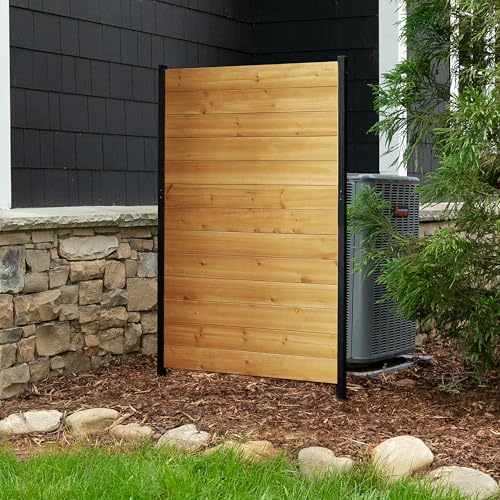
STYLISH NATURAL WOOD: This FSC certified wood screen is made with real wood meaning no two boards have the same grain color, finish, or wood knots differing it from vinyl outdoor privacy fence screen panels.

Elegant Privacy Solution: This wooden privacy screen create a private retreat with a stylish privacy screen that not only divides spaces but also seamlessly complements your interior décor, enhancing both aesthetics and privacy.
Why Labor Costs Account for Half Your Total Budget?
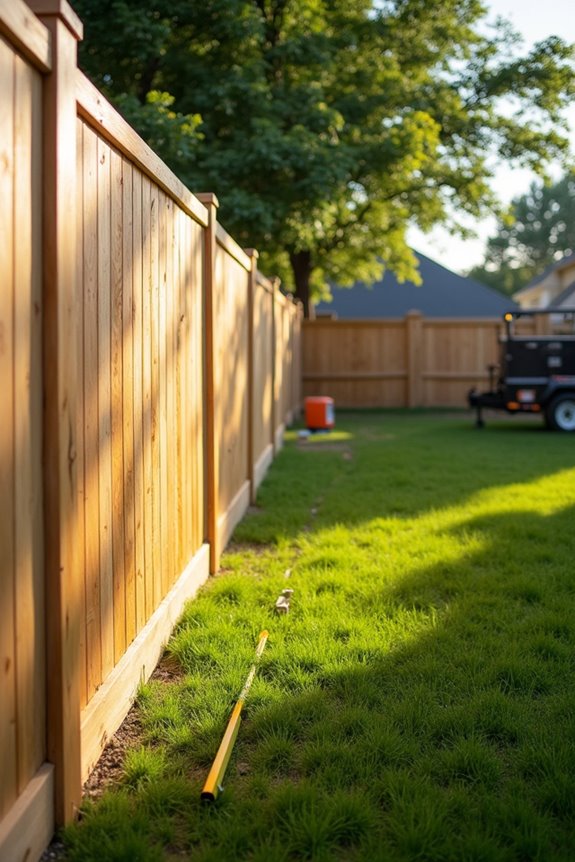
Why does labor eat up half your fence budget? Installing a fence requires skilled work, and that doesn’t come cheap. You’re paying workers to dig holes, set posts, and attach panels, tasks that demand time and expertise.
Installing a fence requires skilled work—digging holes, setting posts, and attaching panels demand time and expertise.
Labor rates vary substantially by region. Rural areas run $20–$35 per linear foot, while urban areas climb to $30–$50 per linear foot. Your location directly impacts your total budget.
Site challenges push costs higher. Sloped terrain, rocky soil, and difficult access can add 15–40% to labor expenses. Removing old fences and handling permits require additional work too.
Crew size and billing methods affect your final quote. Some contractors charge hourly rates while others bill per foot, creating different quotes for the same installation. Comparing these variables across multiple contractors ensures you budget accurately.


EASY ORDERING: Everything you need for your fence project is in the box except for the final post. Only ONE additional post, BL19112, is required for the end of your project. A gate is available by searching BL19111.

DIMENSIONS: Each panel measures 45"H x 36" W
Regional Price Variations: Where You Live Matters Most
Where you install your fence dramatically shifts what you’ll pay. Regional price variation significantly impacts your total cost.
Coastal and urban areas run 15–25% higher than average, while rural Gulf regions cost about 15% less. California and the Northeast top the charts at 20–30% above typical rates. Texas offers relief at 15% below national prices.
Labor rates drive much of this difference. Urban workers charge $30–$50 per foot, while rural crews run $20–$35 per foot. Local permitting, site conditions, and material availability also shape your final price per foot.
The Midwest stays steady, with predictable 3–5% annual increases. Knowing your region’s specific costs allows you to budget accurately and identify local fence contractors with expertise in your market.

【Heavy Duty Design】Our Rolling Gate Wheel are made of rust-free steel for durability, allowing the door to open and close with ease, for good load-bearing capacity in operating it can weight up to 600 lbs

Sturdy Construction: Built to endure harsh weather conditions and minimize sharp edges or burrs. Made from 11.5-gauge heavy-duty galvanized wire for maximum rust resistance and long-lasting durability.

Quality: These green fence tapes are made of weather resistant PVC material and are designed for long-term use.
What Your Site Will Really Cost You
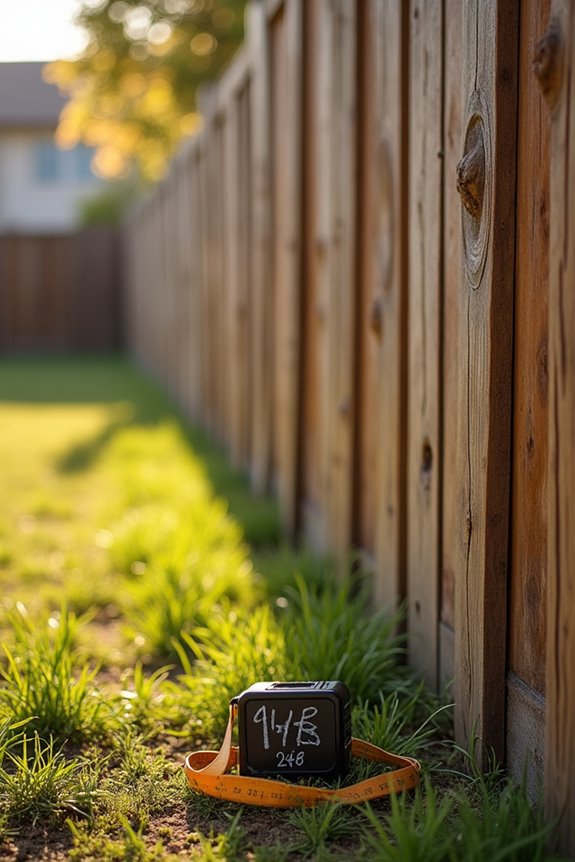
Once you’ve figured out what fences cost in your area, you’ll want to look at what’s actually happening on your property. The ground under your feet can add serious money to your bill. If you’ve got slopes, rocky soil, or hard-to-reach corners, you’re looking at anywhere from 15% to 40% extra on top of your base price. Labor rates already run $20–$50 per foot in cities and $20–$35 in rural spots, so these site challenges stack right on top of that foundation cost.

Sturdy Structure - This garden fence is crafted from tubing that is 10 times thicker than wire fencing, resisting bending and strong winds. It also lasts significantly longer than flimsy alternatives, offering exceptional durability. Each panel measures 32"H × 29"W, with a total of 10 panels spanning 24Ft in length.

Solution for Tight Spaces: Designed specifically for side yards, house gaps, narrow walkways, or small balconies. The slim profile (each panel 38"W x 21"H) provides effective privacy screening in limited spaces.

【Product Size】Each garden fence set contains 5 fence panels and 6 metal stakes, with each panel measuring 32 inch in height and 24 inch in width. Additionally, the fence set features a convenient gate latch for easy access. Once connected using the metal stakes, a garden fence can be assembled to a height of 32 inch and a length of 10 feet.
Site Conditions Impact Costs
Your property’s actual conditions will likely push your fence costs higher than the basic per-foot price you’ve calculated. Understanding these real-world factors helps you budget accurately and avoid surprises.
| Site Condition | Cost Increase |
|---|---|
| Sloped terrain | 15–30% |
| Rocky or clay soil | 20–40% |
| Limited site access | 10–20% |
Sloped terrain requires design adjustments and longer labor costs. Difficult soil conditions demand power augers, adding significant equipment expenses. Limited site access slows your project through scheduling challenges. Removing an existing fence runs $3–$8 per linear foot. Debris removal, vegetation clearance, and irrigation conflicts represent additional expenses that accumulate quickly. Planning ahead for these site-specific challenges keeps your project on track financially.
Labor Expenses Vary Regionally
How much you’ll pay for labor depends heavily on where you live. In urban areas, you’re looking at $30–$50 per linear foot, while rural regions run $20–$35 per linear foot. Regional variation in labor costs is significant.
Your location matters because local labor rates differ. Urban installers charge more due to higher demand and living expenses. Rural areas typically offer lower labor rate ranges.
Site conditions can push your total project cost higher. Slopes, rocky soil, and tough access add 15–40% extra to labor expenses. Removing an old fence costs another $3–$8 per linear foot.
Labor represents roughly 50% of your total project cost. Understanding regional differences allows you to budget accurately for your fence installation.
Wood Fence Pricing: Pressure-Treated, Cedar, and Composite
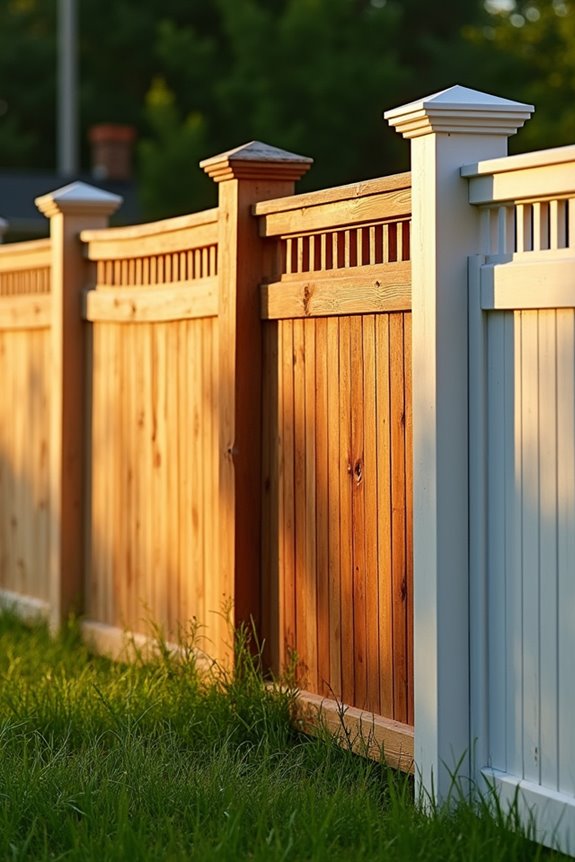
When you’re ready to pick a wood fence, the material you choose makes a significant difference in what you’ll spend. Pressure-treated pine is your most budget-friendly option, running about $10–$20 per linear foot for materials alone. Once you add installation, you’re looking at $20–$50 per foot total.
Cedar offers better durability and appearance, costing $20–$30 per linear foot for materials with higher installed costs. Composite wood falls between $25–$50 per foot installed and requires minimal maintenance over time.
Your actual price per linear foot depends on fence height, terrain slope, and gate additions. While pressure-treated pine costs less upfront, cedar and composite reduce long-term maintenance expenses over 15–30 years. Evaluate which factors align with your budget constraints and lifestyle needs.

🌻 Built to Last (Drill Not Included): Let this heavy-duty spiral auger drill bit do the work for you. Our drill augers for digging holes are built with premium alloy steel, expertly welded, and coated with high-quality paint to prevent rust and bending. Get ready to dig with ease and enjoy effortless planting.
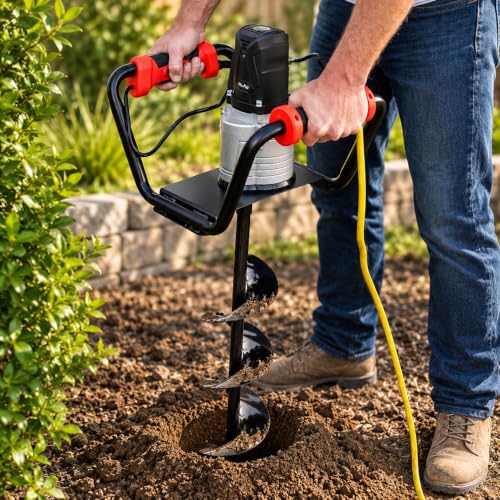
HOLE DIGGER MACHINE - Perfect for installing fence post, deck, planting tree and many other lawn applications and even ice fishing with specialized electric ice augers. It's the ideal digging tool for any homeowner or professional landscaper

The planting auger for drill designed with new model upgraded bit and more spirals on the solid shaft, ensures digging holes 10 times working efficiency, extremely increase your planting efficiency and you have more time enjoy the planting season.
Vinyl and Aluminum: Higher Upfront, Lower Long-Term Costs
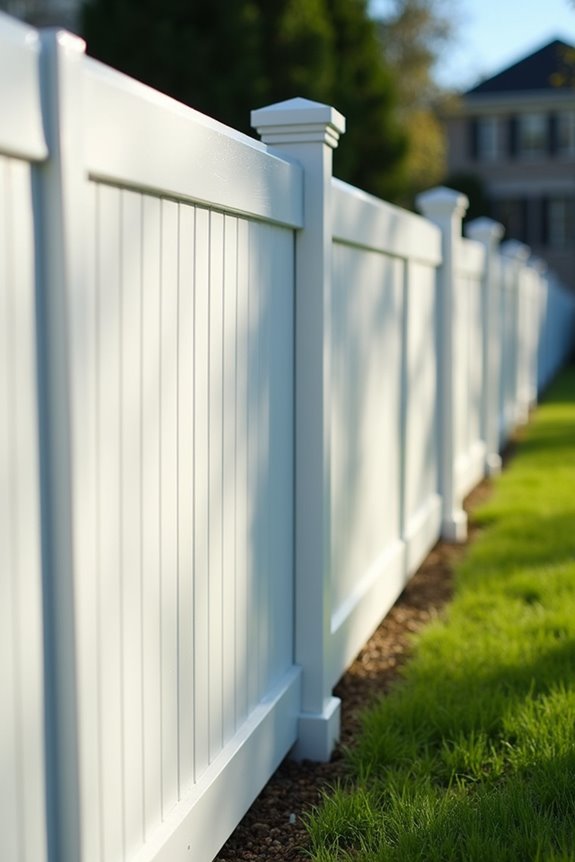
If you’re willing to spend more money now, vinyl and aluminum fences can actually save you cash over time. Vinyl fences cost $30 to $60 per linear foot, while aluminum ranges from $20 to $45 per linear foot. The upfront cost is higher than wood, but you’ll spend significantly less on maintenance. You won’t need to stain, paint, or seal them constantly. Over 20 years, these materials often cost less total than wood because they resist rust and weathering naturally. When comparing bids, make sure you’re checking apples-to-apples pricing. Ask if quotes include gates, hardware, and permits. This helps you understand your true long-term savings with a vinyl fence or aluminum fence.
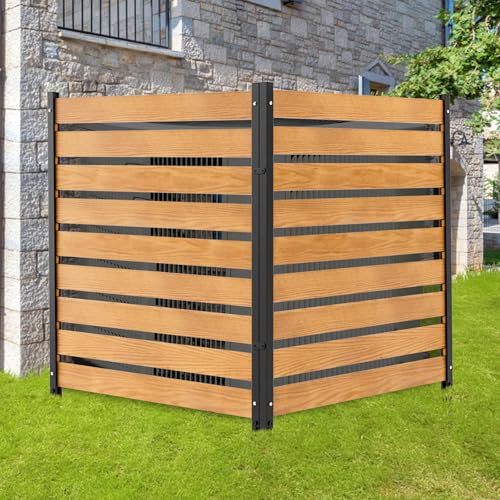
VERSATILE FUNCTIONALITY: This wooden privacy fence serves multiple purposes, including acting as an air conditioner fence, trash can enclosure, pool equipment enclosure, and garden patio privacy screen. It effectively conceals unsightly outdoor items and keeps children and pets at a safe distance

【Versatile Privacy & Hidden Charm】Instantly elevate your backyard aesthetics with the MTART outdoor privacy screen. Measuring 60"H x 38"W, this air conditioner fence is the perfect solution for concealing unsightly items like AC units, trash cans, pool equipment, or garden tools. It provides 5ft of height for optimal privacy around your patio, deck, or garden, ensuring your outdoor space remains pristine and organized while keeping pets and children at a safe distance.

STYLISH NATURAL WOOD: This FSC certified wood screen is made with real wood meaning no two boards have the same grain color, finish, or wood knots differing it from vinyl outdoor privacy fence screen panels.
Chain Link and Wrought Iron: Budget and Premium Options
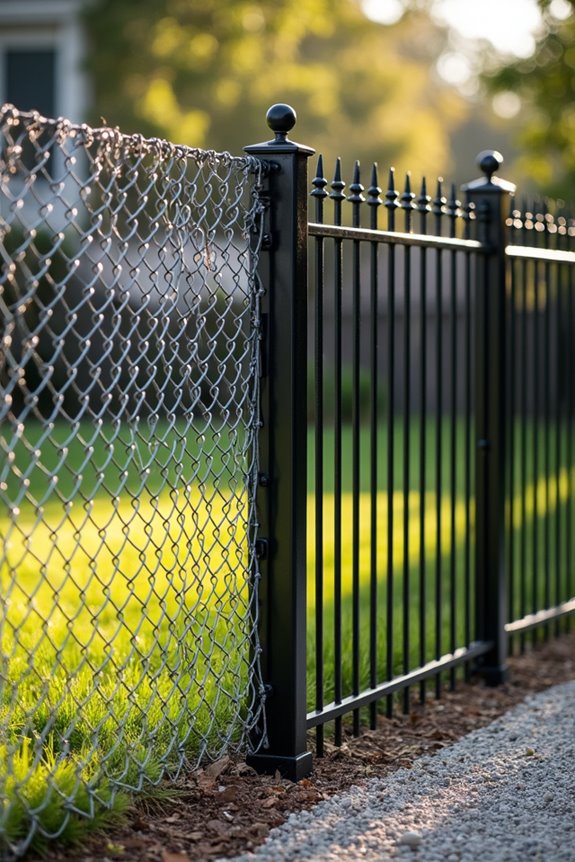
At the low end of the price spectrum, chain link fences cost just $5 to $15 per linear foot installed, making them ideal if you’re working with a tight budget or fencing a large area. On the opposite end, wrought iron fences run $30 to $100 per linear foot depending on height and security features, so you’re paying for both durability and that elegant, decorative look. You can weigh these choices based on what matters most to you, whether that’s saving money upfront or investing in long-term style and protection.

VERSATILE CONFIGURATIONS: Can be installed in either a U-shape as an air conditioner fence or an L-shape to hide garbage bins. Great for backyards, around outdoor patios, or decks.

Backyard Privacy Enclosure: Our vinyl fence panel set includes 3 panels measuring 50 x 50 in, ideal for concealing outdoor items like trash bins, pool equipment, and air conditioners, keeping your backyard neat and attractive while meeting HOA guidelines

PET & CHILD SAFE: Create a safe outdoor play area for fur babies and children. Rest assured that this fence will create a sturdy barrier to protect your family.
Chain Link Budget Basics
Why do so many homeowners choose chain link fences when they’re shopping for an affordable yard boundary? They offer genuine budget-friendly construction.
Chain link provides these cost advantages:
- Lower cost per linear foot — You’ll pay just $6–$8 for budget options, compared to $30–$100 for wrought iron
- Reduced labor expenses — Installation is straightforward, keeping labor costs down since labor often makes up half your total budget
- Predictable pricing — Most basic fence projects run $1,000–$7,000 total, depending on length
Chain link’s simple installation means faster work and lower costs per foot. You’re not paying extra for complicated materials or specialized techniques. When you need reliable fencing without breaking the bank, chain link delivers real value for your yard.
Wrought Iron Premium Pricing
Wrought iron represents the premium choice when you’re ready to invest in both aesthetics and security. You’ll pay $30 to $50 per foot for standard 4-foot installations, but security-focused 6-foot options jump to $60 to $100 per foot. Labor and fabrication complexity drive this price significantly. Custom designs, decorative features like ornate scrolls and caps, plus larger gates all push costs higher. While it’s pricier than vinyl or aluminum, you gain stronger security and timeless beauty that enhances your property’s curb appeal and provides robust protection.
| Feature | 4-Foot Standard | 6-Foot Security | Custom Design |
|---|---|---|---|
| Price Range | $30–$50/ft | $60–$100/ft | $80–$120/ft |
| Installation | Moderate | Complex | Very Complex |
| Decorative Options | Limited | Standard | Extensive |
| Security Level | Good | Excellent | Premium |
| Maintenance | Regular | Regular | Regular |
Comparing Long-Term Value
When you’re choosing between a chain link fence and wrought iron, your upfront costs tell only part of the story.
Comparing long-term value means looking beyond the initial price tag. What matters:
- Initial investment: Chain link costs $5–$15 per foot, while wrought iron runs $30–$100 per foot
- Maintenance expenses: Chain link needs minimal upkeep over 20+ years, whereas wrought iron requires rust-prevention coatings but lasts longer in tough climates
- Durability payoff: Wrought iron’s higher initial cost gets offset by superior security and lifespan
Chain link saves you money through low maintenance costs year after year. Wrought iron demands more upfront spending but rewards you with exceptional durability and protection. Your choice depends on whether you’d rather save now or invest in lasting strength and beauty.
Don’t Forget: Permits, Gates, Removal, and More
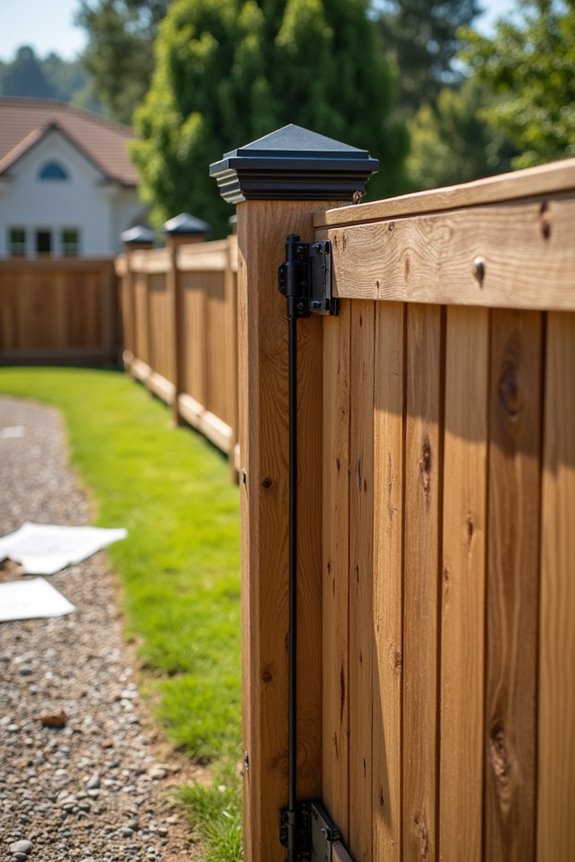
Before you break ground on your fence project, there’s more to budget for than just the fence itself. Permits typically cost $20–$60, though impact fees can reach $100–$500. Gate installations add significant expense: standard 4-foot gates run $200–$600 each, while double drive gates cost $300–$800. Old fence removal ranges from $300–$750 or $3–$7 per linear foot. Site preparation and debris removal push expenses up by 10–25% beyond basic materials and labor costs. You’ll also face additional labor charges if you’re removing trees, shrubs, or rerouting utilities. Accounting for these hidden outdoor fencing costs upfront prevents budget surprises and ensures your project stays within financial parameters.

【Complete Sliding Gate Hardware Kit for Easy Installation】: This comprehensive sliding gate kit includes everything needed: double wheel carrier, pipe track rollers, universal wall mounted track brackets with U-bolts, and 1*1-5/8"" rolo latch. An all-in-one solution for your chain link gate project
![Chain Link Fence [Explicit]](https://m.media-amazon.com/images/I/511YIyFdYTL._SL500_.jpg)

Save Money: Best Times to Install
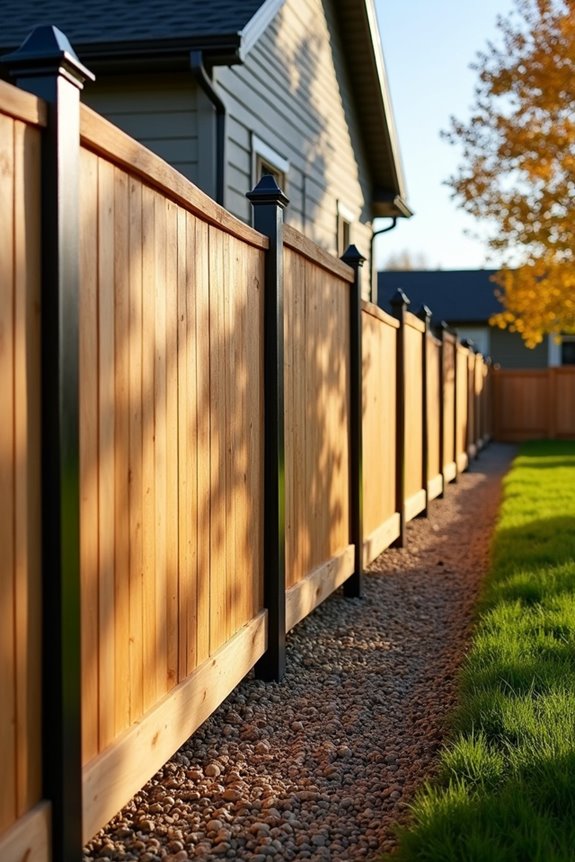
When you’re ready to install your fence, timing makes a real difference in what you’ll pay. Winter and shoulder seasons (March–May and September–October) offer the best deals, with labor savings ranging from 10% to 15%, while peak season from May through August drives prices up notably. If you can wait until fall or winter, you’ll save money and get faster contractor availability without sacrificing quality.

【Product Size】Each garden fence set contains 5 fence panels and 6 metal stakes, with each panel measuring 36 inch in height and 28 inch in width. Once connected using the metal stakes, a garden fence can be assembled to a height of 36 inch and a length of 11.6 feet.

【5-Pack Garden Fence Panels】: This decorative garden panel set includes 5 fence panels, each measuring 42" high x 30" Wide, to help create a neat and decorative border for flower beds, garden edges, walkways, and lawn areas. A practical choice for buyers looking for a garden border fence, flower bed fence, or landscape edging fence.

【Size & Rustproof Material】Single piece measures 24" wide x 24" high, pack of 5 panels, totally 10 feet long, 0.4 inch thickness.This wrought iron fence is made of high quality metal material and durable powder-coated finish helps prevent rusting and stands the test of time and weather. Iron, rust and corrosion resistant, sturdy and durable for years of outdoor use.
Off-Season Pricing Advantages
How’d you like to knock 10–15% off your labor costs without cutting corners?
You can do it by timing your fence installation during off-season pricing periods. Consider these seasonal discounts to maximize your savings:
- Shoulder seasons (March–May and September–October) cut labor costs by 10–15% compared to busy summer months
- Winter scheduling often delivers the best deals, with contractor rates dipping below typical urban prices
- Faster project duration means crews complete your work quicker when demand’s low, reducing overall expenses
Planning your installation during these slower periods helps you avoid spring and summer material shortages. You’ll want to confirm material availability and check weather conditions beforehand, since freezing temperatures can delay progress. Smart scheduling during off-peak periods reduces your project costs and accelerates completion timelines.
Shoulder Season Labor Savings
The real money-saving opportunity comes when you pick the right time of year to install your fence. Shoulder seasons (March through May and September through October) deliver about 10–15% labor savings compared to peak spring and summer months. You’ll find fall discounts ranging from 5–10% off your total project costs, making these months genuinely affordable.
Winter pricing often provides the deepest discounts overall, though scheduling varies by region. During these slower periods, crews aren’t double-booked, so your project moves faster and you’re less likely to face availability issues.
Request quotes that break down labor and material costs separately. Ask contractors directly about seasonal promotions and get any discounts confirmed in writing. This approach ensures you’re capturing real savings on your per foot cost.
Peak Demand Cost Premiums
Why does your fence cost more in summer than fall? Peak-demand pricing hits hard when contractors are busiest. You’re competing with hundreds of neighbors for the same installation slots.
During peak season, several cost factors converge:
- Contractors charge a price premium because they’re fully booked and can be selective about projects
- Your labor costs jump markedly, eating into your budget for materials and extras
- Regional variation amplifies these premiums. Coastal and urban areas see 15–25% higher costs than national averages
Strategic scheduling saves you money. By shifting your project to shoulder seasons like March–May or September–October, you unlock 10–15% labor savings. Winter offers the best seasonal pricing overall. This approach lets you lock in lower per-foot rates and avoid installation delays. Moving your project outside peak-demand windows directly reduces your total expenses.
DIY Fence Installation: How Much You’ll Actually Save
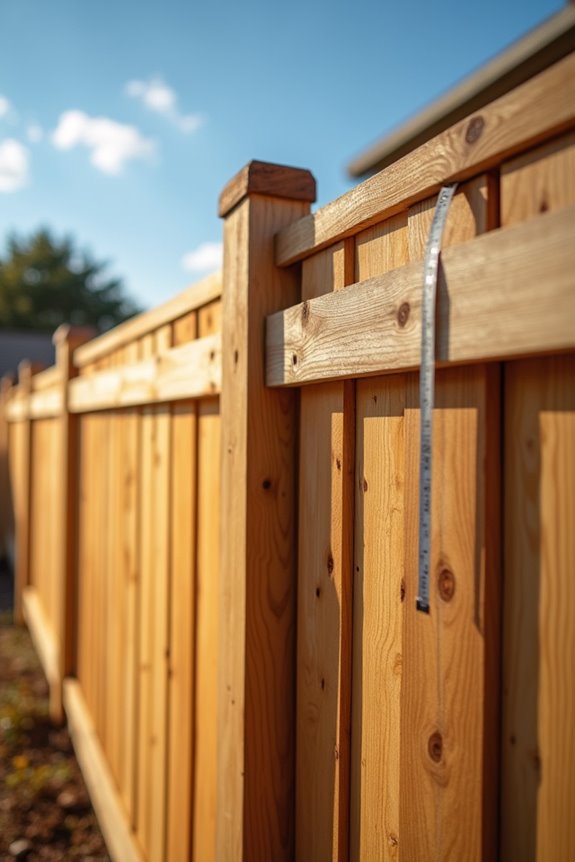
If you’re willing to roll up your sleeves, installing your own fence can cut your costs by 30–50% compared to hiring professionals. Since labor costs typically eat up 40–60% of your total fence installation expenses, doing it yourself makes a real difference in your final bill.
You’ll still need to budget for materials like panels, posts, concrete footings, and gates. Don’t forget potential tool rentals either. A DIY project demands serious time commitment; expect to spend 40–60 hours on a typical fence. Calculate what that time’s worth to you when determining true savings.
Pre-fabricated kits and all-steel options lower complexity and waste, making DIY more manageable. When you factor in everything, you’ll realize measurable cost per foot savings that justify the effort for many homeowners.
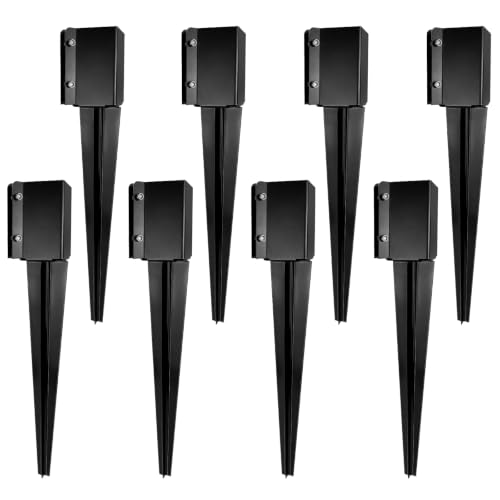
Durable and Rust-Resistant: XYADX fence post anchors is forged from 14-gauge high-strength steel for strength and durability. The surface is covered with a scratch-resistant black powder coating that effectively resists cracking, flaking and rusting

HIGH EFFICIENCY AUGER SPIRAL DRILL BIT: The spiral drill bit for planting improves the welding process between the blades and the main shaft, allowing for deeper drilling. This easy planter rapid planters through loose material so you can plant bulbs and bedding plants anywhere you want. Pay attention to safety when using it, especially when you encounter hard stones or heavy roots when drilling.

【Package Content 】: 2 sets of unassembled 32 inch repair stakes, 12 galvanized assembly screws, 16 galvanized fixing screws, and 1 small wrenches.Size: 1.96” x31.5 ”( W” x H”). Deep ground size:15.75 in
Add It Up: The Real Price of Your Fence
How much you’ll actually spend on your fence depends on several things working together: material costs, labor, your location, and those sneaky add-ons that pop up along the way.
Fence costs depend on material, labor, location, and those sneaky add-ons that catch homeowners off-guard.
Your fence project includes more than just the basics. These factors really add up:
- Material and labor costs form your foundation, ranging from $20 to $60 per foot for typical residential work
- Hidden expenses like permits ($50–$200), old fence removal ($3–$7/ft), and gates ($200–$800 each) catch many homeowners off-guard
- Site factors such as slope or rocky soil can increase your per-foot installation costs by 15–40%
For a 150-foot project, you’re looking at $3,000–$6,500 total. These add-ons are not optional. They are real costs that shape your final budget.
Cost Questions to Ask Before Hiring a Contractor
Before you sign that contract, ask your contractor the right questions with specific focus on actual costs you’ll pay. Request a detailed breakdown showing materials and labor separately, along with line-item costs for permits, site preparation, and removal of old fence. Ask whether they’re using per-linear-foot pricing or lump-sum estimates, then get a per-foot breakdown so you can compare fairly. Pin down exact material brands and quality levels. Confirm how many gates and posts are included in your fence pricing. Find out if future additions mean extra mobilization fees. Finally, ask about allowances for site-specific challenges and what contingency percentage they’ve built in for unforeseen conditions. These specifics protect your budget.