

A standard bathtub typically stands 14–20 inches tall on the outside, though the interior soaking depth of 14–16 inches is what matters most for where you’ll actually sit. These measurements don’t always match; a taller exterior doesn’t mean deeper water.
Most bathtubs have about a 14–16 inch apron (the rim height), which works well for stepping over comfortably. Material thickness and basin shape also affect how deep the water actually feels.
Knowing both measurements helps you select the right tub for your space and comfort needs.
Standard Bathtub Height: 14–20 Inches Outside, 14–16 Inches of Water
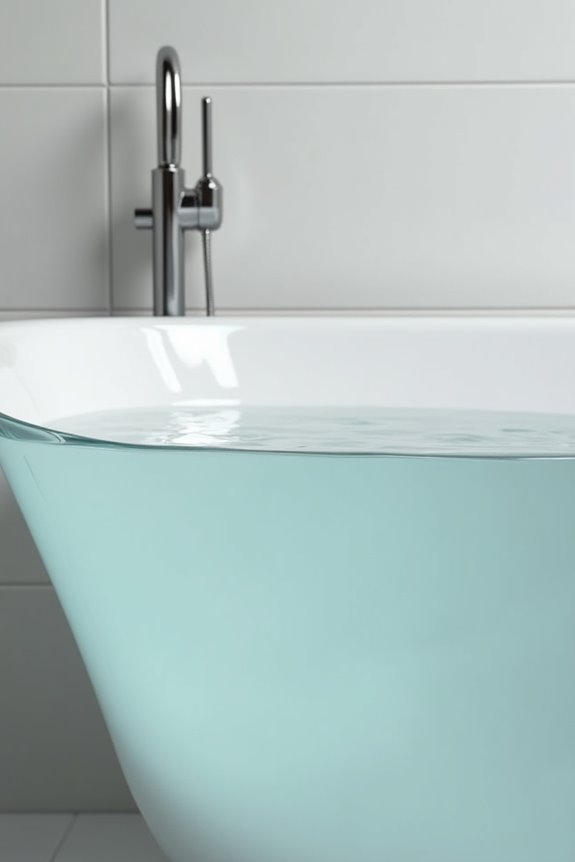
How deep is your bathtub really. Most standard bathtubs have a tub exterior height between 14 and 20 inches. That’s the measurement from the floor to the rim. The actual water depth is different. You’ll typically fill your tub with 14 to 16 inches of water. This usable bathing depth exists because of overflow constraints. The overflow drain prevents water from spilling over, so you can’t fill it completely to the rim. When you’re planning a bathroom or shopping for a tub, compare both measurements. The exterior height tells you how high it sits, while the water depth tells you how much actual soaking room you get. Both measurements determine what works best for your space and comfort.
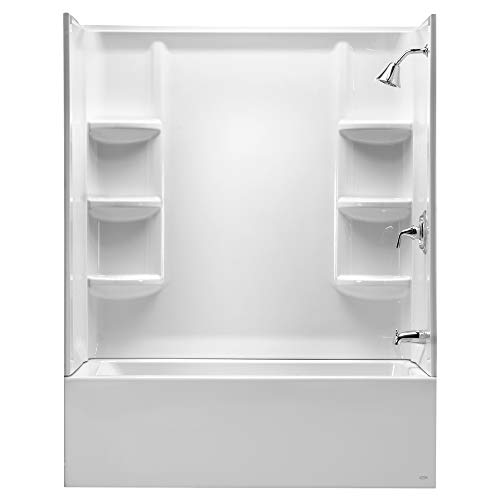
Smooth and glossy – Easy to clean with no grout lines to maintain

Installs with Flash Rough valve platform
Interior vs. Exterior Bathtub Height: Understanding the Difference
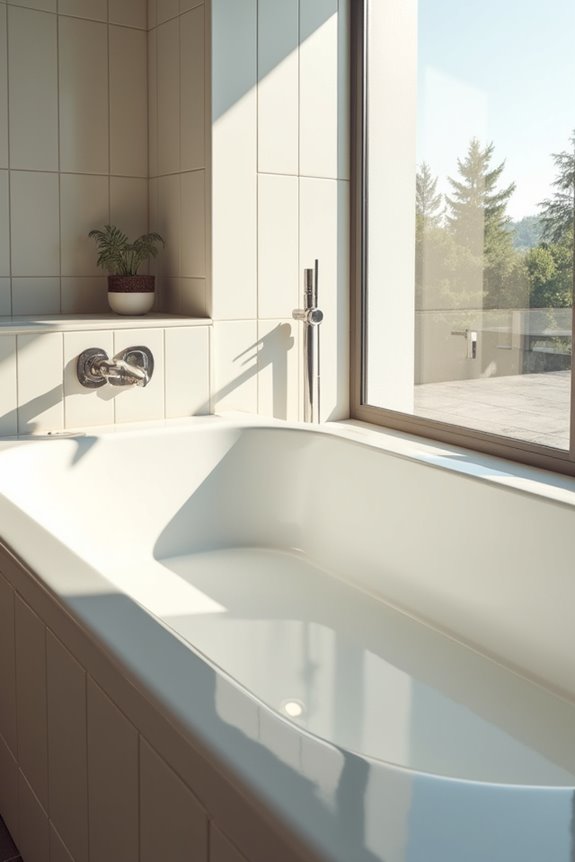
When you’re shopping for a bathtub or remodeling your bathroom, you’ll notice two different measurements. The exterior height is what you see from the outside, typically 14–20 inches for standard tubs. The interior height measures from the tub’s bottom to the overflow. This interior measurement usually ranges from 14–16 inches and directly determines your soaking depth and comfort. A taller exterior doesn’t guarantee deeper water space inside. When comparing tubs, focus on the overflow-to-bottom measurement rather than outer dimensions. This measurement tells you exactly how much water depth you’ll actually have during your soak.
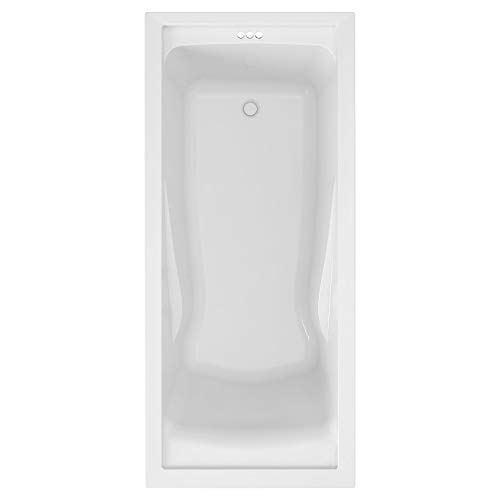
Acrylic with fiberglass reinforcement

Sleek contemporary styling
Choosing Tub Height for Your Body and Space
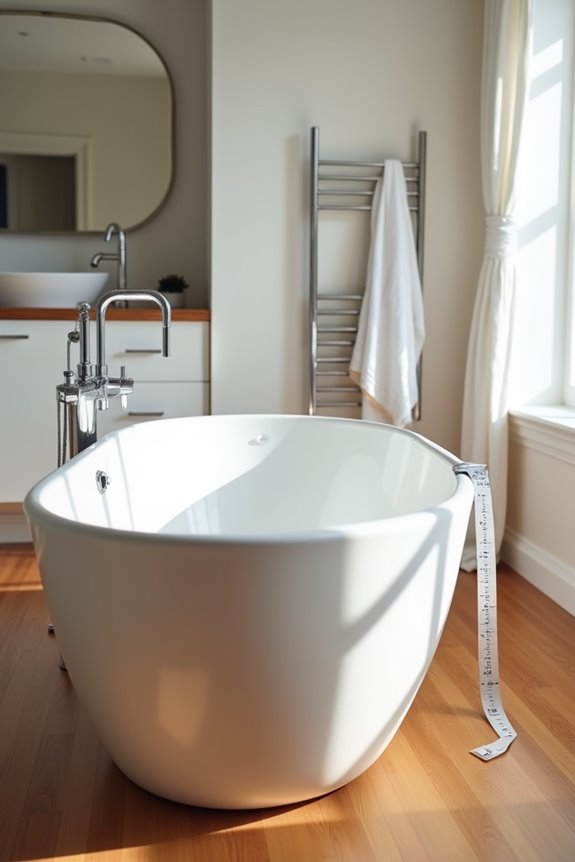
When you’re picking a bathtub, you’ll want to match its height to your body size and your bathroom layout. If you’re taller than average, you’ll find that a standard 14- to 20-inch exterior depth feels cramped. Measuring your own frame against the tub’s interior length (ideally 60–72 inches) is more important than the outside height. Before buying, consider how much floor space you have and whether a deeper soaking tub or a longer rectangular one will work better for your comfort and your room.

EASY ACCESS DESIGN FOR DAILY USE: 15-inch height provides a low step-over entry, making this alcove bathtub ideal for children, families, and anyone seeking safer, more...
Standard Height Measurements
What matters most when picking your tub’s height isn’t just the outside measurement, it’s how the interior actually feels when you’re soaking in it. Consider bathtub height differently than you might expect.
Key factors to evaluate:
- Interior waterline – This is where the water actually sits, typically 14 to 16 inches deep in standard tubs, which determines your real soaking experience.
- Basin shape – The curve of the tub and backrest angle affect how comfortable you’ll feel, sometimes more than the standard tub height itself.
- Clearance space – Plan for 24 inches of front clearance and 12 inches on sides, plus extra room for tile and installation materials.
These practical measurements help you choose a bathtub height that works for your body and your bathroom space.
Body Size and Comfort
How you fit in your bathtub matters just as much as how tall the tub itself is. Your body size and comfort depend on more than just bathtub depth. The interior length and overall shape play significant roles too. If you’re taller, aim for an interior length around 60 to 72 inches so you can stretch out fully. The bathtub depth should let you sink in comfortably without your shoulders hitting the rim. Consider the backrest slope and hip position, which affect how supported you’ll feel. Clearance space is essential for movement: 24 inches in front and 12 inches on the sides help you move freely. Testing different tubs before buying ensures your bathing experience will be comfortable and functional.
Space Planning Considerations
Finding the right tub height requires considering your bathroom’s layout and your body’s needs together.
When you’re planning your space, bathtub dimensions aren’t the only thing that matters. You need to consider how the tub actually fits in your room. Here’s what to keep in mind:
- Allow 24 inches of front clearance and 12 inches of side clearance for comfortable movement
- Plan for 6 extra inches during installation clearance to make adjustments easier
- Measure your interior depth carefully, since overflow affects how deep you can actually fill the tub
Check your ceiling height too, especially if you’re considering a deeper soaking tub. Your bathroom layout determines whether a standard or taller model works best for your family’s comfort.
Alcove Tubs: The 14–20 Inch Height Standard

When you’re shopping for an alcove tub, you’ll find that most models sit between 14 and 20 inches tall on the outside. This exterior height range works with standard wall framing in most homes. The interior depth, what you actually sink into, typically measures 14 to 16 inches and provides sufficient room for soaking.
| Feature | Measurement |
|---|---|
| Exterior Height | 14–20 inches |
| Interior Depth | 14–16 inches |
| Maintenance Space | 4–6 inches |
Taller models within this range can hide built-in aprons and plumbing underneath. When planning your bathroom layout, leave 4 to 6 inches of maintenance space around your tub. This buffer room enables easier cleaning and repairs throughout the tub’s lifespan.

【Dual Purpose, Ice Bath and Hot Bath】In addition to being used as a freestanding bathtub for a hot bath, it can also be used as a ice bath tub, meeting various needs in different seasons and occasions. You can choose one of them according to your preferences and needs. Suitable for use all year round.

【Premium Acrylic Craftsmanship】 This freestanding bathtub is constructed from high-quality acrylic, reinforced with fiberglass and resin for maximum durability. Multi-layer construction offers a glossy finish, outstanding strength, and naturally retains water temperature for relaxing soaking experiences all year round.

HYDRO MASSAGE: 11 jets target back, legs and feet; adjustable flow lets you tailor massage intensity.
Freestanding Soaking Tubs: Deeper and Taller by Design
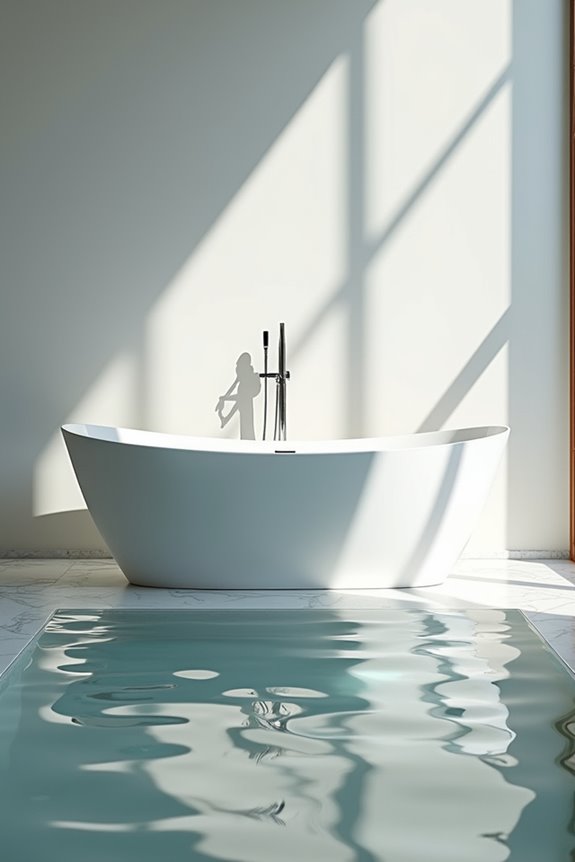
What makes a freestanding soaking tub different from an alcove model? Freestanding tubs are built for serious comfort and luxury. These tubs are taller and deeper than their alcove cousins, giving you that full-body submersion experience.
Here’s what sets them apart:
- Exterior height commonly reaches 20 inches or more, creating a dramatic presence in your bathroom
- Interior soaking depth is substantially deeper, letting you sink in completely and relax fully
- Standard dimensions include 60-inch lengths with 30–32 inch widths, though soaking variants extend further
You’ll want 4–6 inches of footprint clearance surrounding your tub for easy access. Plus, their increased weight when filled means you’re making a significant commitment to your space. Freestanding soaking tubs justify the investment through superior comfort and visual impact.

Walk-In Tub Heights: Lower Steps for Easy Access
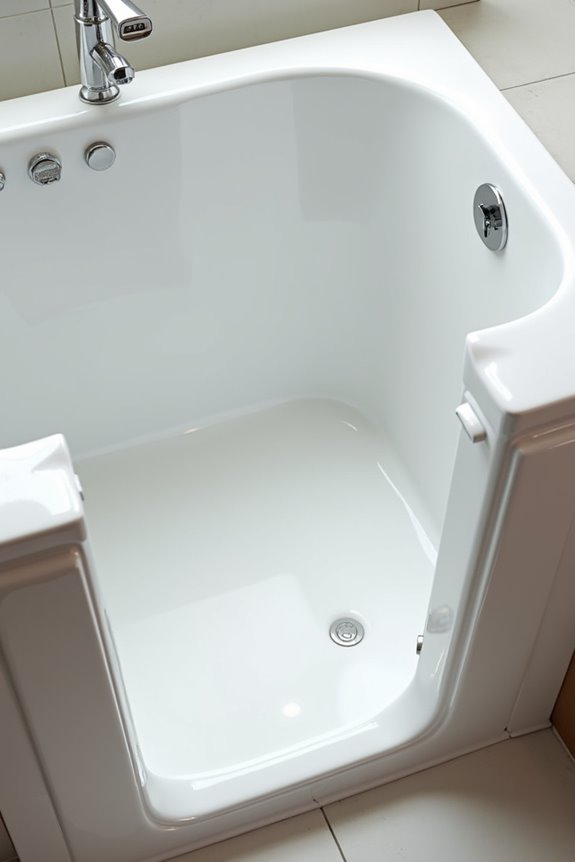
Walk-in tubs bring a real difference to bathroom safety because they’re built with ultra-low thresholds around just 3 inches high, which means you don’t have to step over much to get inside. These tubs meet ADA compliance standards and often include accessible seating and specially designed doors that make entry much easier for people with mobility challenges. The low entry point combined with interior dimensions that accommodate wheelchairs and walkers reduces fall risk and eliminates barriers to bathing independence.
Threshold Design and Height
How much easier would bathing be if you didn’t have to climb over a high edge?
Walk-in tub height and threshold height work together to create a safer bathing experience. Consider what makes these tubs special:
- Ultra-low thresholds – Most walk-in tubs feature thresholds around 3 inches, dramatically reducing the step you need to take.
- Comfortable seating depths – Interior seats sit roughly 17 inches high, letting you sit down easily once inside.
- ADA-compliant features – Low-threshold design meets accessibility standards, ensuring everyone can use the tub independently.
The low-threshold design keeps the overall walk-in tub height manageable while maintaining a watertight seal. Door widths of 17–18 inches support this accessible approach. Stepping into these tubs feels natural, not like climbing.
ADA Compliance Standards
When you’re shopping for a walk-in tub, you’ll notice that accessibility is built right into the design from the start. ADA-compliant models feature a low threshold, often just 3 inches high, so you won’t strain yourself stepping in. The exterior height typically ranges from 39 to 42 inches, making the tub easier to enter than traditional bathtubs.
Inside, you’ll find a recessed seating area with controls positioned where you can reach them while sitting down. This design accommodates transferring from a wheelchair or situations where standing assistance is needed. Grab bars are strategically placed throughout, and the floor space around the tub is clear for maneuverability. These accessibility features are foundational to ADA-compliant design, ensuring everyone can bathe safely and independently.
Door and Entry Features
Why do standard bathtubs feel so hard to step into? Walk-in tubs solve this problem by redesigning the entry threshold completely. These tubs feature remarkably low step-in heights, with some models offering just a 3-inch step. This makes a significant difference for people who struggle with mobility.
What makes walk-in tub entry features so effective:
- Ultra-low thresholds reduce strain on your knees and hips during entry and exit
- Waterproof doors seal properly while minimizing the barrier you’d normally step over
- Built-in handles and seating support you throughout the bathing experience
These accessibility features improve safety and comfort. You’re not fighting against your tub anymore. Instead, the tub works with your body, making daily bathing safer and more comfortable for everyone.
Apron Height and Step-Over Comfort: Why 14–16 Inches Matters
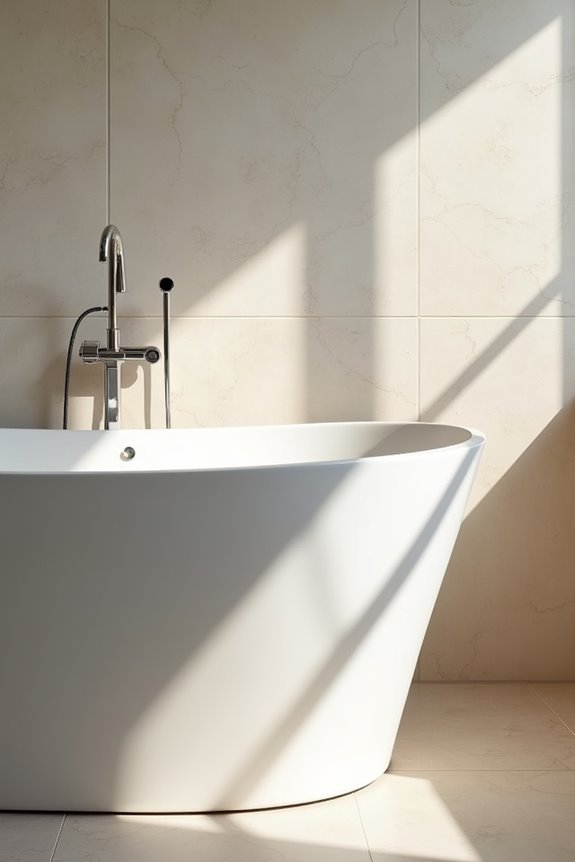
Most standard bathtubs you’ll find in homes have an apron, the front wall or skirt of the tub, that stands 14 to 16 inches high from the floor. This step-over height works well for families with children and most adults. The apron height shapes how your standard tub looks and fits in your bathroom space.
When you’re planning a remodel, this measurement matters. A 14 to 16 inch apron typically lines up with common plumbing and tile layouts, making installation straightforward. For accessibility and aging-in-place needs, you might consider a lower apron so stepping over becomes easier. Check that your apron height works with door openings, toe-kick space, and nearby fixtures to prevent problems. Getting this right ensures your bathroom functions smoothly for everyone.
Why Your Bathtub Feels Shallower Than Its Specs: Material and Basin Shape
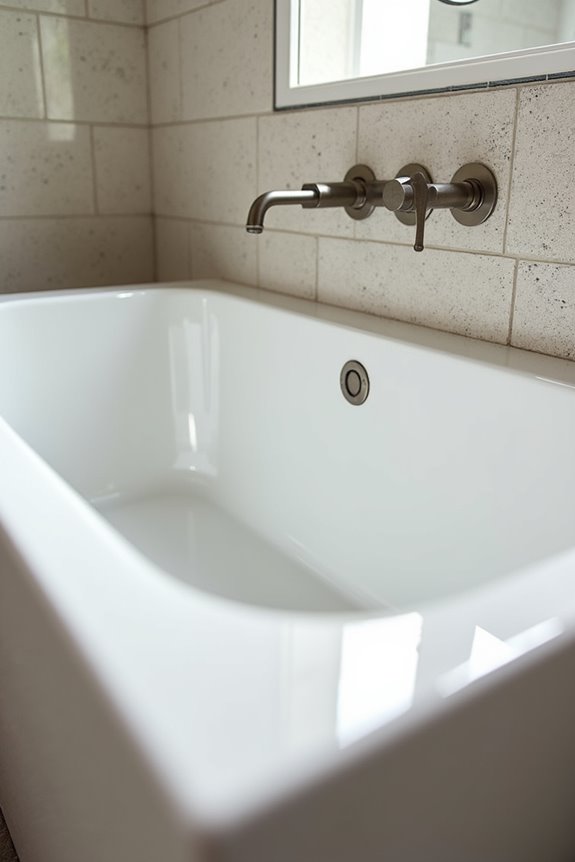
Have you ever noticed that your bathtub doesn’t feel as deep as the manufacturer claims? The reason comes down to how your tub’s interior basin is shaped and what material it’s made from.
- Material thickness matters: Acrylic and fiberglass walls are about 1 inch thick, while cast iron can be 2+ inches, eating into your interior basin space and reducing how much room you actually have to soak.
- Basin shape affects usable depth: Your bathtub depth feels shallower because backrests and hip placement take up soaking space, even when exterior measurements seem generous.
- Real soaking tub depth differs from specs: While exterior depths reach 20+ inches, your actual usable water depth is typically 14–16 inches due to overflow design.
These factors directly impact your comfort and should guide your tub selection.

【Deep Soaking Relaxation】 in spa-level comfort at home with this 67-inch acrylic freestanding bathtub, featuring a generous 17–18 inch soaking depth. The ergonomic stand alone tub contours offer complete back and lumbar support, transforming daily baths into stress-relieving escapes for your bathroom or hotel suite.

Modern Luxury Design: WHALEKING corner right drain freestanding bathtub provide unparalleled relaxation soaking experience to each customer. Intergrated round corner apron panel features a seamless appearance. The white glossy finish completes the contemporary design of this soaking bathtub that would be a great addition to any bathroom. Enjoy stress-relief and effortless maintenance with WHALEKING premium soaking tub.

【Deep Soaking Comfort for Everyday Relaxation】Experience pure comfort with this Acrylic Skirted Soaking Bathtub, designed for full-body immersion. The ergonomic interior supports your posture while relieving tension from shoulders to legs. Whether it’s a relaxing soak after a long day or bath time with your kids, this Alcove Soaking Bath Tub transforms your bathroom into a calming, spa-like retreat.
Measure Before You Buy: Checking Clearance and Rough-In Requirements
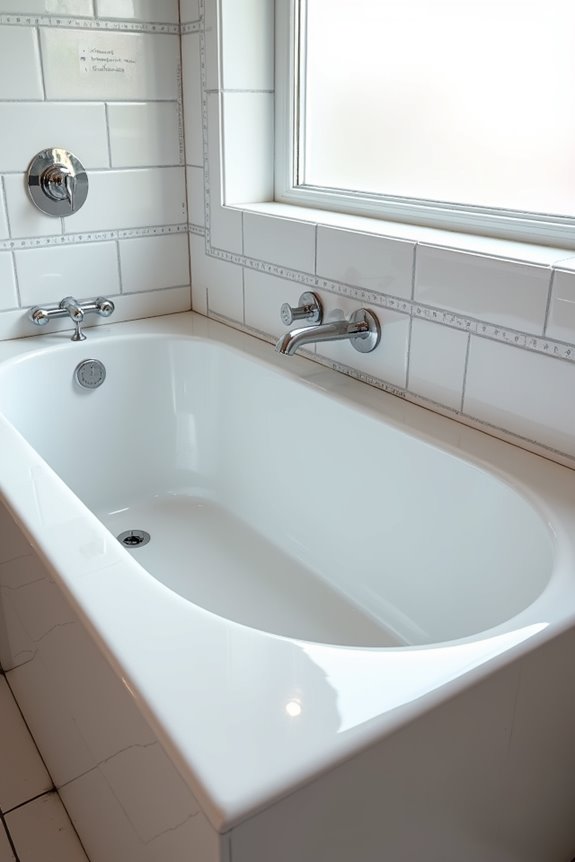
When you’re ready to install a new bathtub, taking accurate measurements of your space is essential. Measure your alcove tub’s wall-to-wall distance at the floor, middle, and top. Use the smallest measurement to ensure your tub will fit properly.
| Clearance Type | Minimum Distance |
|---|---|
| Front clearance | 24–30 inches |
| Side clearance | 12 inches |
| Freestanding clearance | 4–6 inches |
For rough-in planning, add 6 inches in length and 4 inches in width to account for backer board, tiling, and leveling adjustments. These extra measurements prevent costly mistakes. Side clearance of at least 12 inches from the tub edge allows comfortable access to fixtures. Accurate measurements at this stage eliminate problems during installation.