
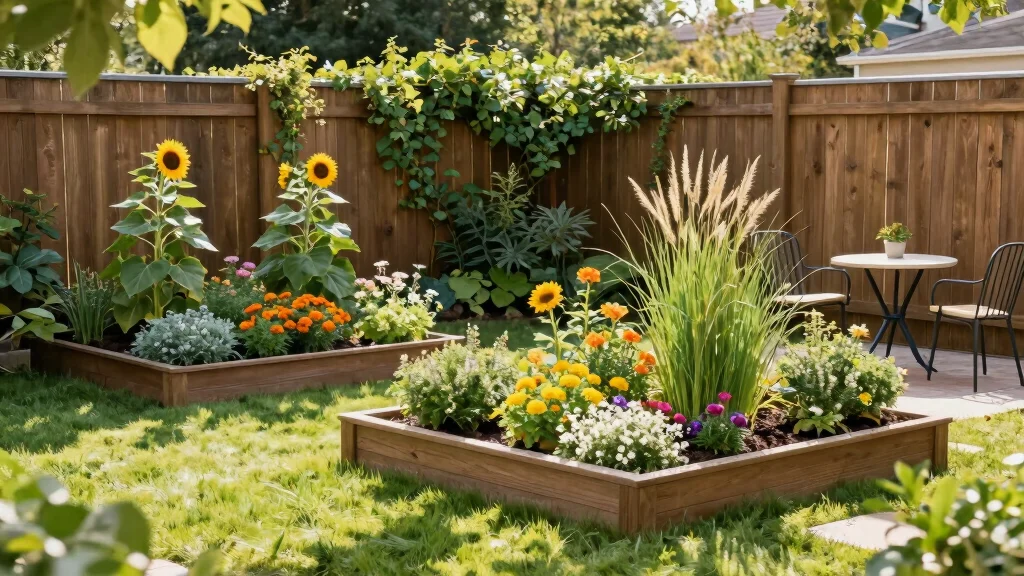

Creating the perfect outdoor space often comes down to one essential element: privacy. Whether you’re relaxing with a book, entertaining friends, or enjoying time with family, you want to feel at ease in your backyard. That’s why I put together this guide on raised flower beds along the fence. These charming additions not only beautify your yard but also act as a natural barrier for added seclusion.
If you’re a homeowner craving a peaceful retreat, this post is designed for you. You care about aesthetics and functionality, and you’re likely seeking creative ways to enhance your outdoor area. Each idea in this collection caters to those who appreciate both design and practicality, especially when it comes to backyard privacy solutions.
In this blog post, you’ll discover 16 unique raised garden bed designs that will transform your fence line into a lush sanctuary. From tiered flower beds to vertical garden walls, each option offers a new way to achieve the privacy you desire while adding beauty to your space. You’ll get tips on how to incorporate herbs, edibles, and even decorative elements, giving you the chance to express your own style while enhancing your outdoor oasis.
Key Takeaways
– Enhance Privacy: Raised flower beds along the fence create a visual barrier, allowing you to enjoy your backyard without feeling exposed to neighbors.
– Stylish Designs: Explore a variety of raised garden bed designs, from rustic wooden options to modern metal planters that suit any aesthetic.
– Functional Spaces: Incorporate built-in seating or tiered designs to make the most out of your outdoor space while providing extra comfort and usability.
– Low-Maintenance Ideas: Consider succulent and cactus gardens for a low-maintenance approach, perfect for busy homeowners who still want a vibrant garden.
– Seasonal Interest: Choose seasonal flower beds that provide color and interest throughout the year, ensuring your yard always looks inviting and lively.
1. Tiered Flower Beds for a Multi-Dimensional Look
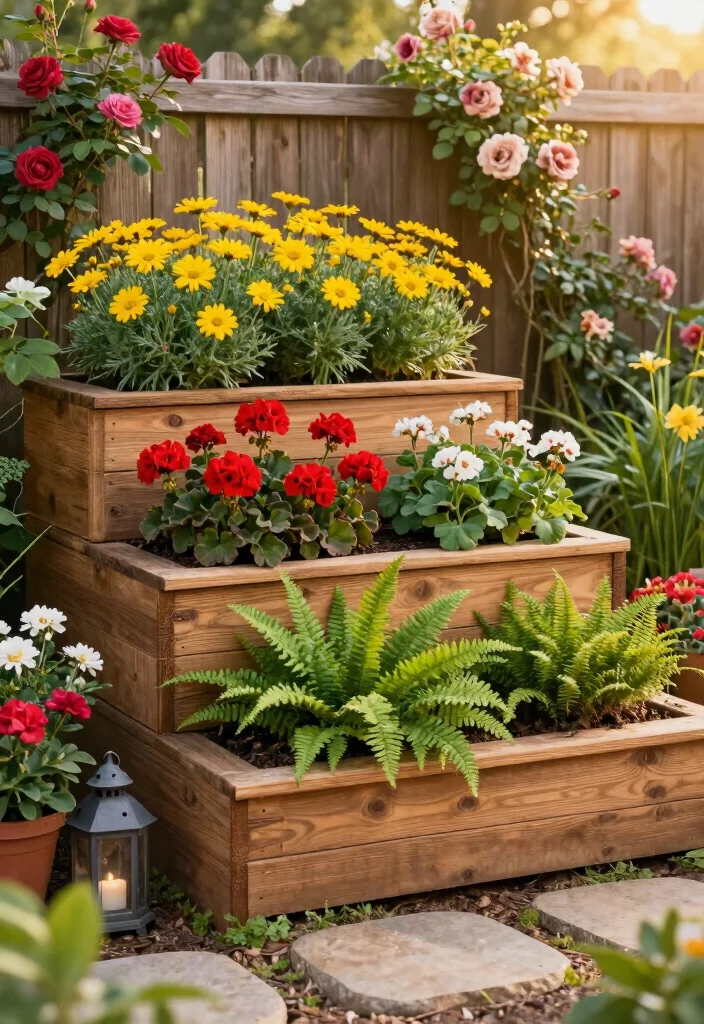
Tiered flower beds bring a captivating depth to your garden, creating an enchanting visual experience. By stacking your beds at varying heights, you not only enhance privacy but also encourage a dynamic garden environment that feels expansive. Imagine lush blooms like vibrant petunias on the top tier cascading down to delicate ferns below, creating a stunning layered effect.
To implement tiered beds, consider using reclaimed wood for a rustic charm or sleek concrete for a modern twist. Choose perennials for the lower tiers to enjoy returning color each year, ensuring your garden remains lively and inviting.
Consider these tips for your tiered design:
– Use lightweight soil for easy handling.
– Ensure adequate drainage to protect plant roots.
– Incorporate diverse plant heights and colors for a rich visual tapestry.
With thoughtful design, tiered flower beds can transform your outdoor space into a charming private retreat.
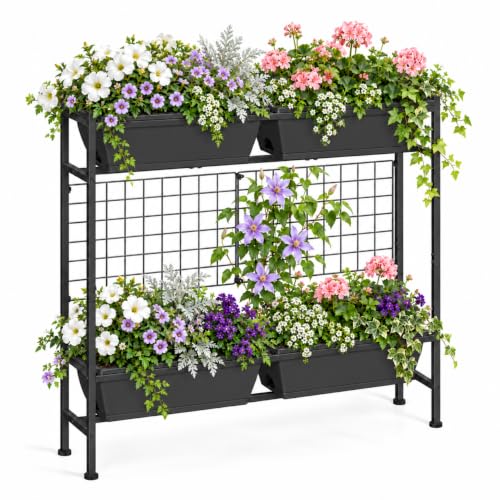
【 Vertical Raised Garden Bed with Trellis】Perfect for home gardening lovers, this raised garden beds outdoor with 4 flower pots let you plant vegetables, herbs, and flowers in separate planters while the 11-inch trellis supports climbing plants like tomatoes, strawberries, vines, and peppers. The planters for indoor plants create a optimal environment for your plants to thrive.

【Patent Pending】Mesh Design: Compared with the other garden fences, The OUSHENG fence adopts a new generation of dense mesh design, with smaller spacing that can effectively block some small animals from approaching your plants, vegetable. This may not stop large dogs from digging all over your garden, but it will act as an extra barrier.

Perfect Fit: A complete plant protector from animals kit, including a roll of 11.8ft x 16in green chicken wire mesh, 4 metal supports, 20 zippers, and 10 U-shaped garden stakes to help you firmly secure. Designed specifically for 4 * 2 * 1ft raised garden beds, planters.
2. Vertical Garden Walls for Space-Saving Solutions
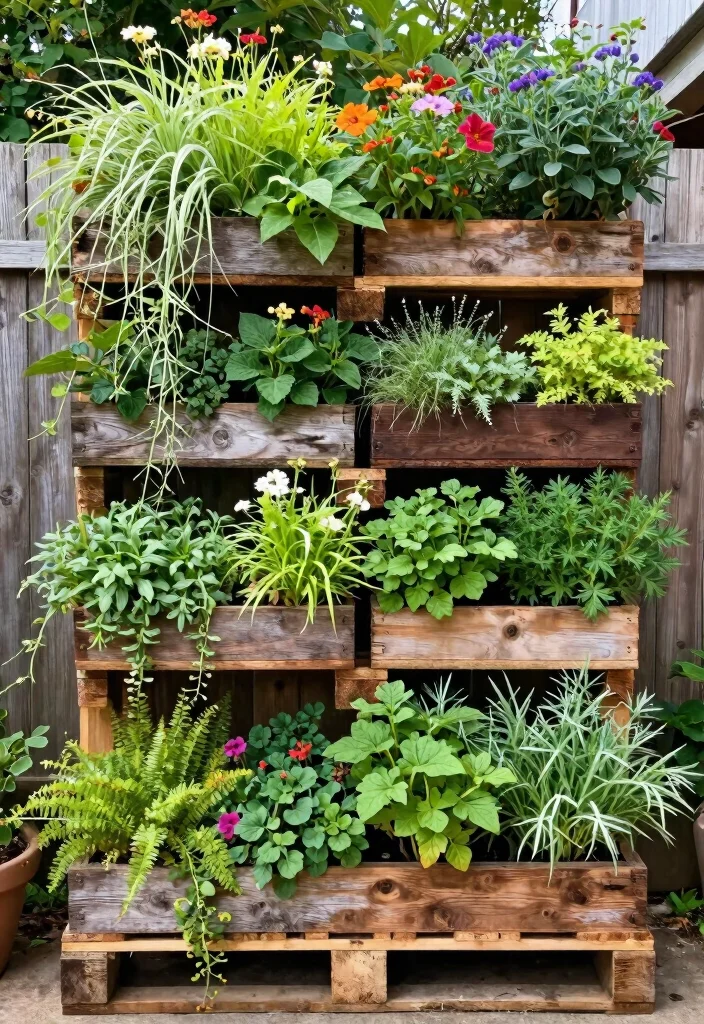
Vertical garden walls are a fantastic solution for homeowners seeking privacy without sacrificing space. These structures can be crafted from wooden pallets or trellises, allowing climbing plants to flourish into a stunning green wall. Picture vibrant vines or hanging flowers creating a lush backdrop that not only screens your space but also beautifies it.
Opt for drought-tolerant plants like lavender or herbs that thrive in vertical arrangements, adding both beauty and utility to your garden. This clever design not only maximizes your area but also enhances your garden’s functionality.
Here are some tips for your vertical garden:
– Mix various container types for added texture.
– Install a drip irrigation system for easy watering.
– Ensure all plants receive adequate sunlight.
With a little creativity, vertical gardens can elevate your fence line into a vibrant, green sanctuary.

Stair-Step Frame: The overall size of the frame is 46" x 46" x 24"; The stair-step design maximizes use of vertical space, allowing each layer to hold enough soil; Each tier features bottom drainage holes to prevent waterlogging; Ample planting space to arrange your greens according to mature plant size, ideal for vegetables, flowers and herbs

【SIZE】: Vertical garden planter size: 33.1*18*28.7 inches.

【3 Tier Raised Garden Bed】The vertical garden planter adopts 3 tier design, so there is enough space to plant and divide vegetables, herbs, flowers, etc. Save a lot of space for you and keep your garden well organized.
3. Herb Spiral Gardens for Functionality and Aesthetics
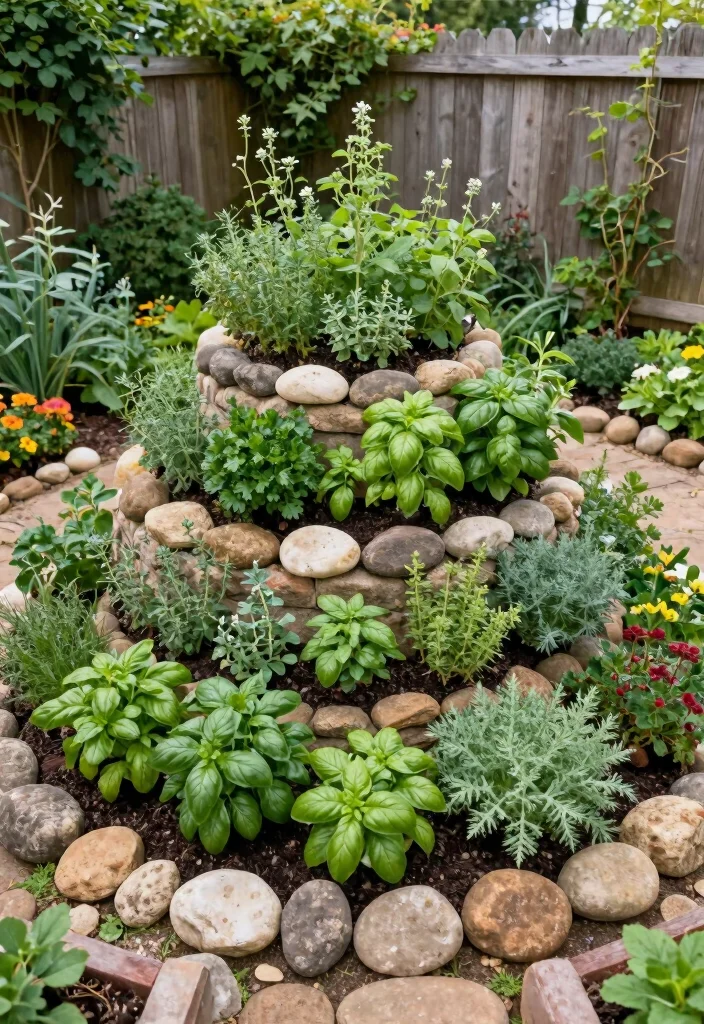
Herb spiral gardens offer a delightful blend of beauty and practicality, making them an excellent choice for your fence-line space. This design features a circular spiral structure, filled with aromatic herbs like basil, oregano, and rosemary, providing culinary delights as well as visual intrigue. The height variations not only attract pollinators but also create different growing conditions for each herb.
The spiral shape encourages diverse microclimates, with drier conditions at the top for low-water herbs and moisture-retaining areas at the bottom for others. This makes accessing fresh herbs while cooking a breeze.
Consider these benefits:
– Enjoy easy access to fresh herbs.
– Create an eye-catching focal point.
– Maximize limited space sustainably.
Incorporating an herb spiral into your garden can enhance both its functionality and aesthetic charm.
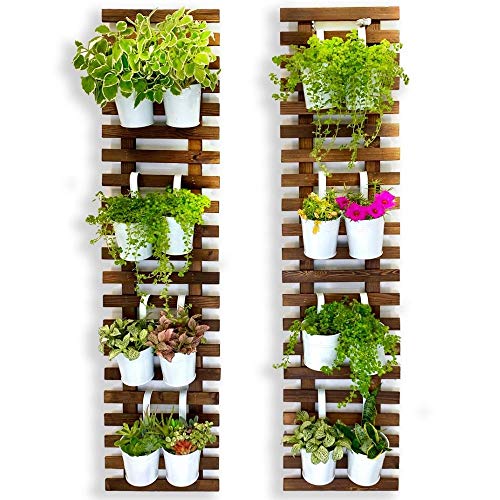
29x120cm (11.4" x 47.2") x 2 pcs. Plants, flowers, pots, decorations are NOT included

【36 Pocket Vertical Garden】Features 36 individual planting pockets, allowing you to grow herbs, flowers, succulents, strawberries, vegetables, and other plants while maximizing vertical space.

4. Edible Flower Beds for a Colorful Twist
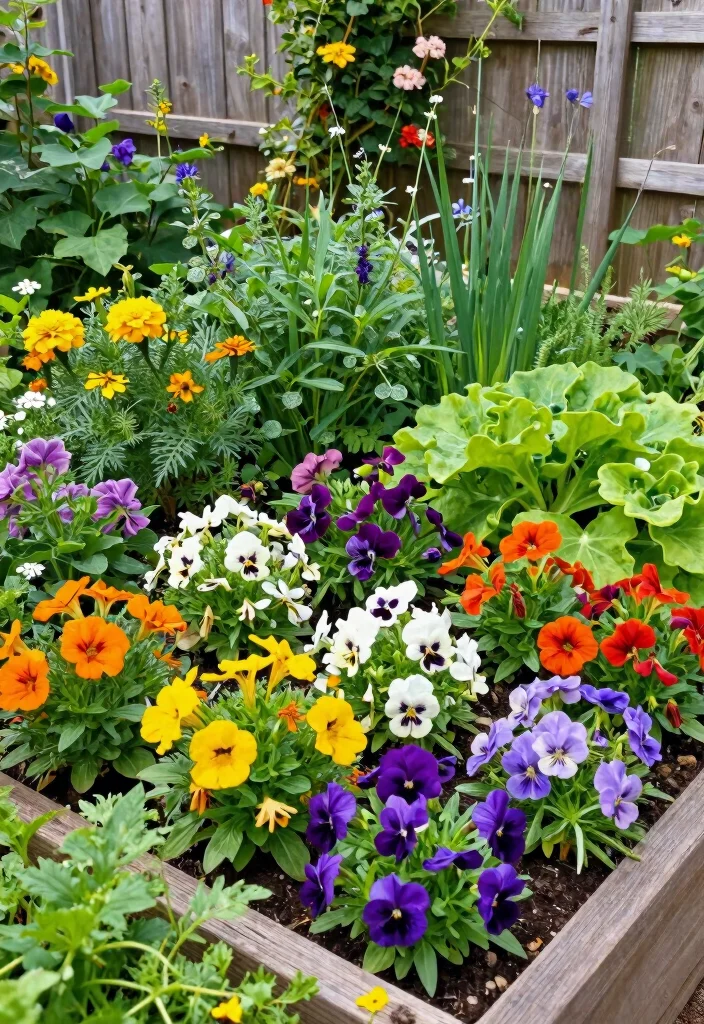
Edible flower beds add a delightful splash of color while providing unique culinary options for your meals. Flowers like nasturtiums, pansies, and marigolds not only brighten your garden but are also safe to eat, allowing you to create beautiful salads and desserts. Position these beds along your fence for both aesthetic appeal and fresh ingredients for your kitchen.
You can easily mix edible flowers with herbs and vegetables, creating a diverse garden that attracts pollinators and enriches your outdoor space. This combination not only looks great but also benefits your plants’ health.
Here are some tips for incorporating edible flowers:
– Research climate-appropriate varieties.
– Use well-draining soil for healthy growth.
– Experiment with arrangements for visual interest.
With thoughtful planning, edible flower beds can elevate both your meals and the beauty of your garden.

Multifunctional Design: This garden planter is separated into two growing areas for different plants or planting methods. The baffle can be removed to form a bigger growing area.

This solid wooden rectangular planter can accommodate a considerable number of plants or flowers

[Large Rectangular Garden Bed]: Boasting 48" x 24" x 10" planting space, the raised garden bed allows you to cultivate a diverse array of plants, including vegetables, flowers, fruits or herbs. Therefore, you can create a thriving garden.
5. Rustic Wooden Beds for a Country Charm
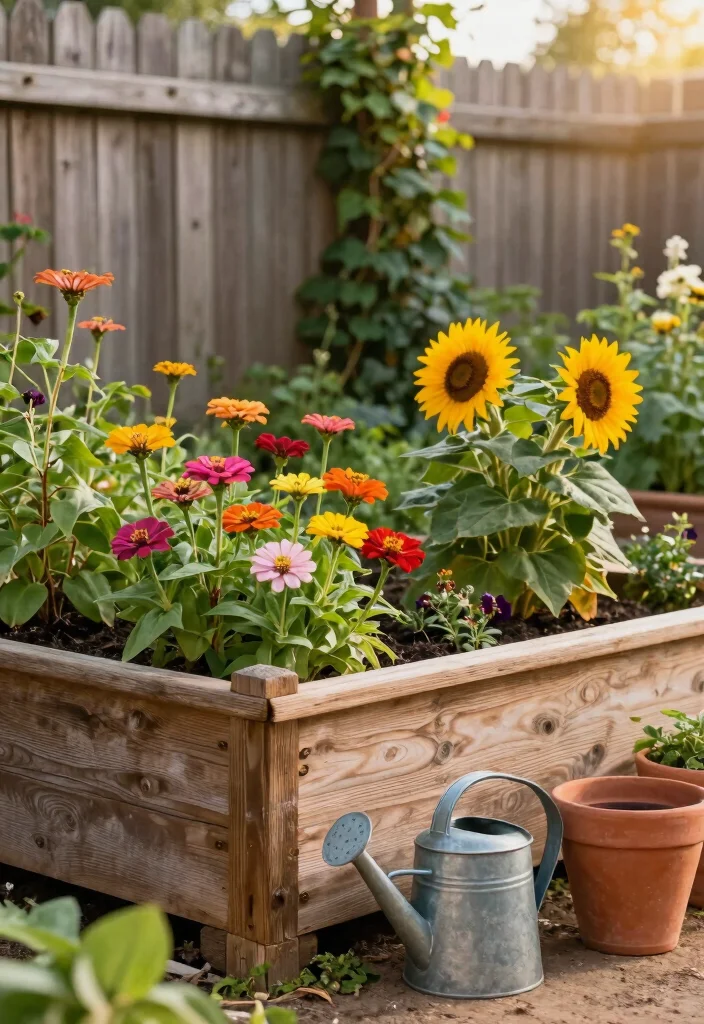
Rustic wooden raised beds evoke a cozy farmhouse vibe, seamlessly blending with the natural surroundings. Constructing these beds from reclaimed wood or cedar creates a warm, inviting atmosphere in your backyard. They serve as a gorgeous backdrop for colorful blooms like zinnias and sunflowers, enhancing both beauty and productivity.
Strategically positioning these wooden beds along your fence can create a welcoming landscape. Fill them with an array of plants that complement the wood’s tones, enriching your garden’s appeal.
For maintaining your wooden beds:
– Treat with natural oils to extend their lifespan.
– Regularly check for pests or rot.
– Pair with rustic elements like terracotta pots for a cohesive look.
Rustic wooden raised beds not only beautify your outdoor space but also foster a warm, inviting environment for relaxation.

Includes 6qt of Back to the Roots Succulent & Cacti Mix Potting Soil. Carefully crafted with succulents and cacti in mind, this specialized blend provides the perfect nutrient balance for optimal growth

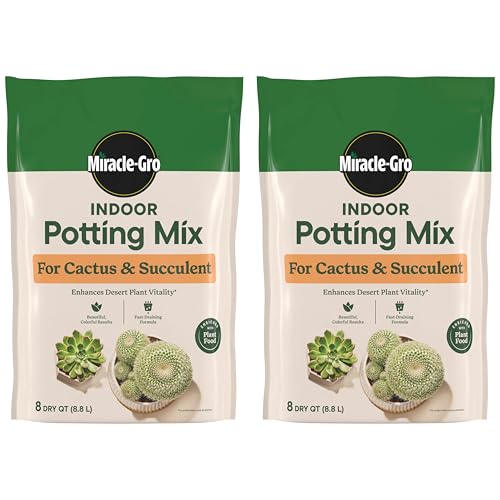
Miracle-Gro Indoor Potting Mix for Cactus and Succulent is enriched with Miracle-Gro Plant Food and enhances desert plant vitality (vs unfed plants when used as directed)
Key Trade-offs & Our Top Pick
When considering raised flower beds along a fence, you have a few solid options to choose from. Below, we break down three main choices, highlighting their pros and cons to help you make the best decision for your backyard privacy solutions.
Option 1: Tiered Flower Beds
– Pros:
– Creates a visually appealing, multi-dimensional look.
– Allows for a variety of plants at different heights, maximizing light exposure.
– Excellent drainage, which helps prevent root rot.
– Cons:
– Can be more expensive to construct due to materials and design complexity.
– Requires more maintenance to keep soil levels even.
– Not ideal for areas with limited space.
– Best for: Homeowners looking for an aesthetically pleasing garden that showcases a range of flowers and plants.
Option 2: Vertical Garden Walls
– Pros:
– Space-saving solution ideal for small backyards.
– Increases privacy without taking up too much ground area.
– Allows for creative expression with various plant types and wall designs.
– Cons:
– Initial setup can be time-consuming and requires some DIY skills.
– Limited choice of plants; not all thrive in vertical settings.
– Can be more challenging to maintain as plants grow.
– Best for: Homeowners in urban areas or those with limited space looking to add greenery.
Option 3: Raised Beds with Built-in Seating
– Pros:
– Multi-functional; serves as both a garden and a seating area.
– Encourages outdoor relaxation while enjoying your garden.
– Can be a great way to maximize utility in smaller yards.
– Cons:
– Requires more upfront planning and design work.
– May lead to limited planting space compared to traditional beds.
– Can be challenging to access plants for maintenance.
– Best for: Homeowners who want to create a relaxing outdoor space alongside their garden.
Expert Recommendation:
Best Overall: Tiered Flower Beds
Tiered flower beds take the top spot for their balance of beauty and functionality. They provide excellent drainage, flexibility in plant selection, and a stunning visual effect that enhances your yard’s overall appeal. Plus, they offer a long-lasting solution for privacy and can fit various budgets, making them a worthwhile investment in your outdoor space.
Why We Picked This:
While tiered flower beds are versatile and visually striking, some may prefer vertical garden walls for their space-saving qualities, especially in urban settings. On the other hand, those looking for a cozy garden seating area might lean toward raised beds with built-in seating. Each option has its merits based on your specific needs and the design of your backyard. Consider what matters most to you—be it aesthetics, function, or space—when making your choice!

【Our animal barrier fence is not suitable for blocking large animals or pets.【

Deer Resistant Fence: Equipped with Deer Resistant fence, this raised garden bed kit provides an additional layer of protection, keeping unwanted animals at bay and safeguarding your plants.

3‑IN‑1 METAL PLANTER BOX Versatile design: This versatile metal planter box functions as an outdoor raised garden bed, a flower trellis, and a privacy screen, perfect for growing climbing plants, vegetables, and vines. It’s an ideal space-saving solution, while adding tasteful privacy to any patio, lawn & garden
6. Modern Metal Planters for a Sleek Aesthetic
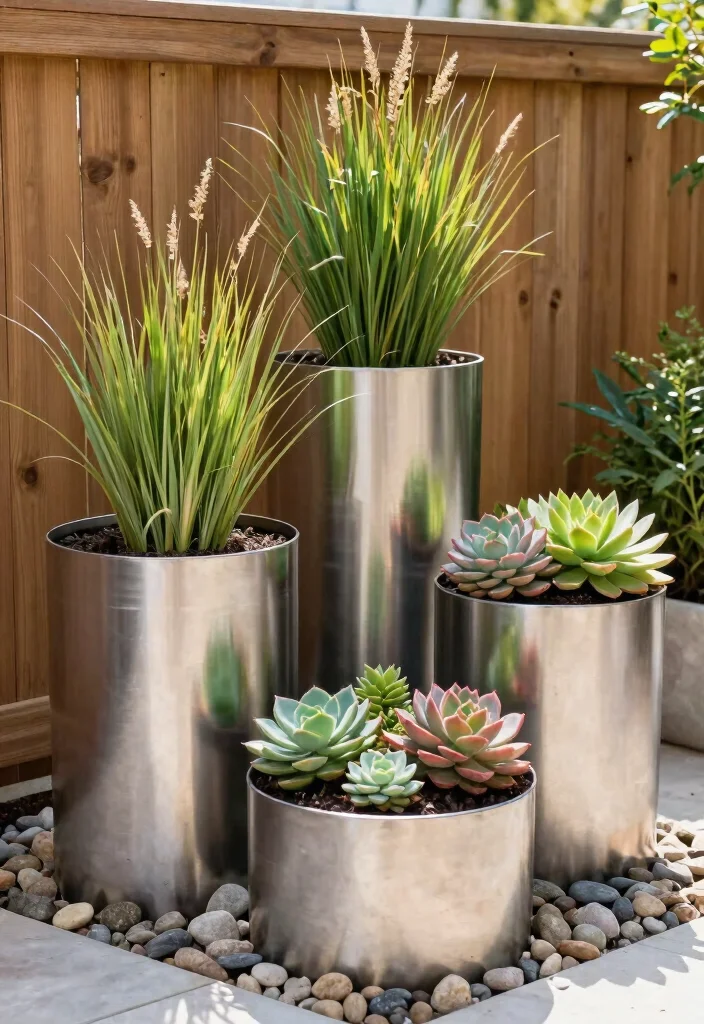
For a contemporary touch, modern metal planters can transform your fence-line garden into a stylish showcase. Available in various shapes and sizes, these planters allow you to customize your garden while creating striking visual displays. Fill them with bold ornamental grasses or succulents for an eye-catching contrast against a wooden fence.
The reflective quality of metal planters adds an edgy sophistication to your garden, especially when combined with diverse heights and styles. This contrast creates a dynamic layering effect.
To enhance your metal planters:
– Select plants suited for your garden’s conditions.
– Combine with natural materials for added depth.
– Use trays to manage excess water.
With creativity, modern metal planters can elevate your fence-line garden into a chic retreat.

Natural Wooden Construction: Made from natural fir wood without harmful painting for a rustic, natural look.

🌿 Solid Fir Wood with Rustic Outdoor Style: Made of natural fir wood with a warm carbonized finish, this elevated raised garden bed adds a polished, furniture-like look to patios, balconies, porches and backyards. The sturdy wooden frame and smooth boards create a natural garden display that feels more refined than ordinary plastic planters.

5 Separate Planting Boxes: Five individual planter boxes provide dedicated growing areas for herbs, vegetables, flowers and succulents, making it easier to keep different plants organized within one compact vertical garden instead of spreading multiple pots across the floor.
7. Colorful Pallet Gardens for Creative Expression
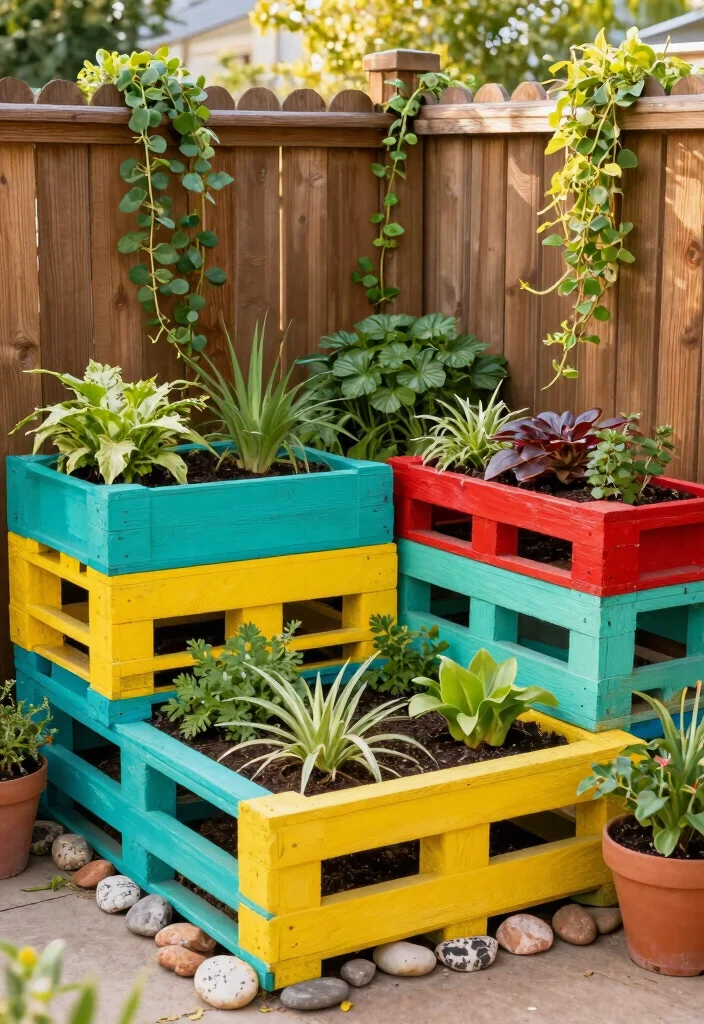
Pallet gardens offer a unique opportunity to repurpose materials while infusing vibrant colors into your backyard. By stacking or leaning wooden pallets against your fence, you can create innovative planting spaces for flowers and herbs, showcasing your creative flair. Paint the pallets in bright hues for an energetic look or keep them natural for a rustic charm.
Fill the slats with soil and diverse plants, ensuring proper drainage to keep everything healthy and thriving. This eco-friendly approach not only beautifies your space but also provides a fun gardening project.
Here are some tips for creating pallet gardens:
– Use landscape fabric to prevent weed growth.
– Incorporate trailing plants for a lush effect.
– Secure pallets to prevent tipping.
With a little effort, pallet gardens can transform a plain fence line into a colorful, artistic environment.

STURDY WALL-LEANING DESIGN: Designed to lean against a wall, fence or balcony side, this vertical garden planter saves floor space while offering added support. The sturdy angled frame helps reduce wobbling, making it a smart tight-space solution for patios, balconies, porches, decks and small gardens.

SPACE-SAVING VERTICAL GARDEN – Create a lush green wall with 12 plants in a compact 23.5"L x 25.5"H x 5.5"D frame, perfect for small apartments, patios, or balconies.

【Automatic Watering System】: This vertical garden planter has an automatic watering pot that will automatically water the plants every few days, saving you the hassle of daily watering and saving time. Also a thoughtful gift for busy people or working moms.
8. Raised Beds with Built-in Seating for Functionality
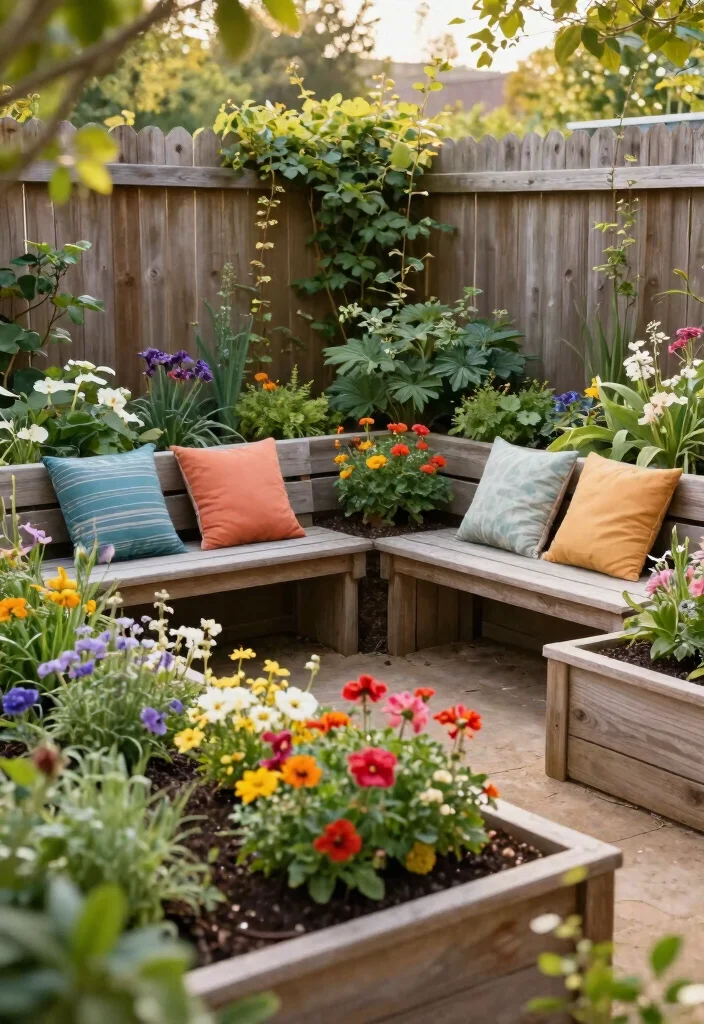
Combining raised flower beds with built-in seating creates a functional and inviting area in your garden. This design maximizes space and offers a cozy spot to relax while enjoying the beauty of your plants. Construct benches or seating ledges around the beds to create an ideal gathering place for family and friends.
Using native plants that attract pollinators enhances the atmosphere, making your outdoor space even more inviting. This approach adds both utility and charm to your garden.
Consider these suggestions for your seating:
– Build benches with storage for garden tools.
– Use weather-resistant materials for longevity.
– Incorporate cushions for extra comfort.
By integrating raised beds with seating, you can transform your fence line into a serene retreat for relaxation.
Turn fence-line space into a cozy, functional retreat with raised flower beds along the fence and built-in seating. It saves space, invites chats, and adds charm. Plant native bloomers to attract pollinators and keep the area lively all season.

Garden Planter Boxes: Our rustic raised planter offers three wooden flower boxes, so you can organize plants by type (flower, herb, and vegetable), color, or soil requirement.

【Washed Antique White Style】Crafted with a charming washed antique white finish, this garden cart planter offers ample space to nurture a variety of plants. Its generous dimensions provide a safe and spacious home for your flowers, herbs, and vegetables. Designed with practical drainage holes, it promotes healthy root systems by preventing waterlogging and root rot.
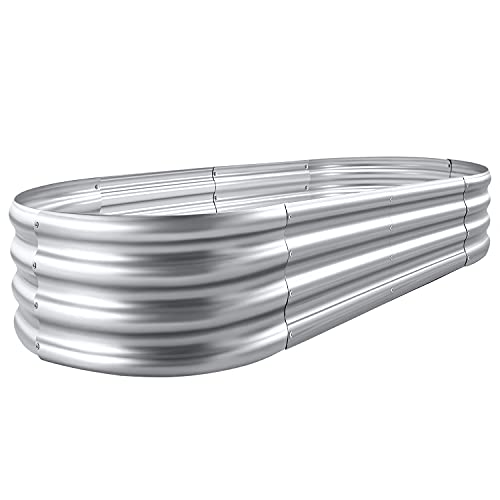
Each raised metal garden bed size: 4×2×1ft ,7.14Cu
9. Succulent and Cactus Gardens for Low-Maintenance Appeal
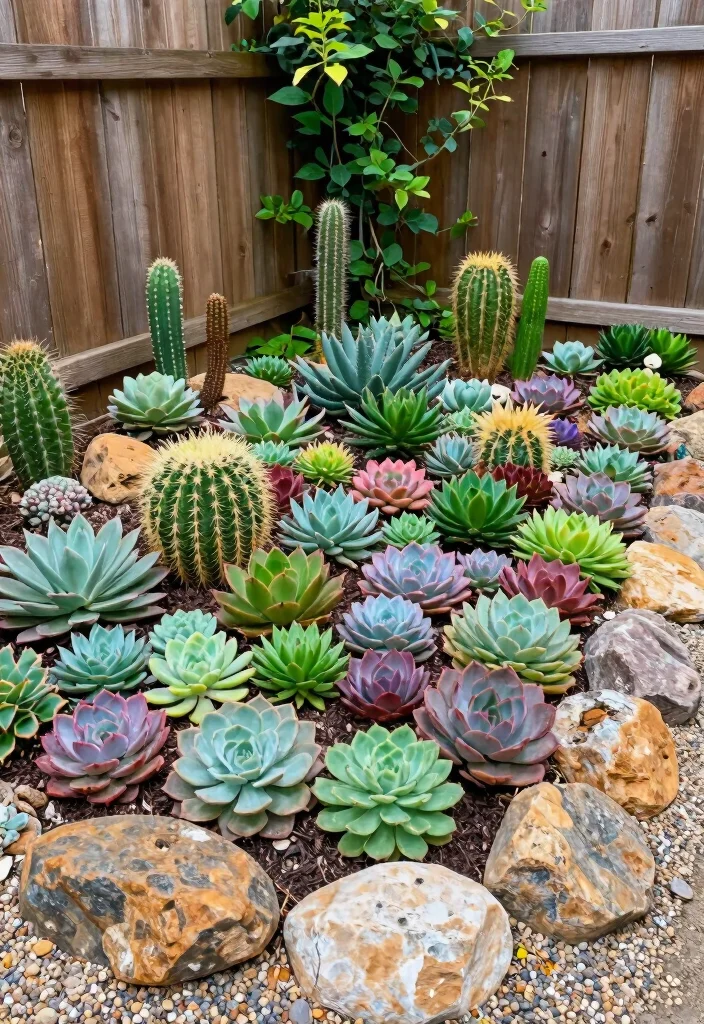
Succulent and cactus gardens offer a beautiful, low-maintenance solution for busy homeowners. These resilient plants thrive in various conditions, making them perfect for raised beds along your fence. Arrange a diverse mix of succulents and cacti to create a stunning visual display that requires minimal upkeep.
The unique shapes and colors of these plants create an eye-catching garden while providing privacy. Enhance the aesthetic with decorative rocks or gravel for added texture and effective drainage.
Here are some tips for crafting your succulent garden:
– Group plants with similar water needs.
– Choose various sizes and colors for visual interest.
– Use raised beds to improve drainage and warmth.
A succulent garden not only beautifies your outdoor area but also offers effortless charm year-round.


10. Flowering Vines on Trellises for Vertical Privacy
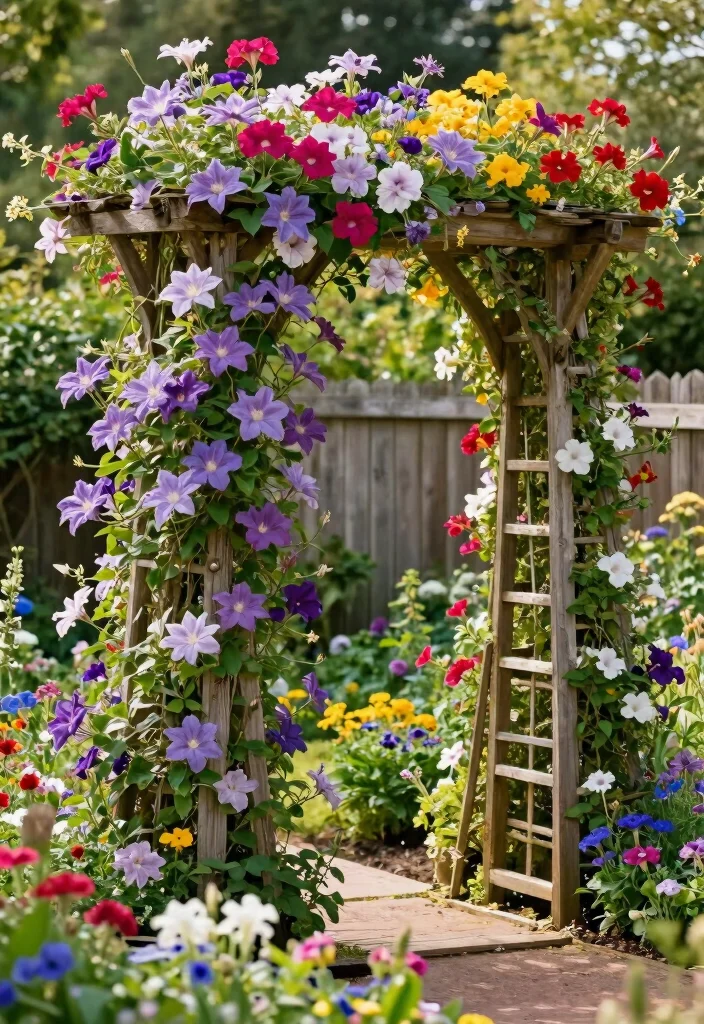
Enhancing your fence-line with flowering vines on trellises creates a beautiful vertical privacy solution. By allowing climbing plants to flourish, you can craft a lush green wall that provides seclusion while bursting with color. Vines like clematis and wisteria add charm and vibrancy to your outdoor space.
Trellises can be fashioned from wood or metal, offering a canvas for your creative gardening ideas. As the vines grow and bloom, they soften the fence lines while providing shade and privacy.
For installing trellises:
– Ensure sturdy anchoring to withstand growth.
– Mix various vine types for captivating dynamics.
– Position in sunny spots for optimal growth.
Incorporating flowering vines can transform a simple fence into a romantic and colorful haven.
Fun fact: A 6-foot trellis filled with flowering vines can create a private green curtain along the fence that blocks sightlines from neighbors. Clematis and wisteria bloom from spring through summer, turning bare fence lines into vibrant, fragrant privacy.
11. Low-Profile Beds for a Minimalist Look
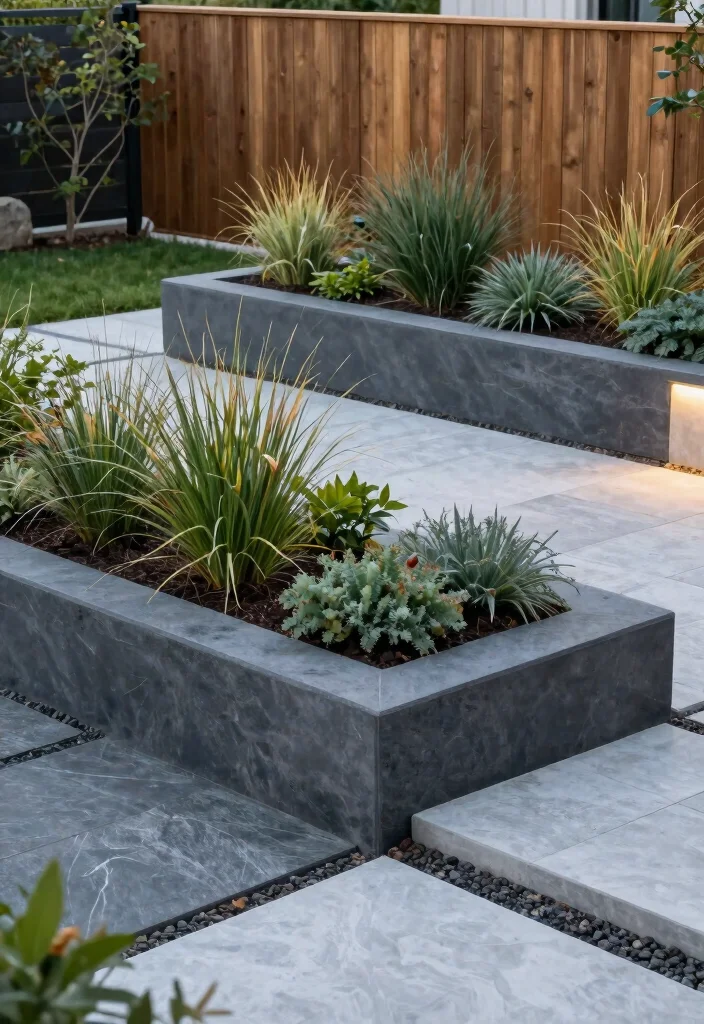
If you prefer a sleek contemporary style, low-profile raised beds can achieve a minimalist aesthetic while providing privacy. These beds sit closer to the ground, offering a streamlined design that complements modern landscaping. Fill them with ornamental grasses or low-growing perennials to maintain a clean look while blocking sight lines.
The versatility of low-profile beds allows easy integration with other landscape features. Choose from materials like stone or concrete to match your home’s exterior seamlessly.
To enhance their appeal:
– Use native plants for easy maintenance.
– Incorporate pathways for accessibility.
– Add lighting for evening ambiance.
With careful planning, low-profile raised beds can maintain privacy while adding elegance to your garden.
12. Colorful Flower Borders for a Lively Fence Line
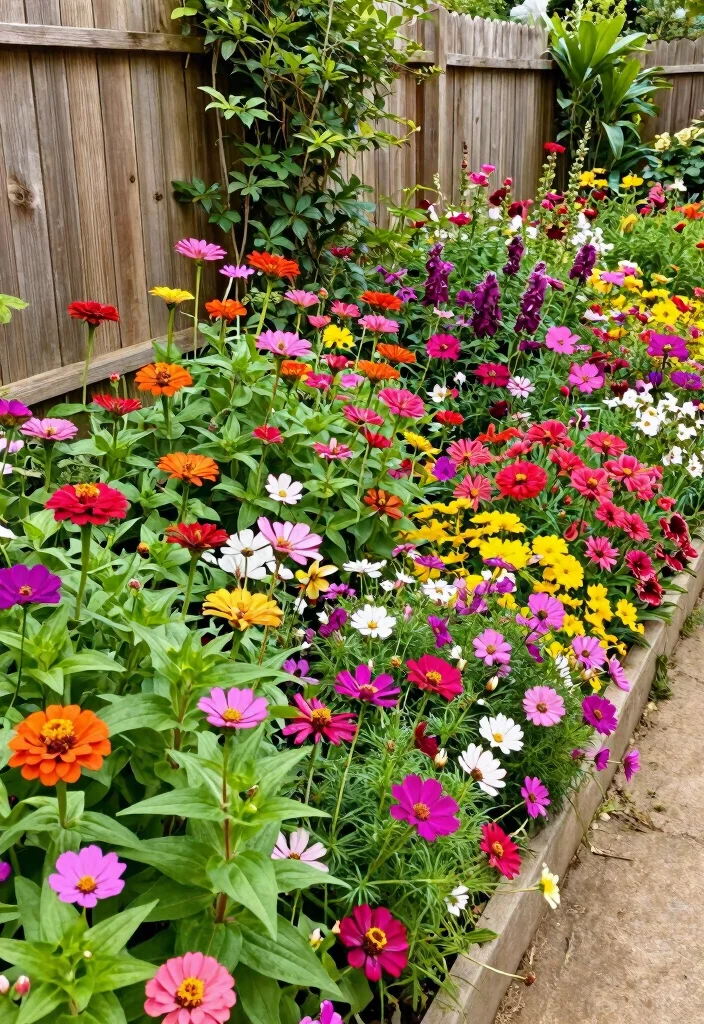
Colorful flower borders can infuse life and vibrancy into your outdoor space, especially along your fence line. By planting a blend of annuals and perennials, you can ensure a continuous show of blooms throughout the seasons. Flowers like zinnias and snapdragons bring cheer while creating a natural barrier.
This approach allows flexibility; you can refresh your planting scheme each year for renewed excitement. Incorporating companion plants invites pollinators and beneficial insects, enriching your garden’s ecosystem.
Here are some design tips for flower borders:
– Layer plants by height for visual depth.
– Select plants with varying bloom times for ongoing interest.
– Use mulch to retain moisture and suppress weeds.
With colorful flower borders, your fence line can become a vibrant feature that enhances both privacy and beauty.
13. Zen Garden Elements for Tranquility
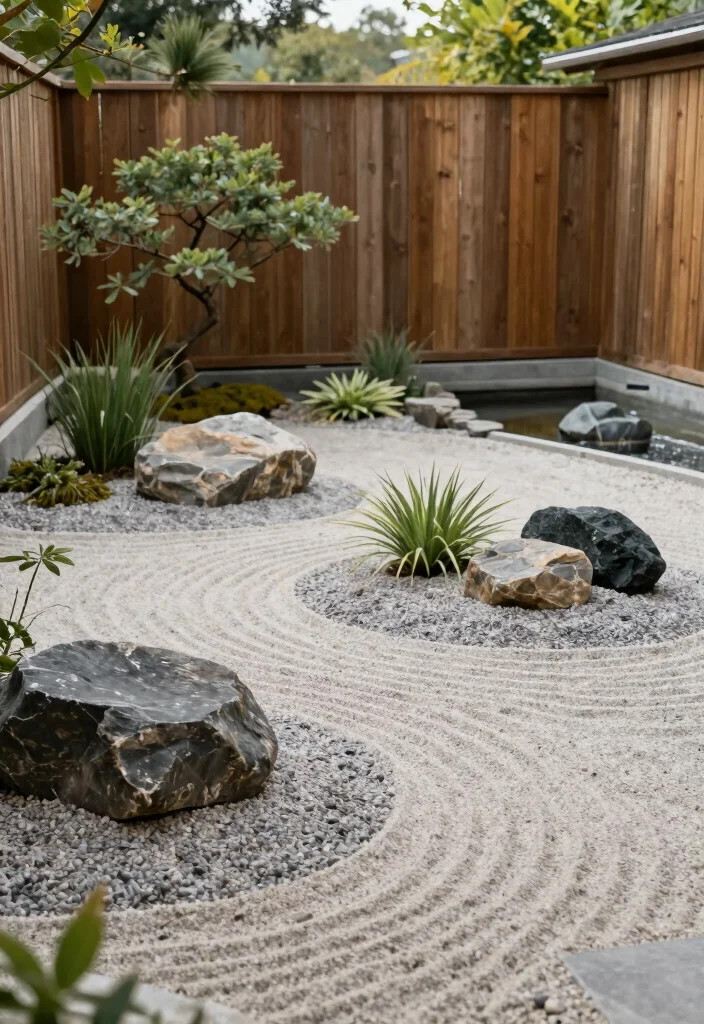
For a peaceful retreat, consider adding Zen garden elements to your fence-line privacy design. Raised beds filled with sand, gravel, and carefully placed stones create a space dedicated to tranquility and mindfulness. Surround these beds with low-maintenance plants like succulents that align with the Zen philosophy.
This minimalist approach not only promotes relaxation but also maintains privacy. Pathways made from stepping stones guide visitors through your serene environment.
For designing a Zen garden:
– Use natural materials to harmonize with nature.
– Keep plantings sparse for a calming aesthetic.
– Consider a water feature for soothing sounds.
Incorporating Zen elements can transform your backyard into a tranquil haven.
14. Butterfly Gardens for Pollinator-Friendly Spaces
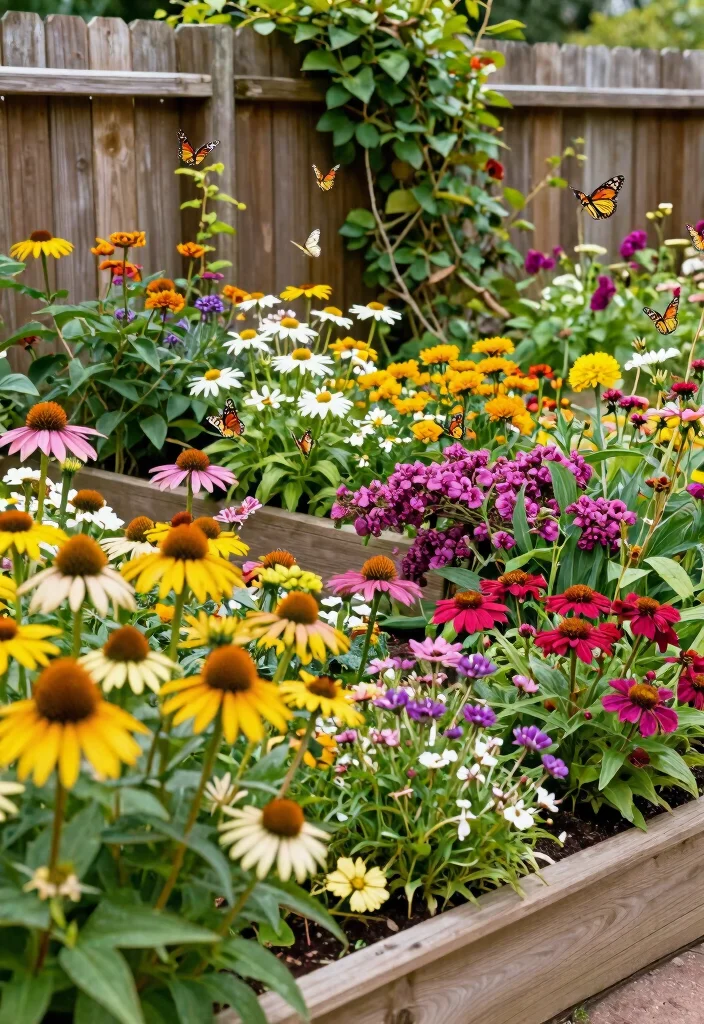
Creating a butterfly garden along your fence line enhances both privacy and the beauty of your outdoor space while attracting pollinators. By planting nectar-rich flowers like coneflowers and butterfly bushes, you can craft a vibrant sanctuary for butterflies and beneficial insects. This not only beautifies your garden but also supports local ecosystems.
Positioning these raised beds along your fence can create a natural sound barrier while providing a habitat for these lovely creatures.
To ensure your butterfly garden thrives:
– Choose plants that bloom at various times for continuous nectar.
– Avoid pesticides to protect these delicate pollinators.
– Provide shallow water dishes for butterflies to drink.
A butterfly garden nurtures a lively environment that fosters both privacy and nature.
Did you know that a butterfly garden along fence lines can attract up to 40% more pollinators and soften noise from neighbors? Plant nectar-rich blooms like coneflowers and butterfly bushes in raised flower beds along fence to boost privacy and wildlife habitat. A practical, beautiful upgrade for any backyard.
15. Seasonal Flower Beds for Year-Round Interest
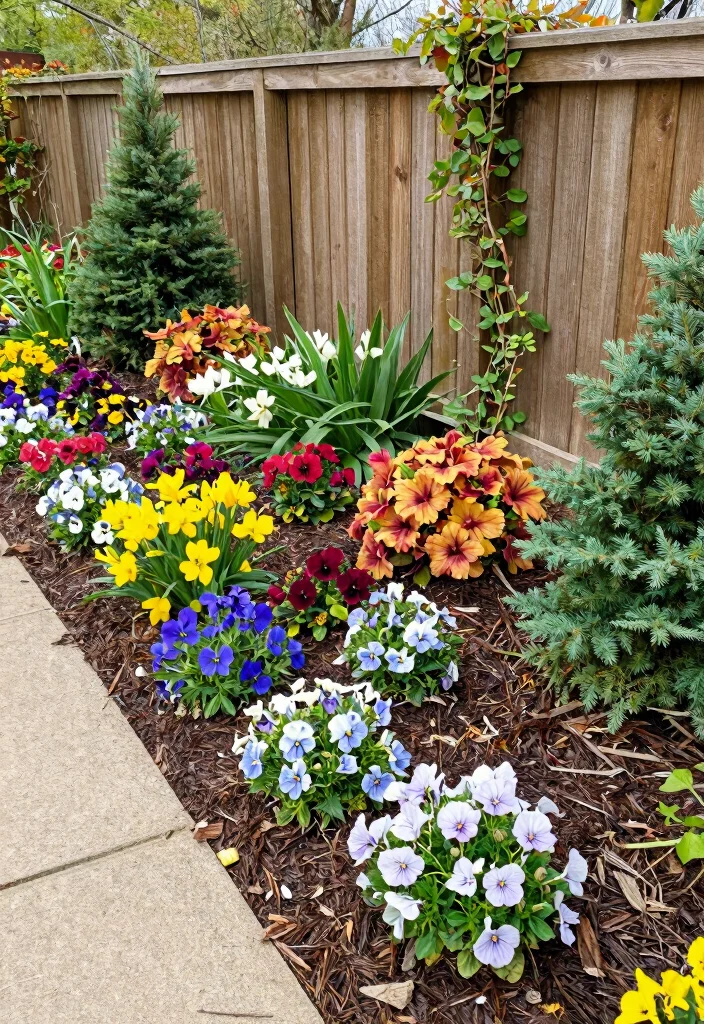
Incorporating seasonal flower beds along your fence line offers continuous beauty and interest throughout the year. By planting a mix of spring bulbs, summer annuals, fall perennials, and winter-friendly plants, you create a dynamic landscape that evolves with the seasons. This method enhances privacy while allowing for visual changes as the year progresses.
Raised beds help manage soil quality and drainage for each type of plant, leading to a more organized appearance.
Here are tips for managing seasonal flower beds:
– Plan your planting schedule around blooming times.
– Use mulch to protect against winter frost.
– Incorporate evergreens for winter color.
Creating seasonal flower beds ensures your fence line remains vibrant and full of life throughout the year.
16. Container Gardens for Flexibility and Mobility
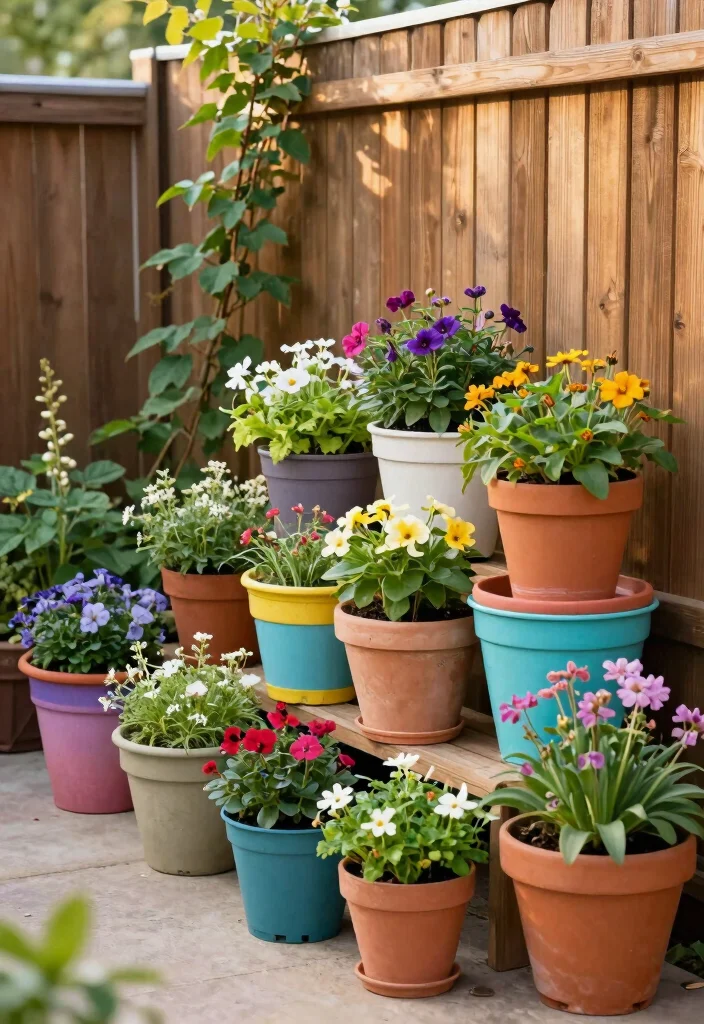
Container gardens provide an excellent solution for homeowners seeking flexibility along their fence line. With various sizes and types of containers, you can easily rearrange your plants to suit your style. This approach allows for experimentation with different flowers while maintaining the ability to change your garden’s layout.
Using containers also opens up opportunities for vertical gardening by stacking pots or using wall-mounted planters, optimizing your space effectively. Brightly colored pots can add a vibrant touch, or you can choose neutral tones for a cohesive look.
Some tips for successful container gardening include:
– Ensure proper drainage to keep roots healthy.
– Group containers by sunlight needs for optimal growth.
– Consider self-watering options for convenience.
With container gardens, you can create a unique, manageable fence-line garden that adapts to your needs.
Conclusion
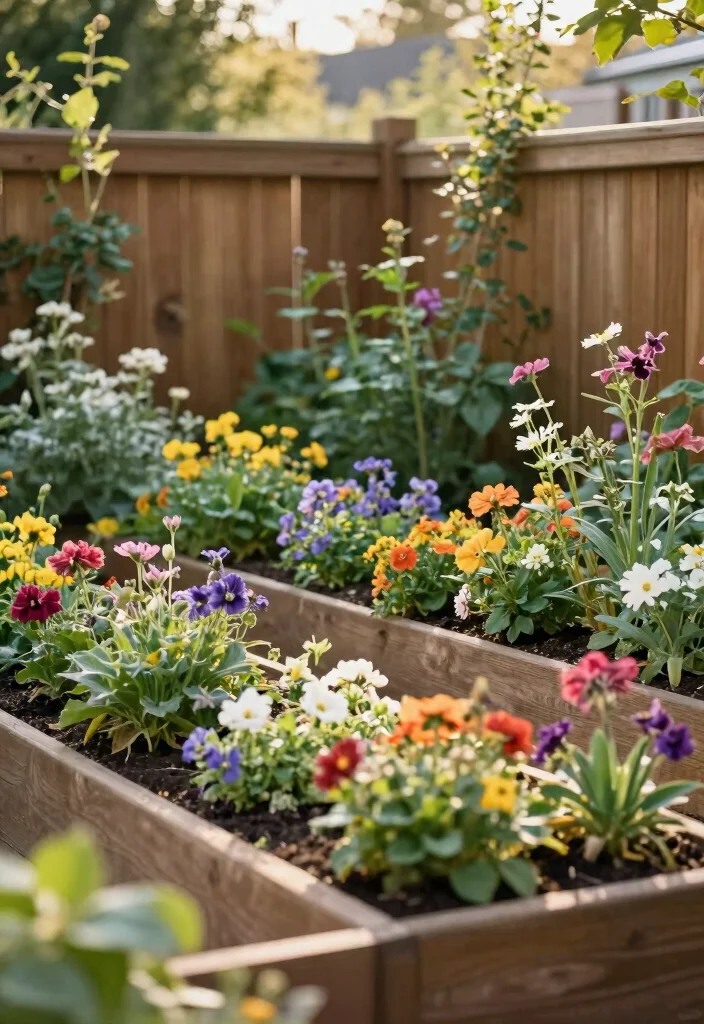
Elevating your backyard privacy with raised flower beds along your fence can transform your outdoor space into a personal oasis. With the right designs and plant selections, you can create a beautiful and functional garden that reflects your style while providing seclusion from the outside world.
No matter your preferences—be it vibrant colors, minimalist arrangements, or edible blooms—there’s a solution that can enhance your privacy while adding charm to your home. So, gather your gardening tools and get started on crafting your dream fence-line garden!
Frequently Asked Questions
What are the best plant and design choices for 16 raised beds along a fence line to maximize privacy?
To maximize privacy with 16 raised beds along a fence line, combine tall evergreens, fast-growing climbers, and dense shrubs.
In raised flower beds along fence, place tall evergreens or bamboo screen at the back, add mid-height shrubs, and use vertical gardening ideas like trellises or freestanding obelisks for vines.
Make sure each bed is about 2–3 feet wide to allow access and sun; orient beds to face the sun and leave at least 2 feet of walking space.
Use well-draining soil, mulch, and compost to keep plants vigorous without constant watering.
With smart layout and vines, you’ll achieve natural fence-line privacy without losing style.
How can I design raised garden bed layouts that fit a fence-line and still allow access and mowing?
Design with accessibility in mind: keep beds around 2 ft deep for reach from both sides, and leave 2 ft aisles for mowing.
Use raised garden bed designs that are modular so you can reconfigure as the fence matures.
Place taller plantings at the back and climbers on the fence or a lightweight trellis, leaving the front open for fence line garden ideas to stay tidy.
Choose durable materials like cedar or composite that resist weather and still look polished.
Add drip irrigation to reduce water use and maintenance.
What are affordable backyard privacy solutions using raised beds along a fence?
Go budget-friendly by using repurposed materials such as cedar fence slats, cinder blocks, or repurposed pallets to build low-profile raised beds.
Combine 16 beds with layered heights to create a layered privacy screen; attach vines to trellises on the fence.
Use backyard privacy solutions that blend with raised beds along fence for unity.
Plant fast-growing climbers like ivy, honeysuckle, or clematis that can cover trellises in a season.
Use a simple drip irrigation kit to save water and reduce maintenance. With careful planning, you can achieve a lush privacy screen without breaking the bank.
Which plants work best for vertical gardening along a fence to complement raised beds and boost privacy?
Choose a mix of evergreen climbers, flowering vines, and sturdy perennials for vertical gardening along fence.
Examples: climbing roses, clematis, ivy, or honeysuckle for year-round privacy; grasses or bamboo at the base for texture; herbs or flowering perennials in front to keep things tidy.
Use vertical gardening ideas such as lattice panels, arbor supports, or freestanding trellises that pair with your fence line garden ideas.
Ensure sun and water needs align with bed design for a practical, beautiful privacy screen.
What maintenance tips keep 16 raised beds along the fence looking tidy and productive year-round?
Treat your fence-line garden like a small landscape. Prune climbers and shrubs regularly to maintain height, refresh mulch to a 2–3 inch layer, and run a simple drip system for efficient watering.
Do seasonal soil checks and top up with compost.
Weed consistently to reduce competition, inspect trellises and beds for wobble and repair as needed, and protect sensitive perennials in winter.
Following these outdoor landscaping tips helps preserve backyard privacy solutions and keeps the 16 raised beds area neat year-round.
Related Topics
home decor
raised garden beds
fence line privacy
backyard landscaping
vertical garden solutions
DIY garden projects
easy gardening
outdoor privacy ideas
garden bed designs
homeowners tips
seasonal gardening
beginner friendly