
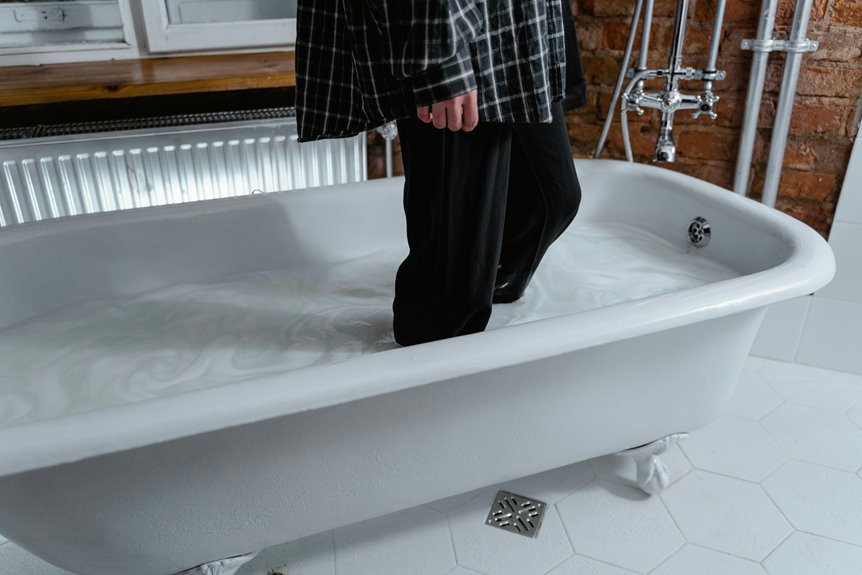

Bathtub reglazing is worth your money if your tub’s structure is solid but worn.
You’ll spend $800–$1,000 instead of $2,000–$5,000+ for replacement, and you’re done in one day instead of weeks.
The finish typically lasts 5–10 years with proper care. Use mild soap and soft cloths to maintain it.
Reglazing eliminates demolition mess, saves time, and delivers a showroom-quality finish quickly.
Whether it’s the right choice for your situation depends on your specific needs and tub condition.
What Is Bathtub Reglazing and How Does It Work?
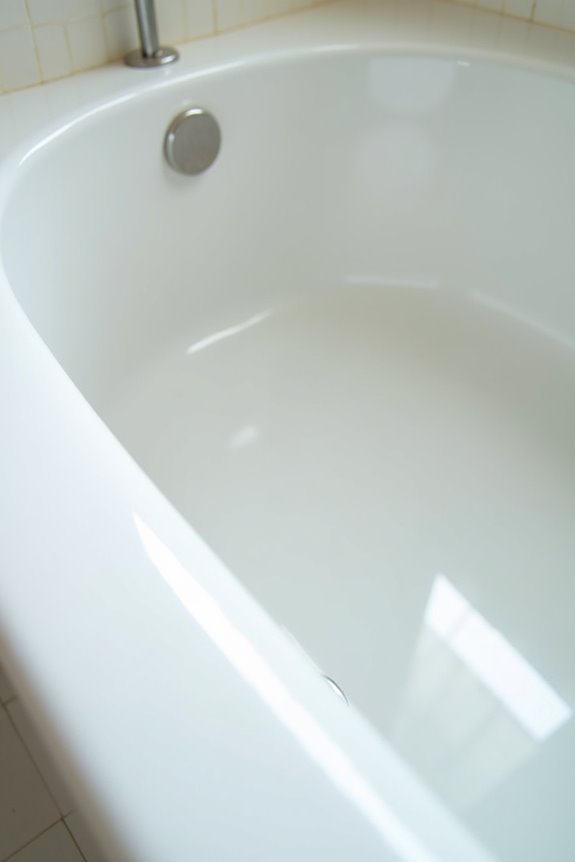
Bathtub reglazing, also called resurfacing or refinishing, is a process that gives your tired tub a fresh new look without ripping it out and starting over. Professionals sand your tub’s surface, fill any cracks, apply a primer, then coat it with a durable topcoat. The whole job typically takes one day, and you’ll need to wait 24 to 48 hours before using it again.
This approach works best for tubs that are structurally sound but show signs of wear like rust, scratches, or dull finishes. Whether you have an antique cast iron tub or a modern acrylic one, reglazing can restore it beautifully. You can choose from over 5,000 color options to match your bathroom design, and when maintained properly, that fresh finish lasts several years.

【TUB & TILE REFINISHING KIT】 Our tub and tile paint boasts an advanced acrylic formula designed for durability and longevity. The high-quality acrylic resin ensures a strong, resistant finish that combats flaking and wear, providing a lasting transformation for your tiles. This tub and tile paint is engineered to deliver professional-looking results.

TUB & TILE REFINISHING KIT: Renews ceramic tile, porcelain, fiberglass, acrylic, cast iron, and steel tubs and sinks without costly replacement.

【Complete Tub and Tile Refinishing Solution】 Our all-inclusive tub and tile refinishing kit offers everything necessary for a seamless renovation. Whether you're a DIY hobbyist or a professional, this kit simplifies the process with user-friendly tools and clear instructions, making it ideal for both residential and commercial spaces.
Does Reglazing Really Save Money vs. Buying New?
When you’re staring at a dingy, worn-out tub, one question pops into your head: should I reglaze it or just buy a new one?
The answer depends on your budget and timeline. Tub refinishing costs a few hundred dollars, while replacement runs thousands when you factor in demolition, plumbing, and wall repairs. However, industrial refinishing materials sometimes cost more than high-quality DIY replacements.
| Cost Factor | Reglazing | Full Replacement |
|---|---|---|
| Base price | $300–$500 | $2,000–$5,000+ |
| Timeline | Hours to 1 day | Several days to weeks |
| Durability | 5–10+ years | 20–30+ years |
| Hidden costs | Minimal | Demolition, plumbing, tile |
| Downtime | Shortest | Longest |
Reglazing delivers quick results with minimal disruption. A new tub lasts significantly longer, typically 20 to 30 years compared to 5 to 10 years for a refinished surface.

SAVE THOUSANDS VS. REPLACEMENT – Refinish a worn, stained, or scratched bathtub, tile, sink, or shower in a weekend for a fraction of the cost of a new tub — a professional-grade DIY finish with no contractor required.

TUB & TILE REFINISHING KIT: Renews ceramic tile, porcelain, fiberglass, acrylic, cast iron, and steel tubs and sinks without costly replacement.

TUB & TILE REFINISHING: Renews the appearance of tubs, sinks, showers, and ceramic tile with a smooth, glossy finish.
When Reglazing Makes Sense (and When It Doesn’t)
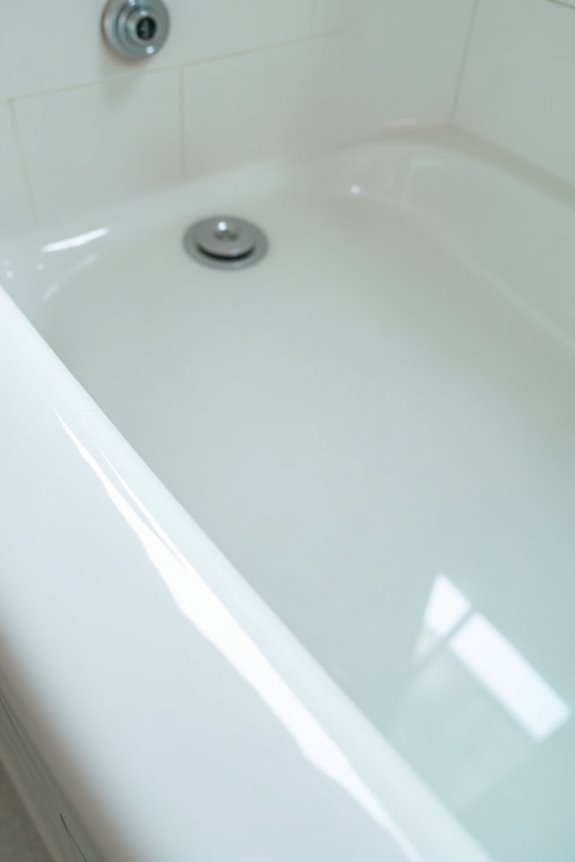
So, how do you know if your tub’s a good candidate for reglazing?
Reglaze if your tub has a solid structure but shows minor wear, rust, or stains. You’re looking at a one-day project that costs significantly less than replacement. Skip reglazing if you notice extensive cracks, water damage behind the walls, or broken tiles. Those problems need liner installation or full replacement instead.
For claw-foot or acrylic tubs without major issues, reglazing delivers strong value. Results vary depending on application quality and material used. Some finishes last 5–10+ years with proper care, while others scratch or fade faster in high-traffic bathrooms. Consider your lifestyle and how hard you’ll be on the surface. This determines whether reglazing is a practical choice for your situation.

Instantly Restore Glossy White Tubs Like New: Flawlessly cover ugly chips, cracks, holes, scratches, dents, peel and rust with a smooth glossy white finish that blends into tubs, sinks, showers and tile surfaces for seamless-looking repairs
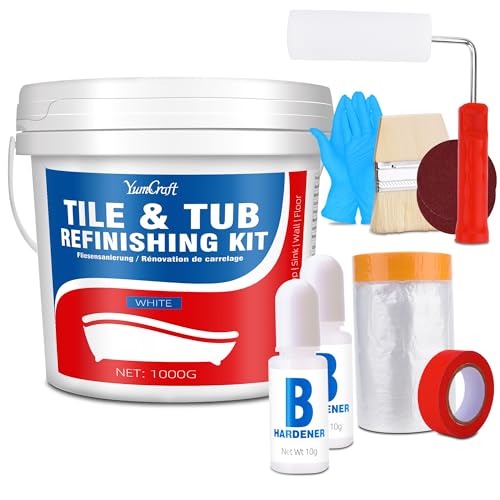
😽Durable & Long-Lasting: The tub and tile refinishing kit is made of high-quality water-based acrylic material, forming a sturdy surface that is resistant to peeling, wear, cracking, and fragmentation. Even in high humidity environments such as bathrooms, bathtub paint can maintain its appearance for a long time and extend the surface life.

TUB & TILE REFINISHING KIT: Renews ceramic tile, porcelain, fiberglass, acrylic, cast iron, and steel tubs and sinks without costly replacement.
How Long Does a Reglazed Bathtub Actually Last?
Once you’ve decided reglazing makes sense for your tub, you’re probably wondering how long it will actually hold up. With proper care, your reglazed bathtub typically lasts 5 to 10+ years, which works for most households.
Maintenance practices significantly impact durability. Skip the abrasive scrubbers and harsh cleaners, as they wear down the coating faster. Instead, wipe away soap and shampoo residue regularly. This simple habit prevents buildup that causes premature wear.
Professional bathtub reglazing jobs often come with 10-year warranties. Quality work includes proper cleaning, repairs, priming, and coating. This multi-step process directly improves longevity and performance.
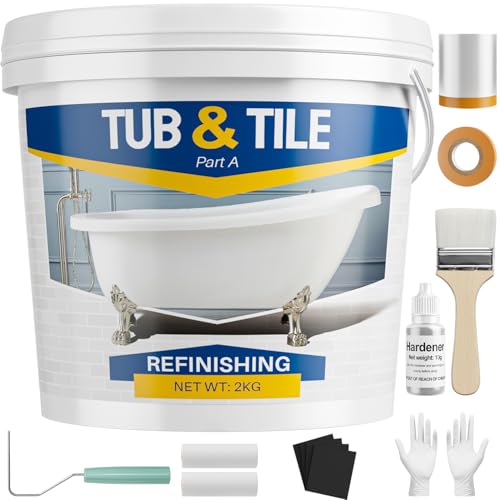
Complete Bathtub Refinishing Kit: Whether you're a beginner or a professional, our tile paint and tub paint is perfect for you. You'll receive a practical package containing: User Manual x 1, Composite Emulsion (Component A) x 1, Hardener (Component B) x 1, Brush x 1, Masking Tape x 1, Masking Film x 1, Gloves x 1, Rollers x 2, Sandpaper x 4. This tile paint meets your daily needs and enhances your quality of life

TUB CAST ROLL ON PREP IS THE PROJECT: Tub Cast Roll On delivers best results when surfaces are meticulously prepared. All caulk and silicone residue must be removed, followed by thorough cleaning, sanding/deglossing, and final wipe per instructions. Scan the QR code and follow the full video walkthrough for consistent results

SMALL CHIP & SCRATCH REPAIR: Repairs minor chips, scratches, dents, and defects on tubs, sinks, toilets, and tile; not for refinishing an entire surface.
Real-World Durability: What Happens After 5+ Years
Your reglazed bathtub’s finish can stay looking great for over five years if you treat it right, though you’ll likely notice a blemish or scratch or two by year five or six. Most wear appears as small, localized spots rather than widespread peeling, which shows the coating holds up well with everyday use.
Bathtub reglazing durability depends on these factors: gentle cleaning with a soft rag and mild soap makes a real difference. Avoid abrasive scrubbers and harsh chemicals, as they speed up wear. The ten-year warranty from your resurfacing company covers defects, but actual performance depends on your maintenance habits and how much moisture exposure the tub gets.
With proper care, you can expect solid durability beyond the five-year mark.

Wide Application - This touch up paint pen adheres to a wide range of surfaces, including tile, tub, bathtub, sink, enamel, porcelain and refrigerators. It allows you to easily repair scratches, stains, chips, spots, yellowing, and other surface paint imperfections

Waterproof and very firm after curing - Fiberglass Repair Kit can be used to repair chips, scratches, dents, patch, worn, holes etc. Apply to fiberglass bathtub, acrylic bathtub, ceramic bathtub, enamel bathtub, cast iron bathtub, porcelain sink, ceramic tile, toilet, and cultured marble.

Super Strong Adhesion: After many tests and improvements, our porcelain repair kit has super adhesion and abrasion resistance, no matter the cracks or holes in the kitchen or bathroom, it can be easily covered, and it can be waterproof, long-lasting, and non-cracking after it is fully cured
The Reglazing Process: 7 Steps From Sanding to Drying
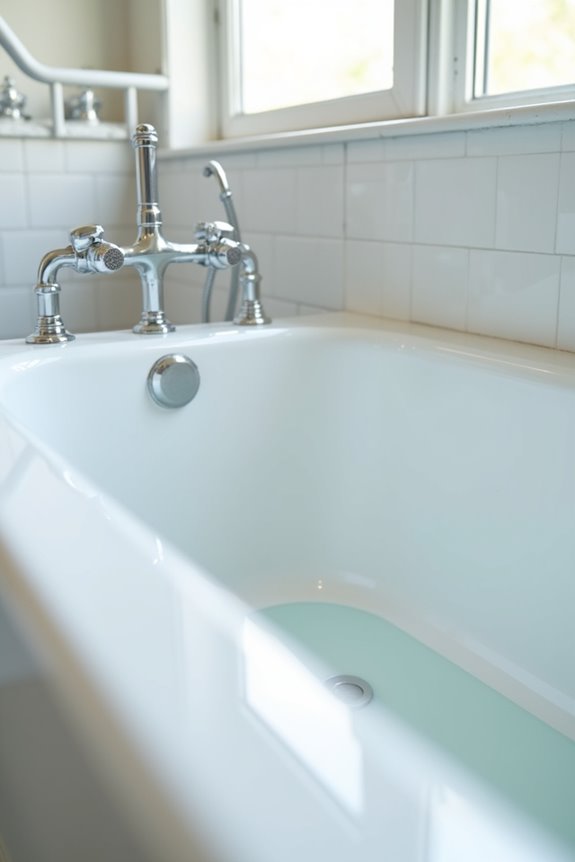
Now that you’ve seen how a reglazed bathtub holds up over time, let’s walk through exactly what happens during the refinishing process itself. The reglazing process involves two critical phases that transform your worn-out tub: getting the surface ready for coating and then applying the new finish while managing the drying time. Understanding these steps helps you know what to expect when professionals show up at your home and why the process takes the time it does.

【TUB & TILE REFINISHING KIT】 Our tub and tile paint boasts an advanced acrylic formula designed for durability and longevity. The high-quality acrylic resin ensures a strong, resistant finish that combats flaking and wear, providing a lasting transformation for your tiles. This tub and tile paint is engineered to deliver professional-looking results.
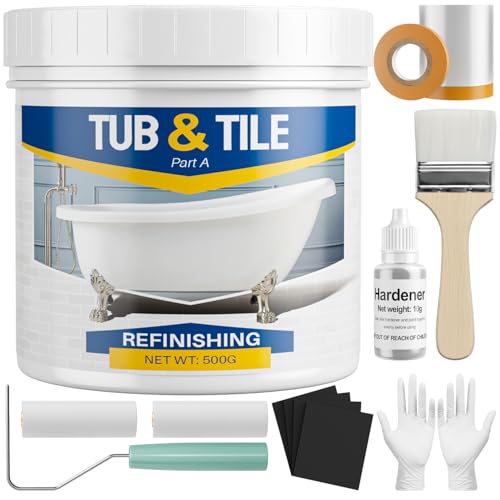
Complete Bathtub Refinishing Kit: Whether you're a beginner or a professional, our tile paint and tub paint is perfect for you. You'll receive a practical package containing: User Manual x 1, Composite Emulsion (Component A) x 1, Hardener (Component B) x 1, Brush x 1, Masking Tape x 1, Masking Film x 1, Gloves x 1, Rollers x 2, Sandpaper x 4. This tile paint meets your daily needs and enhances your quality of life
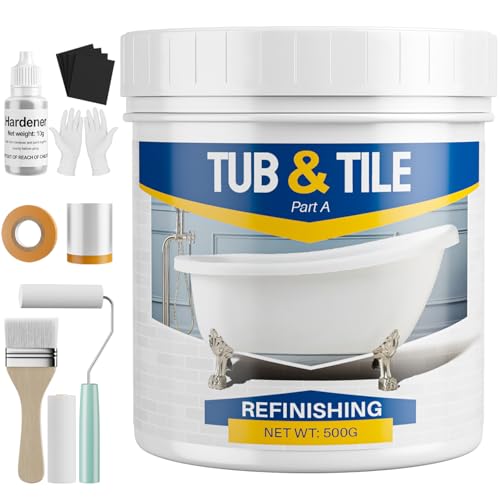
【Complete Tub and Tile Refinishing Solution】 Our all-inclusive tub paint for bathtub offers everything necessary for a seamless renovation. Whether you're a DIY hobbyist or a professional, this kit simplifies the process with user-friendly tools and clear instructions, making it ideal for both residential and commercial spaces.
Preparation and Surface Inspection
How does a bathtub go from worn and dingy to gleaming and new? It all starts with bathtub reglazing preparation. This guide walks through the critical first steps that set up your entire project for success.
Before any coating touches your tub, careful inspection and proper surface prep are necessary. Here’s what the process involves:
- Clean the tub thoroughly to remove soap scum, oils, and buildup
- Sand the surface to create texture for better coating adhesion
- Repair any visible cracks or chips before moving forward
This preparation phase is essential. Skipping steps here results in a finish that won’t last as long. Proper preparation now means your reglazing investment delivers years of durability and beauty.
Coating Application and Drying
Once your tub’s surface is clean, sanded, and any damage is patched, the actual reglazing work begins. I’ll apply a primer first, then the coating itself to give your tub its fresh, glossy look. During coating application and drying, proper ventilation is essential. I’ll open windows and run fans to manage the fumes and odors that come with the process. The coating dries to touch within 24 to 48 hours, though most jobs wrap up in a single day. This phase requires patience to ensure the smooth, durable finish you’re investing in. Once dry, I’ll give everything a final buff to restore that showroom shine.
Why Reglazed Tubs Peel, Scratch, and Stain: And How to Prevent It
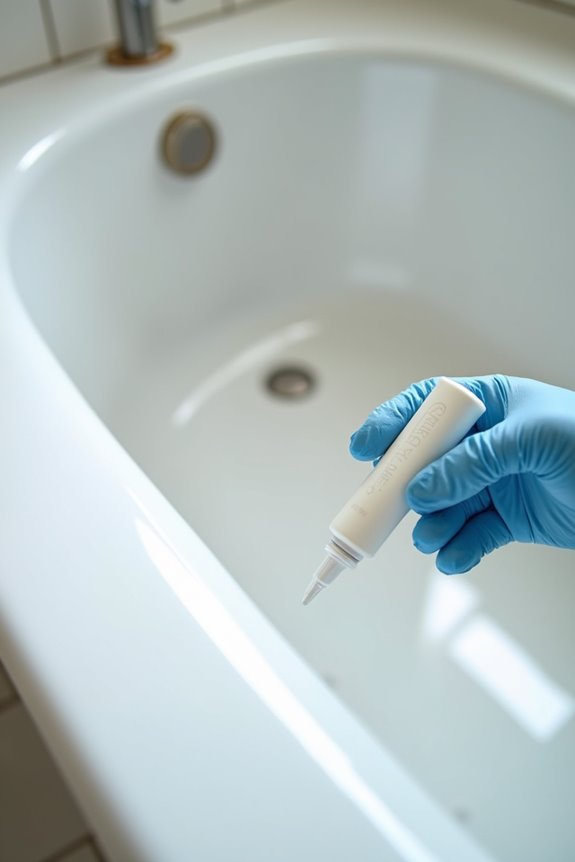
Even with professional reglazing, your new tub finish isn’t invincible. It can peel, scratch, and stain if you don’t treat it right. This guide explains why these problems happen and what you can do to stop them from ruining your investment. Most issues come down to how you clean and use your tub, which means you’ve got real control over how long that fresh finish lasts.

TOUGH 2-COAT EPOXY FINISH – Not ordinary tub paint, this bathtub refinishing kit uses a 2-coat, two-part epoxy system to create a thicker, tougher finish on tubs, tile, sinks, and showers. The cured surface is hard, glossy, and non-porous, with long-lasting durability that resists peeling, chipping, scuffing, and everyday wear.
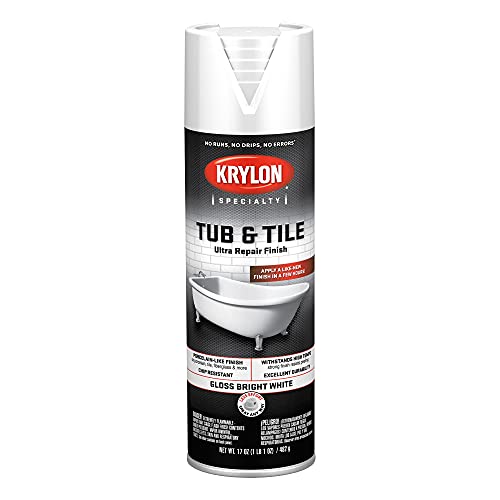
Porcelain-like finish

QUICK-DRY ESSENTIALS KIT – This kit includes 22 fl oz of coating materials (16 oz resin coating, 4 oz hardener, 2 oz primer), a non-slip additive, mixing container, and instructions. This is a coating materials kit only — application tools and surface prep supplies are sold separately.
Common Peeling And Causes
One of the biggest complaints I hear about reglazed bathtubs is peeling, and it’s usually preventable. Peeling happens when the foundation isn’t right from the start.
- Poor surface preparation, like inadequate cleaning or existing damage, prevents the new coating from sticking properly
- Moisture problems during refinishing create bond failure and cause peeling to start early
- Harsh cleaners and abrasive scrubbing wear down your topcoat faster after the work’s done
You can avoid most peeling by understanding these causes. When you know what goes wrong, you’re better equipped to protect your investment and maintain the finish’s durability.
Preventing Scratches During Use
How you clean your reglazed tub makes all the difference in keeping that shiny finish looking new. Ditching abrasive cleaners and scrubbing pads is essential. Instead, use mild dish soap with a soft cloth. This simple swap protects your reglazing investment from unnecessary wear and scratching.
Rinse the tub thoroughly after each use to prevent soap residue buildup. Leftover shampoo and soap create spots that look like stains. Avoid steel wool and rough sponges entirely.
Gentle cleaning methods preserve your reglazed tub longer. Small daily habits compound into extended durability over time.
Stain Resistance And Maintenance
Why do some reglazed tubs stay gorgeous while others start looking dull and stained within months? Bathtub reglazing maintenance makes all the difference. Your reglazed tub’s longevity depends on how you care for it.
To protect your investment:
- Wipe down the tub with mild soap and water after each use to prevent soap scum buildup
- Avoid abrasive cleaners and scrubbing pads that scratch the glaze and expose underlying material
- Skip acidic or alkaline detergents that etch the surface and reduce stain resistance
Even with a warranty, improper cleaning leads to premature peeling. Use only non-abrasive tools and gentle products. Routine maintenance takes just minutes but preserves that fresh finish for years.
Daily Care Rules That Keep Your Reglaze Looking New
Your newly reglazed tub won’t stay shiny and pristine on its own. You need to put in effort to protect your investment. Reglazing maintenance is straightforward when you follow daily care rules.
Use only mild dish soap and a soft rag when cleaning. Skip abrasive scrubbers that scratch the finish. After each use, rinse thoroughly and dry the tub with a clean cloth to prevent soap residue buildup that dulls your glaze.
Protect your reglazed tub with mild soap and soft rags—skip abrasive scrubbers. Always rinse and dry thoroughly to prevent dulling.
Clean spills immediately, especially acidic or abrasive substances like vinegar or bathroom cleaners. These cause etching and stains quickly. Keep your bathroom well-ventilated during cleaning to reduce moisture that can damage the coating.
Schedule periodic touch-ups with your contractor as recommended. These simple habits extend the life and appearance of your reglazed tub.

TUB & TILE REFINISHING KIT: Renews ceramic tile, porcelain, fiberglass, acrylic, cast iron, and steel tubs and sinks without costly replacement.

【Low Odor & Indoor-Friendly】This water-based, low-VOC bathtub paint is designed for a more comfortable indoor application experience. It emits minimal odor and fewer harsh fumes during use, making it suitable for bathrooms, kitchens, and other living spaces. A practical choice for households with children, pets, or those sensitive to strong smells
Reglazing, Liners, or New Tub: Which Fits Your Bathroom and Budget?
When it’s time to refresh your bathroom, you’ve got three main paths forward: reglazing, installing a liner, or replacing the tub entirely.
- Reglazing – The budget-friendly choice that takes one day, perfect if your tub’s in decent shape with only minor wear
- Liners – A middle option that covers problems in 1–2 days but offers less customization flexibility
- New tub – The most expensive route requiring weeks and thousands of dollars, but giving you complete control
Your choice depends on how bad your tub looks, what changes you want, how quickly you need it done, and what you can spend. Reglazing gives you a quick, affordable refresh. Liners and replacement tubs handle bigger damage but cost more.
How Much Should You Budget for Professional Reglazing?
Professional bathtub reglazing typically costs $800 to $1,000 for a quality job with a solid warranty, which is significantly less than the thousands required for complete tub replacement. The final price depends on factors including coating materials, your location, and the condition of your tub. Obtaining multiple quotes and comparing warranty coverage is essential before making your decision.

Versatile Fiberglass Repair Kit: The ceramic tile repair kit is waterproof and sturdy after curing, suitable for various materials such as enamel, fiberglass, porcelain, and acrylic. Tile repair kit is an ideal choice for quickly and easily repairing sinks, bathtubs, tiles, and other surfaces that are prone to scratches, dents and wear

Product includes: 1 roll of waterproof, cuttable white bathroom hole repair patches. Size: 7.87 x 60 inches.

Waterproof and very firm after curing, Fiberglass Repair Kit can be used to repair chips, scratches, dents, patch, worn, holes etc. Apply to fiberglass bathtub, acrylic bathtub, ceramic bathtub, enamel bathtub, cast iron bathtub, porcelain sink, ceramic tile, toilet, and cultured marble.
Typical Cost Range Breakdown
How much does professional bathtub reglazing actually cost? Bathtub reglazing cost typically hovers around $800 for a complete project. This price includes both materials and labor, making it surprisingly affordable compared to replacement options.
What you’re paying for:
- Professional materials that create a durable, long-lasting finish
- Skilled labor to properly prepare and apply the new coating
- A ten-year warranty protecting your investment
The real savings come from avoiding expensive demolition, plumbing work, and tile replacement. Those jobs alone can cost thousands. Since professionals handle everything in one project, you receive quality results and protection for your investment. When you budget for reglazing, you’re choosing the most cost-effective option available.
Factors Affecting Total Price
Several things influence what you’ll actually pay for bathtub reglazing, and they’re worth understanding before you call a contractor. Your tub’s material, size, and condition all matter significantly. If you’ve got chips, cracks, or rust spots, expect to add $100–$400 for necessary repairs. The coating choice affects reglazing cost too. Basic finishes run cheaper, while marine-grade or epoxy options cost more but last longer. Your location impacts pricing since labor rates vary by region. Contractor warranties also play a role; those offering 5–10 year coverage typically charge more upfront but provide longer-lasting protection and reduced likelihood of needing repairs within that timeframe. Getting multiple quotes helps you compare what different professionals charge for similar work in your area.
Comparing Budget vs. Replacement
Now that you understand what affects your reglazing price, let’s look at the bigger picture: should you reglaze your tub or replace it entirely?
The reglazing cost difference is striking. Consider these three key comparisons:
- Upfront expenses: Reglazing runs $800–$1,200 versus replacement at $3,000–$10,000
- Time investment: Reglazing takes one day; replacement spans several days to weeks
- Hidden costs: Replacement requires demolition, disposal, new tiles, and potential plumbing work
If your tub’s bones are solid with only surface wear, reglazing makes sense financially. You’ll save thousands and get your bathroom back quickly. However, if you’re planning to stay long-term and want a permanent solution, replacement might justify the higher investment. Consider your timeline and budget comfort level before deciding.
Why Reglazing Cuts Waste and Saves You Weeks vs. Replacement
When you’re deciding between reglazing and replacing your bathtub, time and waste become two of your biggest concerns. Reglazing waste reduction makes a real difference. A replacement project stretches across weeks with demolition, hauling away your old tub, and potential wall repairs. Reglazing takes just one day, start to finish. Your bathroom is ready to use again quickly instead of sitting empty for days.
Replacement means throwing away a heavy porcelain tub that will sit in a landfill for years. Reglazing keeps your existing tub in place, eliminating all that waste. You preserve what you have instead of creating a disposal problem. This approach saves you both time and reduces environmental impact.
Reglaze or Replace? The Final Verdict
So which option actually makes sense for your bathroom? Consider these key factors:
- Your tub’s condition – If you’ve got minor wear and good bones, reglazing works great. Deep cracks or water damage? You’ll need replacement instead.
- Your budget – Reglazing costs a few hundred to a thousand dollars. Replacement runs much higher, so reglazing saves significant money upfront.
- Your timeline – Reglazing finishes in one day. Replacement takes weeks with demolition and plumbing work.
Reglazing fits most situations where your tub’s basically sound. It lasts 5–10 years with proper care, keeping your space functional without major disruption. Many homeowners choose this option as a practical middle ground between doing nothing and full replacement.